Festival Traditions
Ramadan & Eid: Food Rhythms in Indian Muslim Homes
Iftar tables, regional night markets and Eid dishes across India's varied Muslim household cultures.
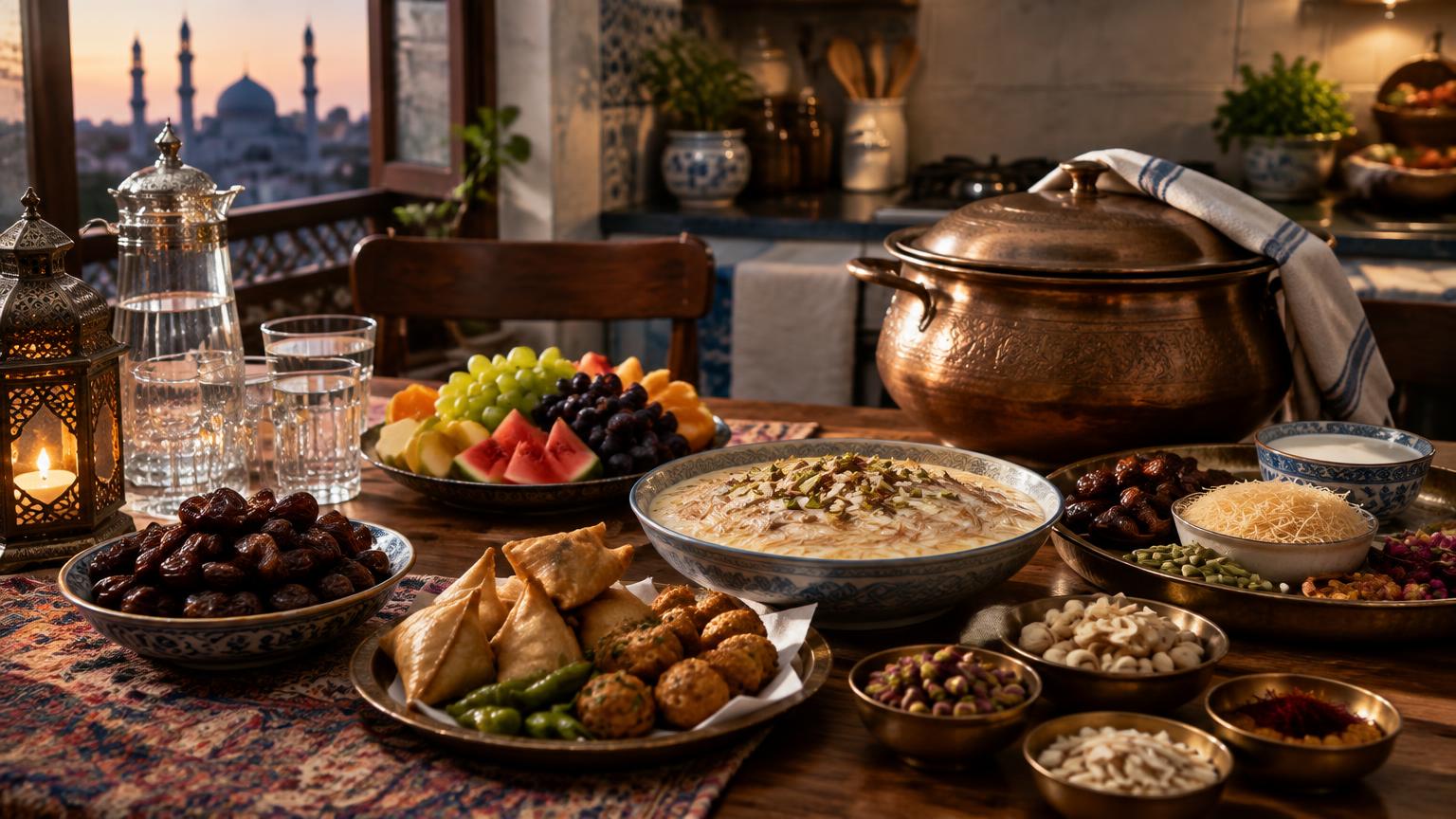
Ramadan is the Islamic lunar month commonly associated with fasting, prayer, reflection and charity; because the calendar is lunar, it moves through the seasons over time. Eid al-Fitr marks its close, with prayer, visiting, gifts and food common in many communities. Indian Muslim communities share this framework while their household cuisines remain regionally distinct.
Daily food rhythms change around suhoor, the pre-dawn meal, and iftar, the meal after sunset. Dates and water are widely used to open iftar, followed by foods shaped by local kitchens: fruit and chana, pakoras, haleem, rice dishes, breads or lighter home meals. These are cultural examples, not a recommended menu.
Eid tables differ from Hyderabad to Lucknow, Malabar, Kashmir, Bengal and the Deccan. Sheer khurma or seviyan, biryani, kebabs, pathiri, aleesa and many family dishes reflect trade, migration, language and local produce rather than one pan-Indian Muslim cuisine.
Household preparation includes stocking dates and grains, coordinating evening cooking, sharing iftar with neighbours and directing food or zakat toward others. The kitchen rhythm carries devotion and community care; it should not be reframed as a diet strategy.
What survives today includes neighbourhood iftars, night markets, office adaptations, home-cooked Eid breakfasts and dishes carried across generations and migration. Changing work schedules and health needs produce different forms of participation.
Fasting may not be suitable during pregnancy, for children, elderly or frail people, people with diabetes, people taking medication, or anyone with a relevant medical condition. Individual needs vary; seek medical guidance rather than following a festival fast by default. People who are unwell or medically vulnerable should seek appropriate religious and medical guidance; this article gives neither fasting instructions nor a prescribed meal pattern.
More from Festival Traditions
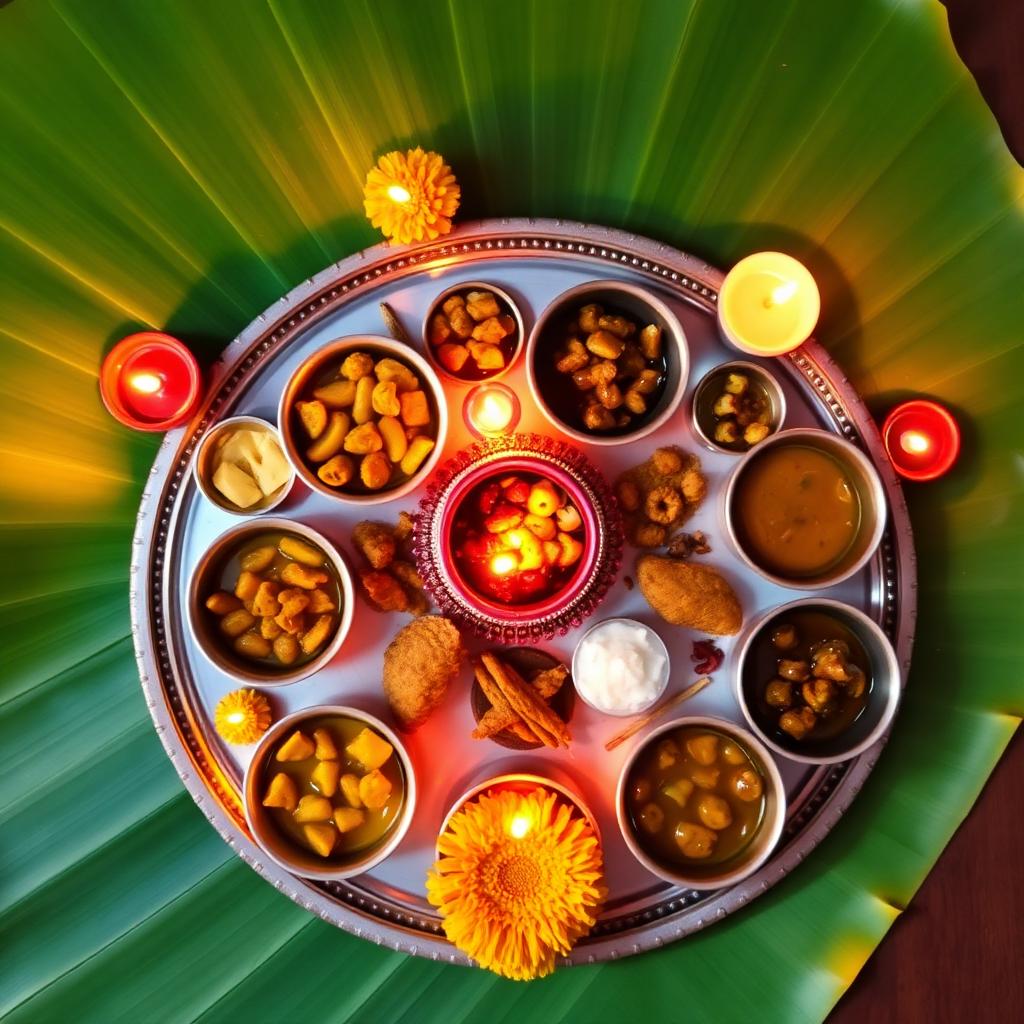
Diwali Foods: Light, Hospitality and the Autumn Kitchen
How sweets, savouries and shared trays mark Diwali across distinct Indian household traditions.
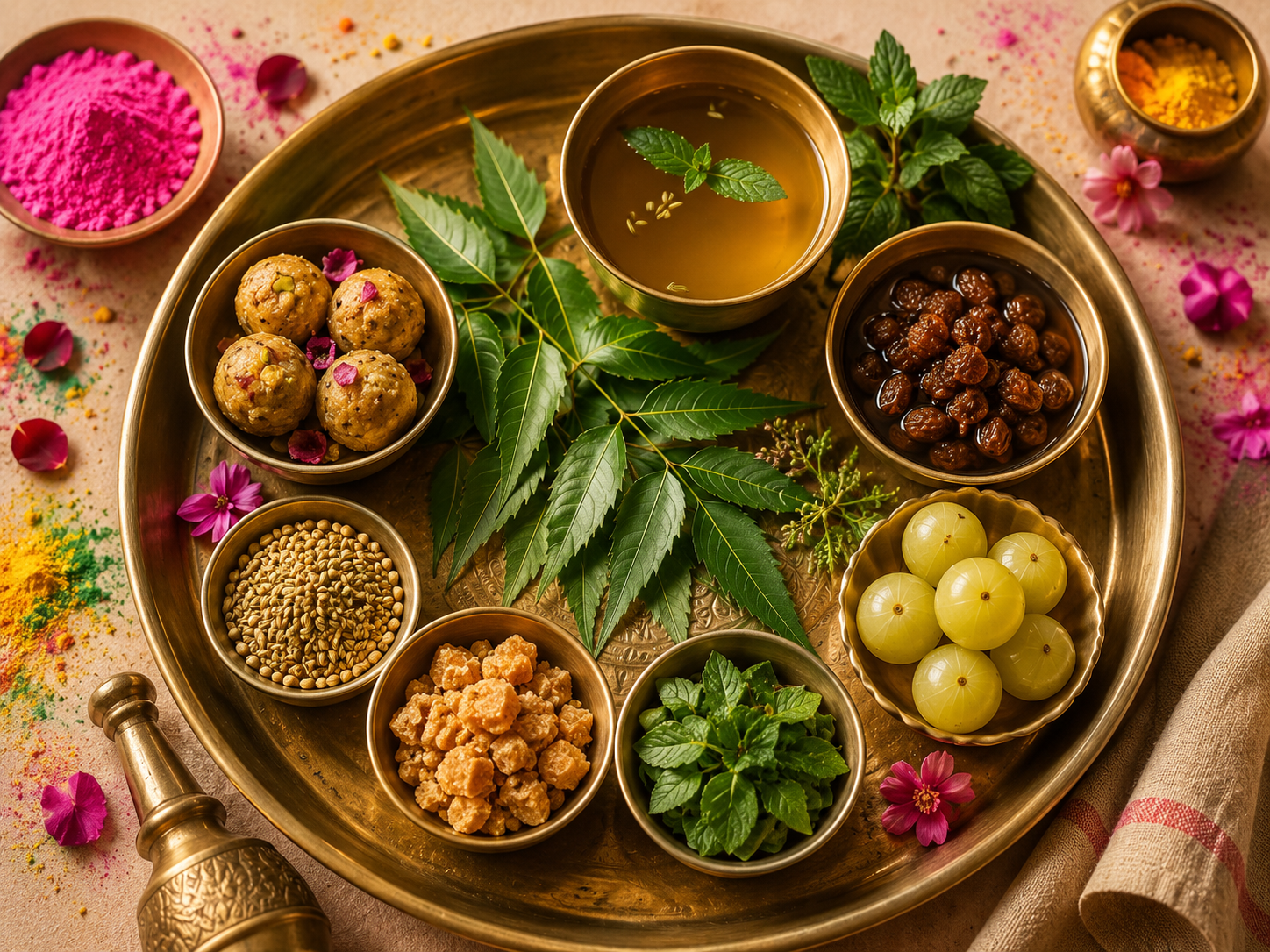
Holi, Spring Foods and the Changing Kitchen
Neem, kanji, gujiya and regional spring foods around a festival of colour and renewal.
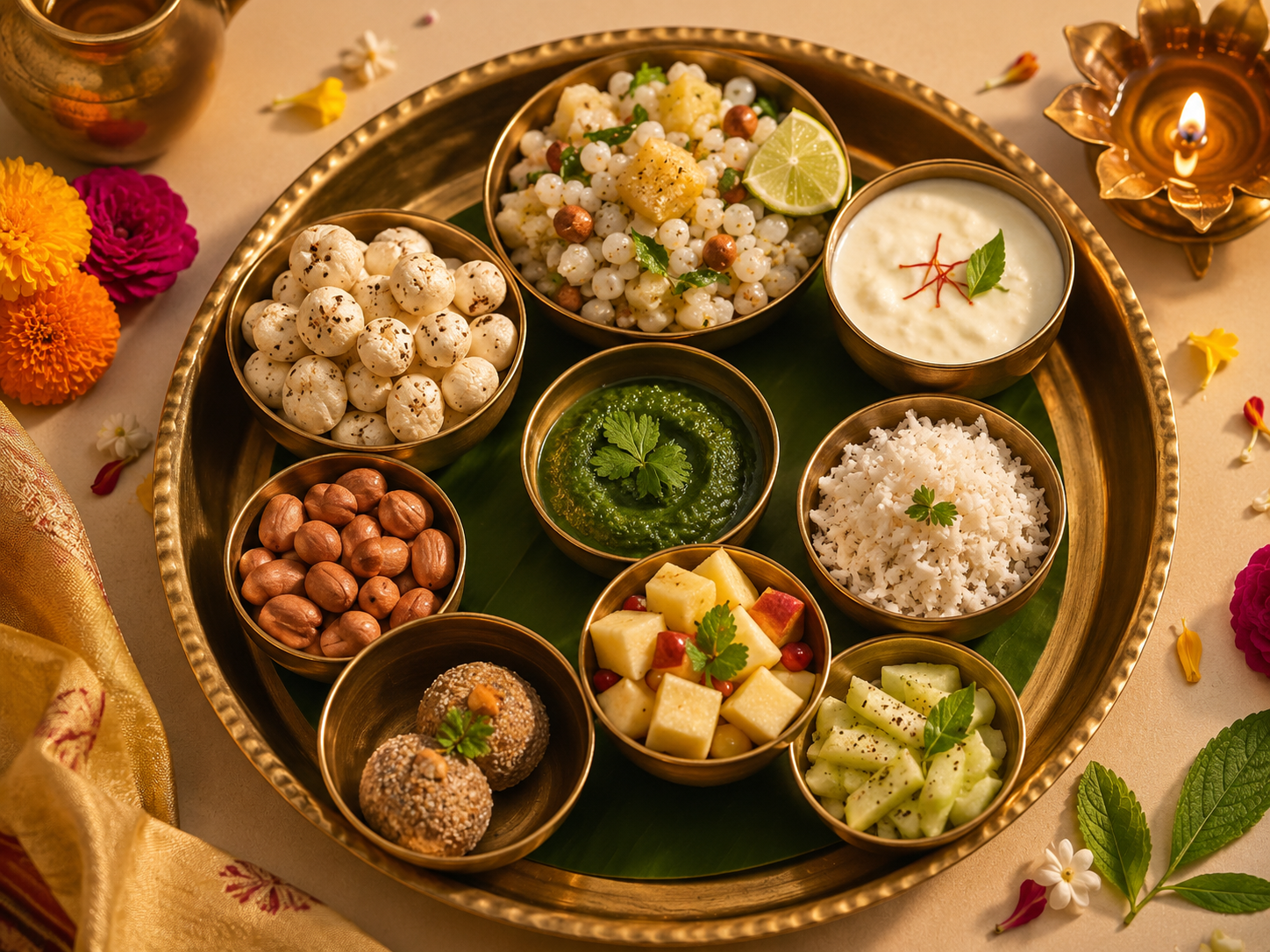
Navratri Food Traditions Across Indian Homes
How devotion, regional calendars and household fasting foods shape the nine nights without turning them into a health prescription.
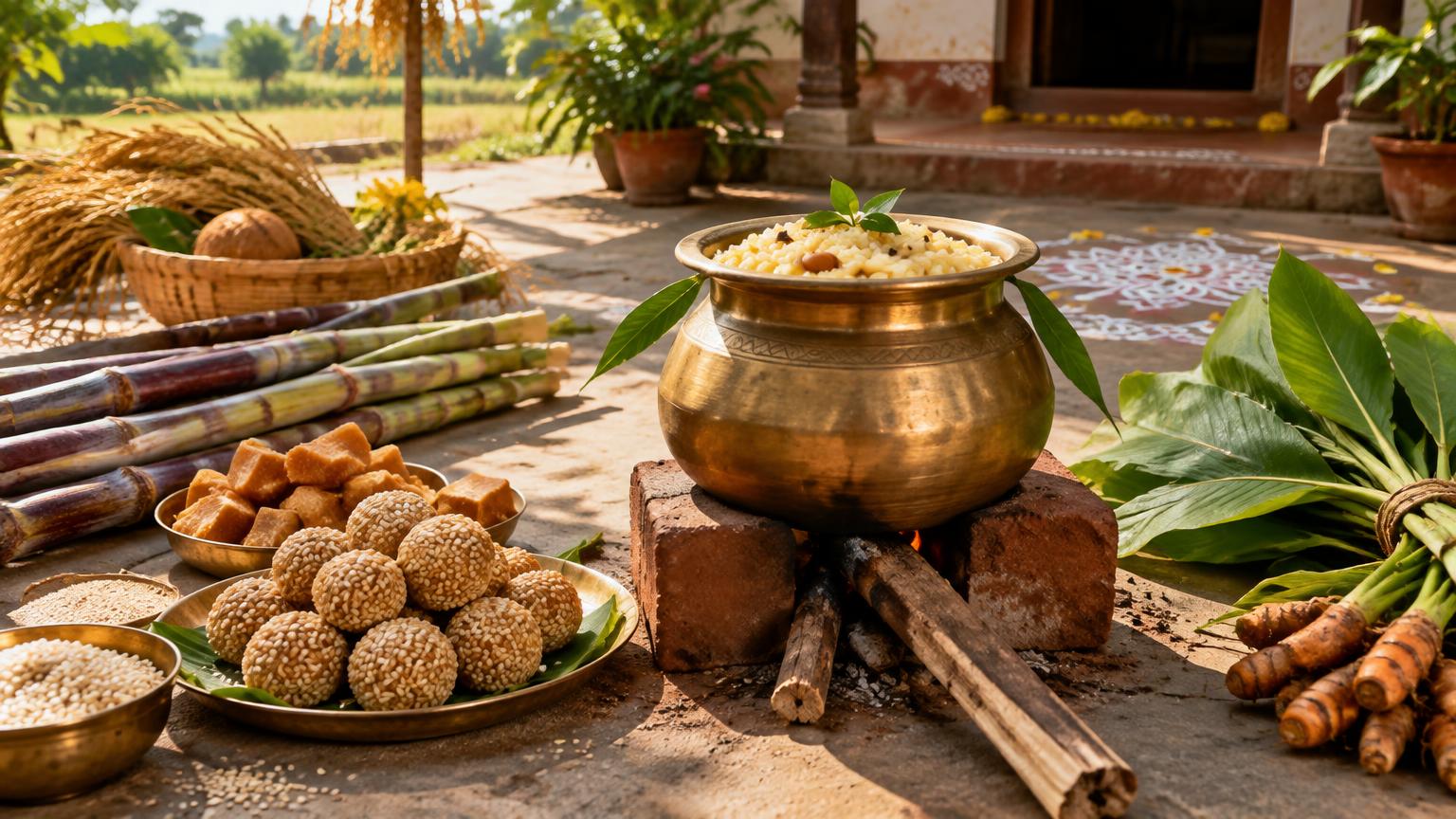
Makar Sankranti & Pongal: Many Harvests, Many Kitchens
Sesame and jaggery, newly harvested rice and sugarcane across distinct mid-January celebrations.
Continue exploring
Related on The Wisdom Jar
Ingredient
Cardamom
Aromatic green pod that refreshes breath and supports digestion.
Read moreIngredient
Milk
Nourishing whole food — best taken warm with spices, never with salty foods.
Read moreRemedy
Golden Milk for Winter Immunity
A warm, soothing nightly drink of turmeric, milk, and pepper to support immunity and rest.
Read moreRemedy
Ginger-Tulsi Decoction for Cough & Cold
A simple kitchen kadha that soothes scratchy throats and clears mild congestion.
Read moreDaily Wellness
Warm Water on Waking (Ushapan)
A simple, ancient cue that wakes digestion and gently flushes the system.
Read moreDaily Wellness
Tongue Scraping
Remove the overnight coating in 30 seconds — taste, breath and digestion improve.
Read more