Festival Traditions
Makar Sankranti & Pongal: Many Harvests, Many Kitchens
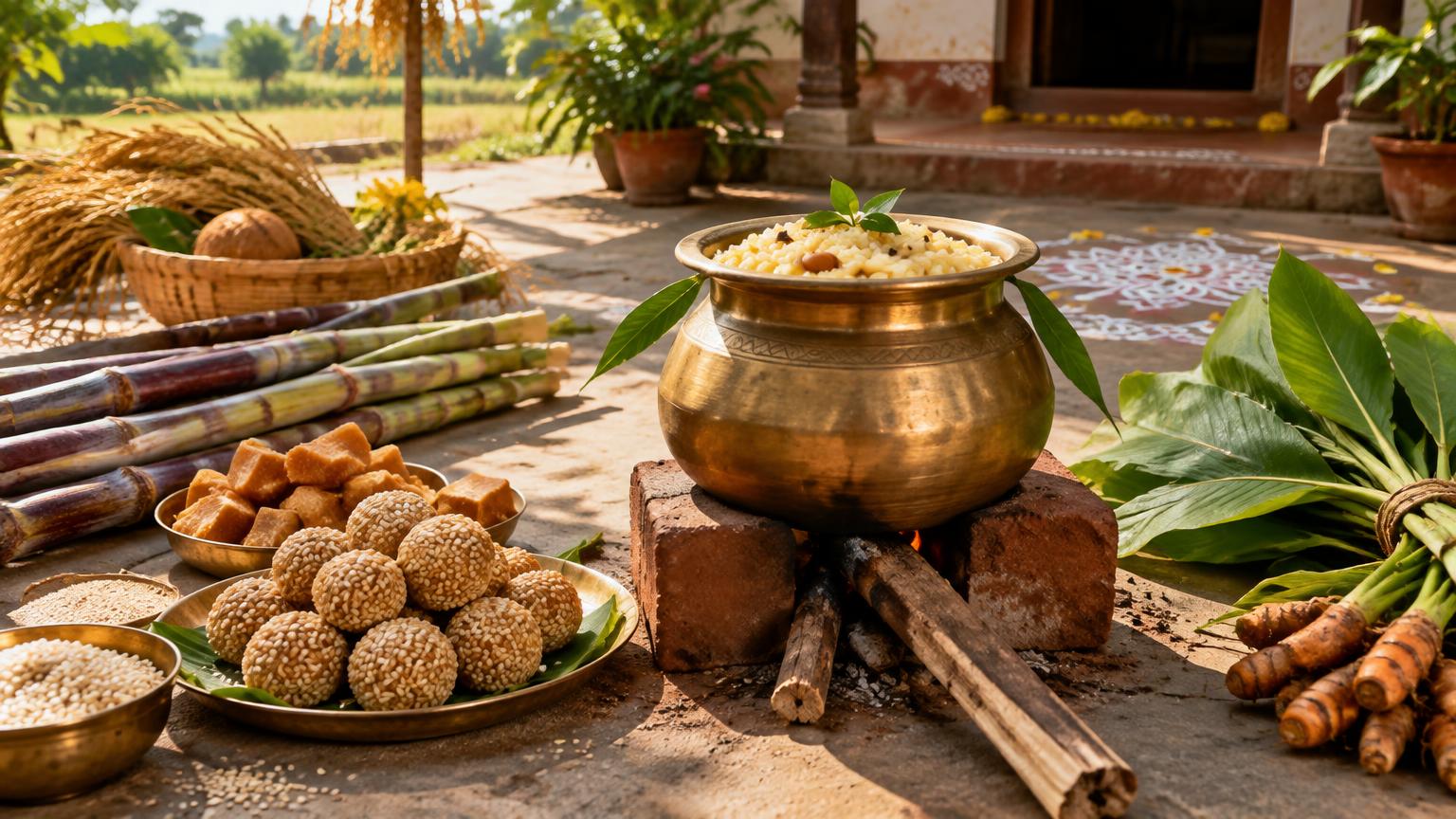
Sesame and jaggery, newly harvested rice and sugarcane across distinct mid-January celebrations.
Mid-January brings a cluster of harvest and solar-calendar festivals across India. Makar Sankranti commonly names the sun's transition into Makara in many regions; Pongal in Tamil Nadu is observed as a multi-day harvest festival with its own Tamil meanings and practices. Lohri in Punjab, Uttarayan in Gujarat and Magh Bihu in Assam are related by season, not interchangeable origin stories.
In many Tamil homes, newly harvested rice and milk cook together as pongal, often until the pot boils over in a gesture commonly associated with abundance. Sugarcane, turmeric plants and shared family meals locate the festival in agricultural life. Savoury ven pongal and sweet sakkarai pongal show how one grain can carry everyday and ceremonial roles.
Elsewhere, sesame and jaggery appear as tilgul, chikki, laddoos and pithas; khichdi names both a dish and the festival in parts of North India. These foods use winter stores and ingredients suited to gifting, travel and communal exchange.
Regional variation is the central story: kites in Gujarat, cattle-honouring traditions during Mattu Pongal, bonfires around Lohri, and rice foods around Magh Bihu reflect different local economies and social calendars. They should be read beside one another, not reduced to one national recipe.
What survives today includes family pongal pots, sesame sweets exchanged with neighbours, harvest markets and public celebrations far from farming communities. The foods carry memory and belonging; they are not medical necessities.
For winter's broader food context, see Hemanta and Shishira in Seasonal Customs; regional harvest kitchens are explored in Regional Wisdom.
More from Festival Traditions
Diwali Foods: Light, Hospitality and the Autumn Kitchen
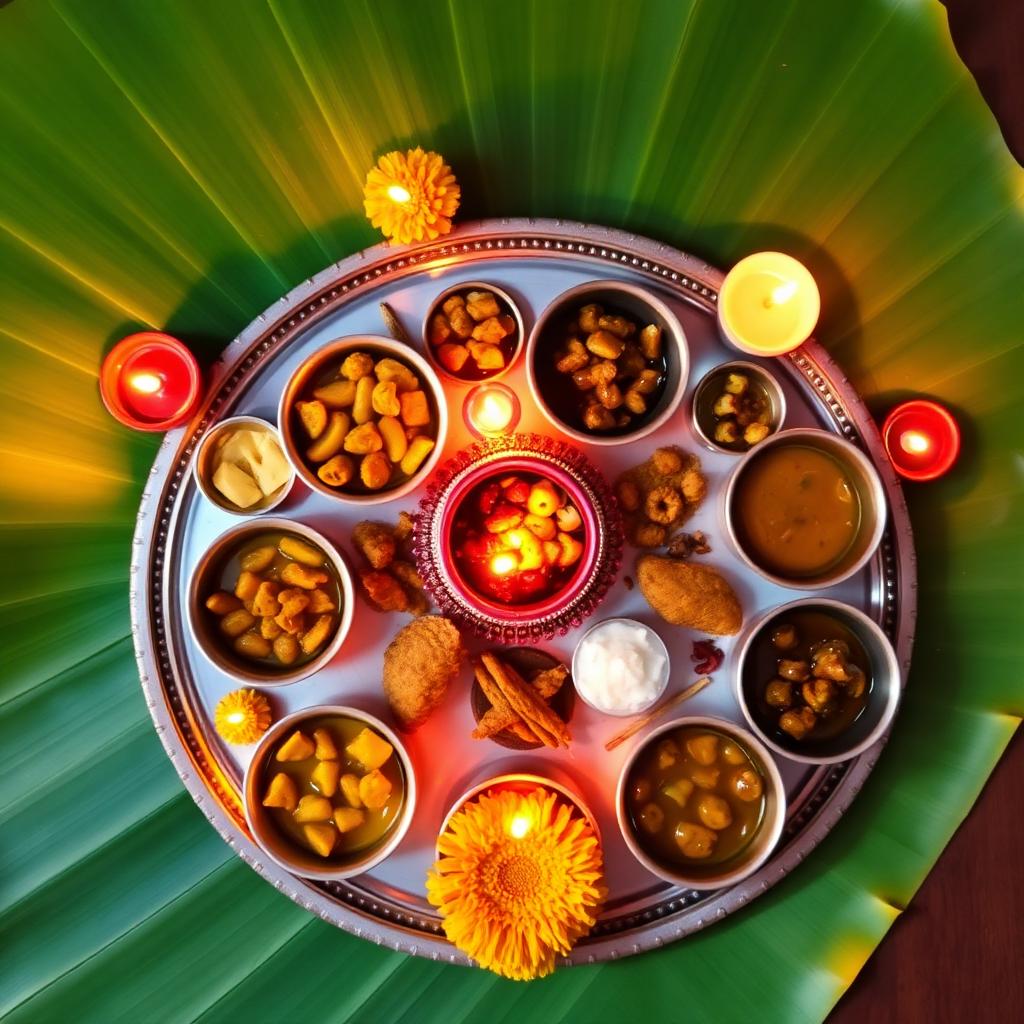
How sweets, savouries and shared trays mark Diwali across distinct Indian household traditions.
Holi, Spring Foods and the Changing Kitchen
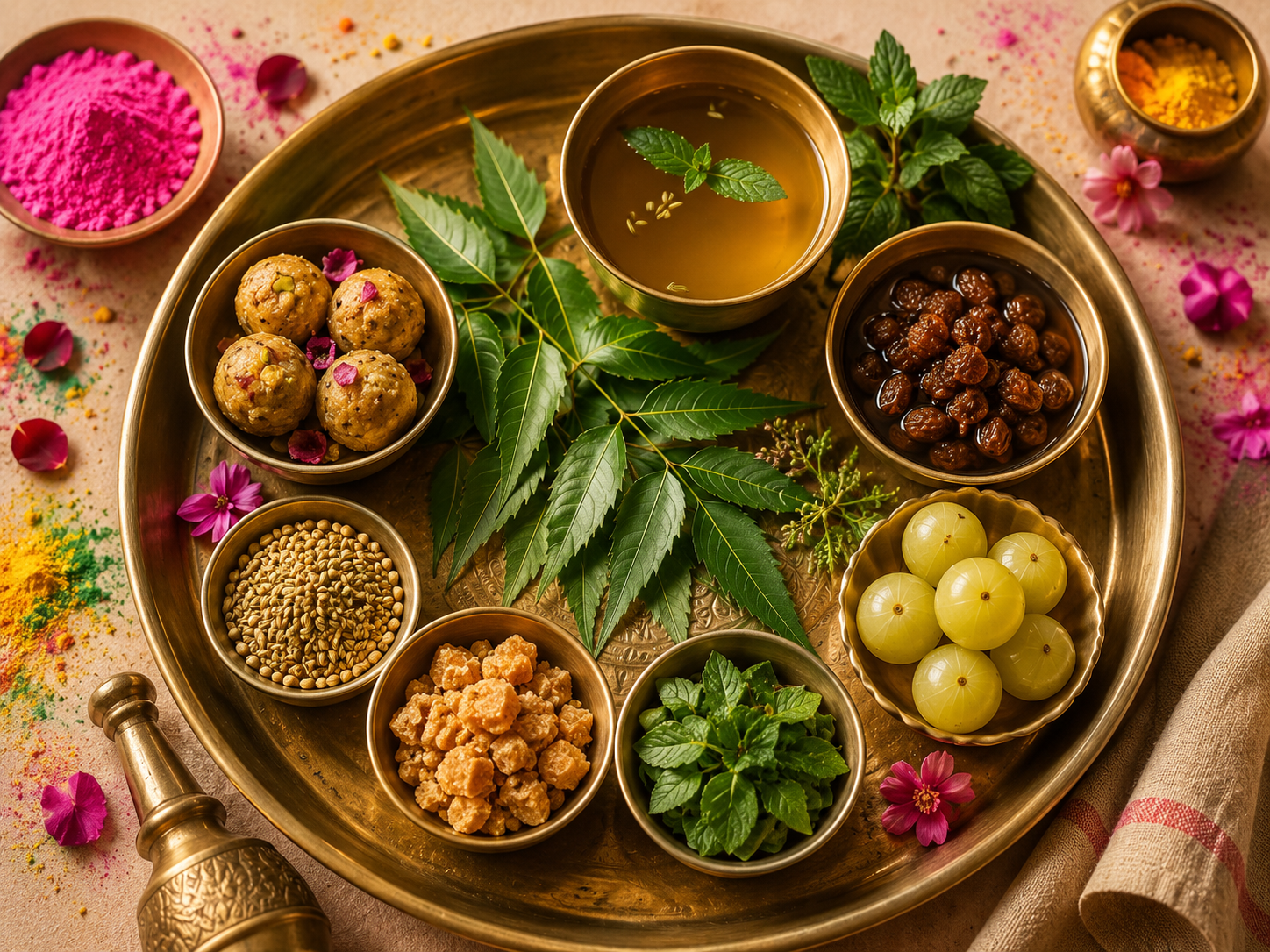
Neem, kanji, gujiya and regional spring foods around a festival of colour and renewal.
Navratri Food Traditions Across Indian Homes
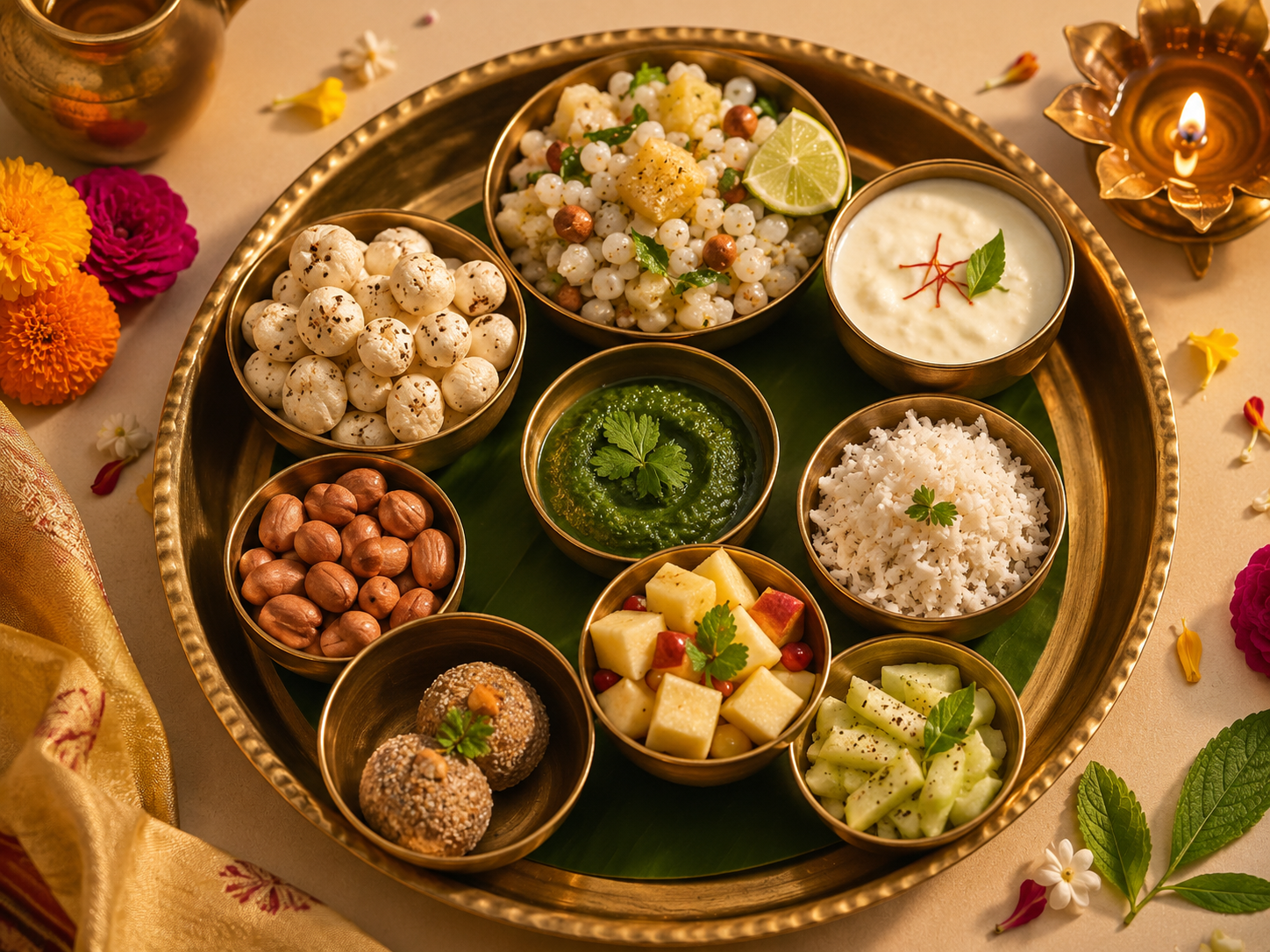
How devotion, regional calendars and household fasting foods shape the nine nights without turning them into a health prescription.
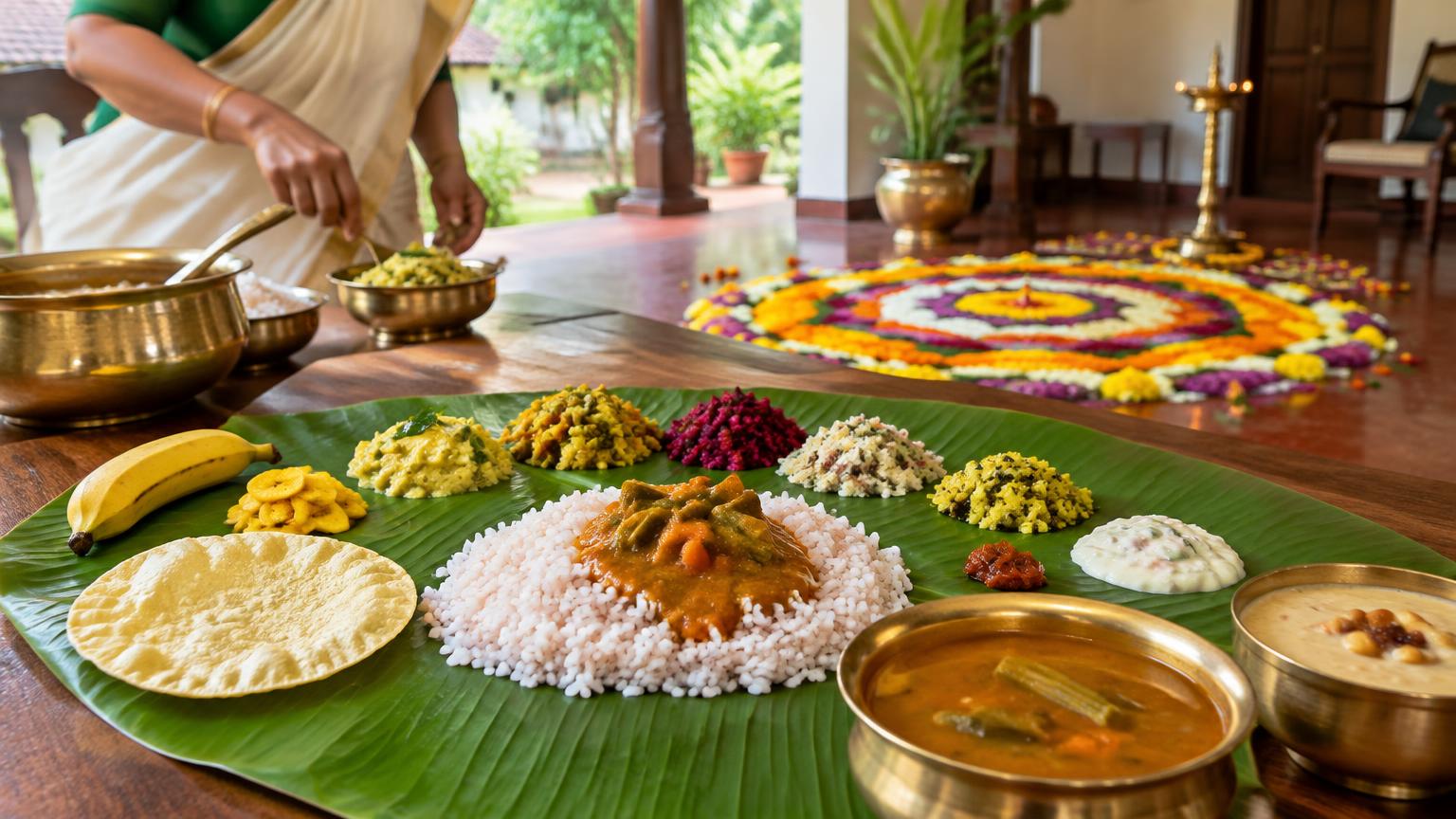
Onam: Sadya, Homecoming and Kerala's Harvest Memory
The many-dish banana-leaf meal, floral courtyards and household labour behind Kerala's shared festival.
Continue exploring
Related on The Wisdom Jar
Ingredient
Milk
Nourishing whole food — best taken warm with spices, never with salty foods.
Read moreIngredient
Rice
Cooling, easily digestible staple — basis of healing khichdi and kanji.
Read moreRemedy
Golden Milk for Winter Immunity
A warm, soothing nightly drink of turmeric, milk, and pepper to support immunity and rest.
Read moreRemedy
Ginger-Tulsi Decoction for Cough & Cold
A simple kitchen kadha that soothes scratchy throats and clears mild congestion.
Read moreDaily Wellness
Warm Water on Waking (Ushapan)
A simple, ancient cue that wakes digestion and gently flushes the system.
Read moreDaily Wellness
Tongue Scraping
Remove the overnight coating in 30 seconds — taste, breath and digestion improve.
Read more