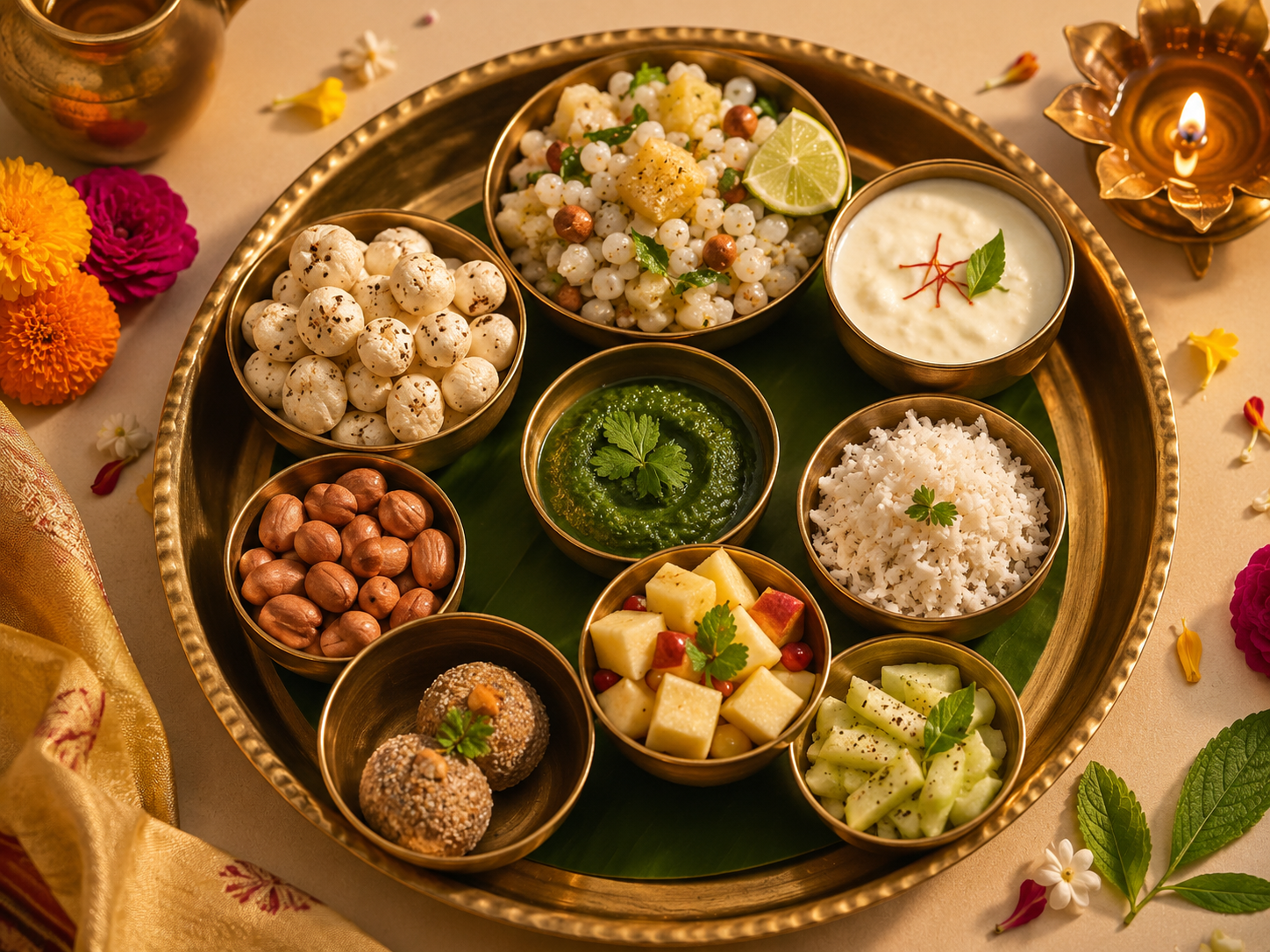
Festival Traditions
Navratri Food Traditions Across Indian Homes
How devotion, regional calendars and household fasting foods shape the nine nights without turning them into a health prescription.
Navratri is commonly observed as a nine-night devotional period, with autumn and spring observances and markedly different regional expressions. Garba in Gujarat, Durga Puja in Bengal, golu displays in Tamil Nadu and Karnataka, and household worship elsewhere share a calendar period without sharing one menu or one meaning.
Some households fast or restrict particular grains, while others prepare community feasts or festival-specific offerings. Sama or barnyard millet, buckwheat, amaranth, potatoes, dairy, fruit and sendha namak appear in some northern fasting kitchens; these are permitted foods within particular customs, not a required diet for everyone.
Food knowledge is carried through substitution: which flour binds, which grain cooks like rice, and how a familiar family dish changes when a customary ingredient is set aside. In Bengal, bhog and community meals tell a different story from a Gujarati fasting plate, so neither should stand in for the whole festival.
Modern observance ranges from full inherited practice to one shared meal or a single family recipe. The enduring thread is intentionality, hospitality and collective remembrance, not a promise to improve digestion or alter health.
Fasting may not be suitable during pregnancy, for children, elderly or frail people, people with diabetes, people taking medication, or anyone with a relevant medical condition. Individual needs vary; seek medical guidance rather than following a festival fast by default. No article can determine whether fasting is safe for an individual, and no festival requires someone to ignore medical needs.
For the autumn transition, see Sharad in Seasonal Customs; for Gujarati and Bengali kitchens, follow the related Regional Wisdom articles.
More from Festival Traditions
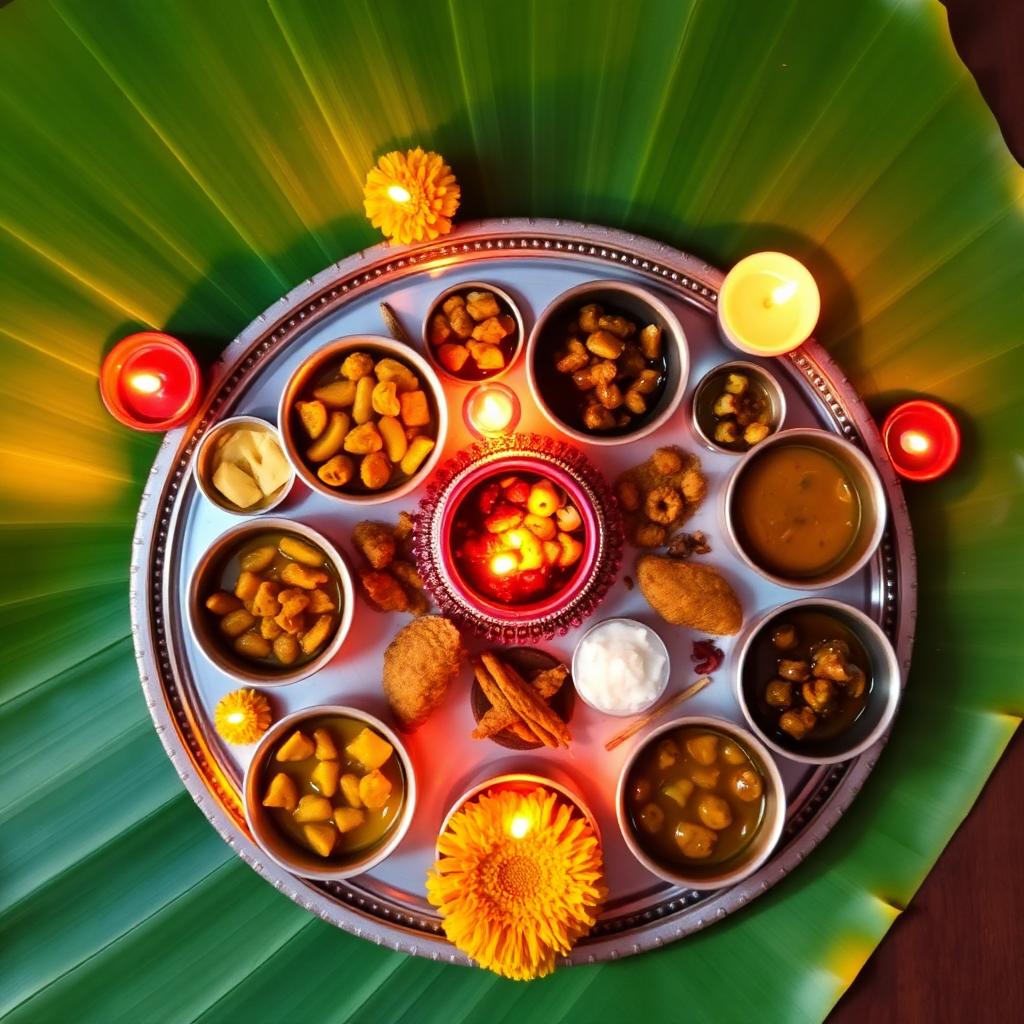
Diwali Foods: Light, Hospitality and the Autumn Kitchen
How sweets, savouries and shared trays mark Diwali across distinct Indian household traditions.
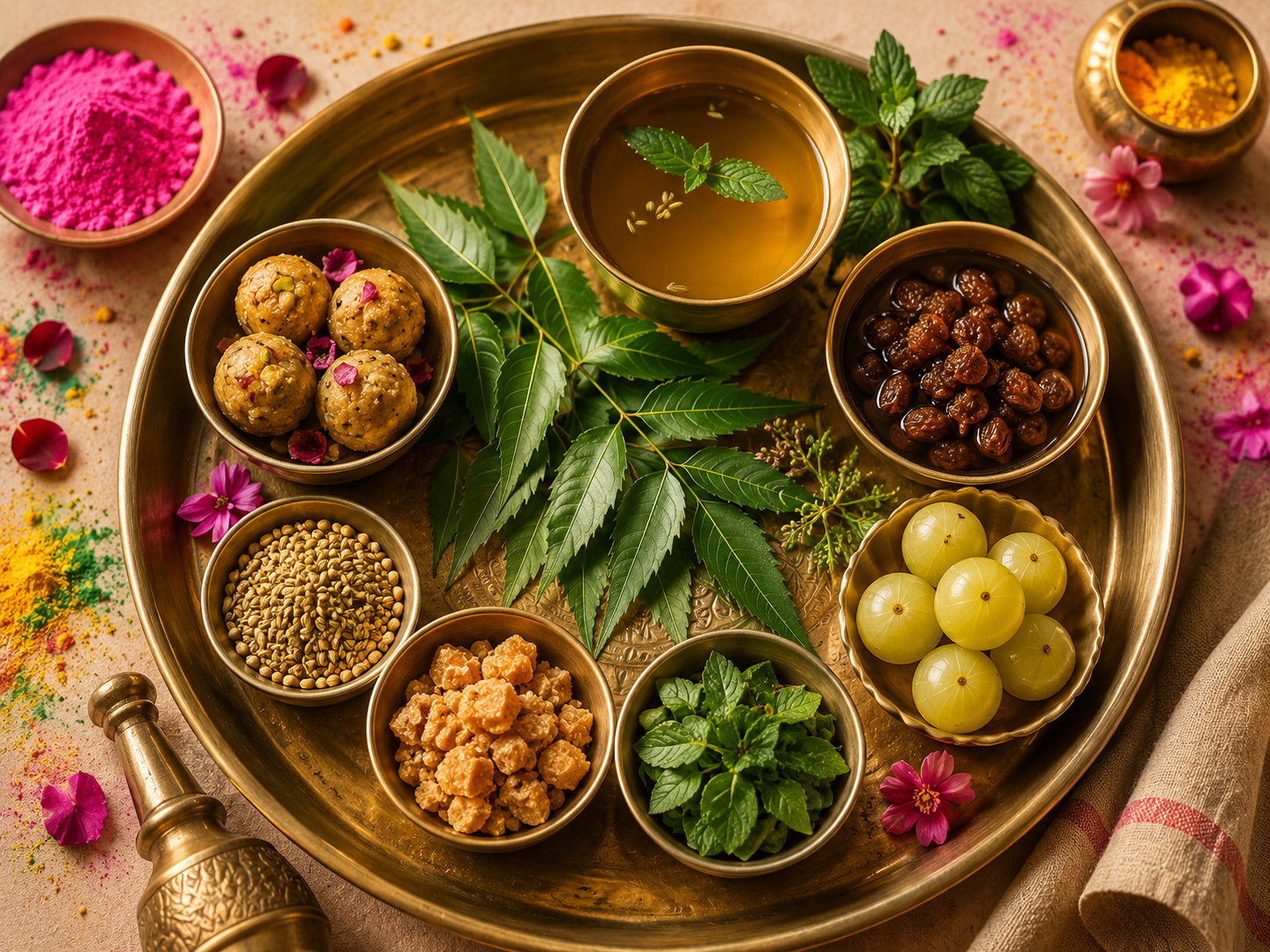
Holi, Spring Foods and the Changing Kitchen
Neem, kanji, gujiya and regional spring foods around a festival of colour and renewal.
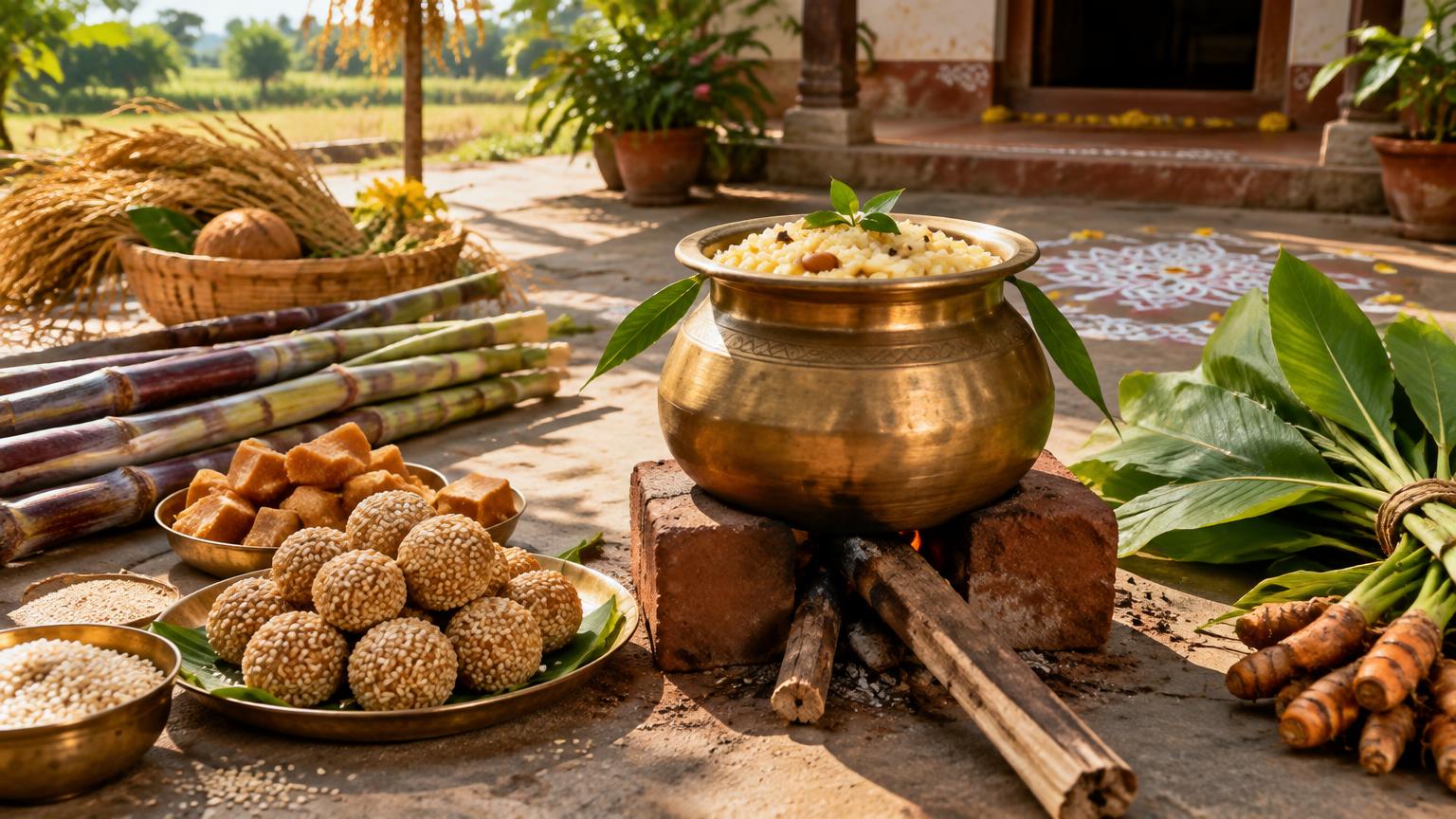
Makar Sankranti & Pongal: Many Harvests, Many Kitchens
Sesame and jaggery, newly harvested rice and sugarcane across distinct mid-January celebrations.
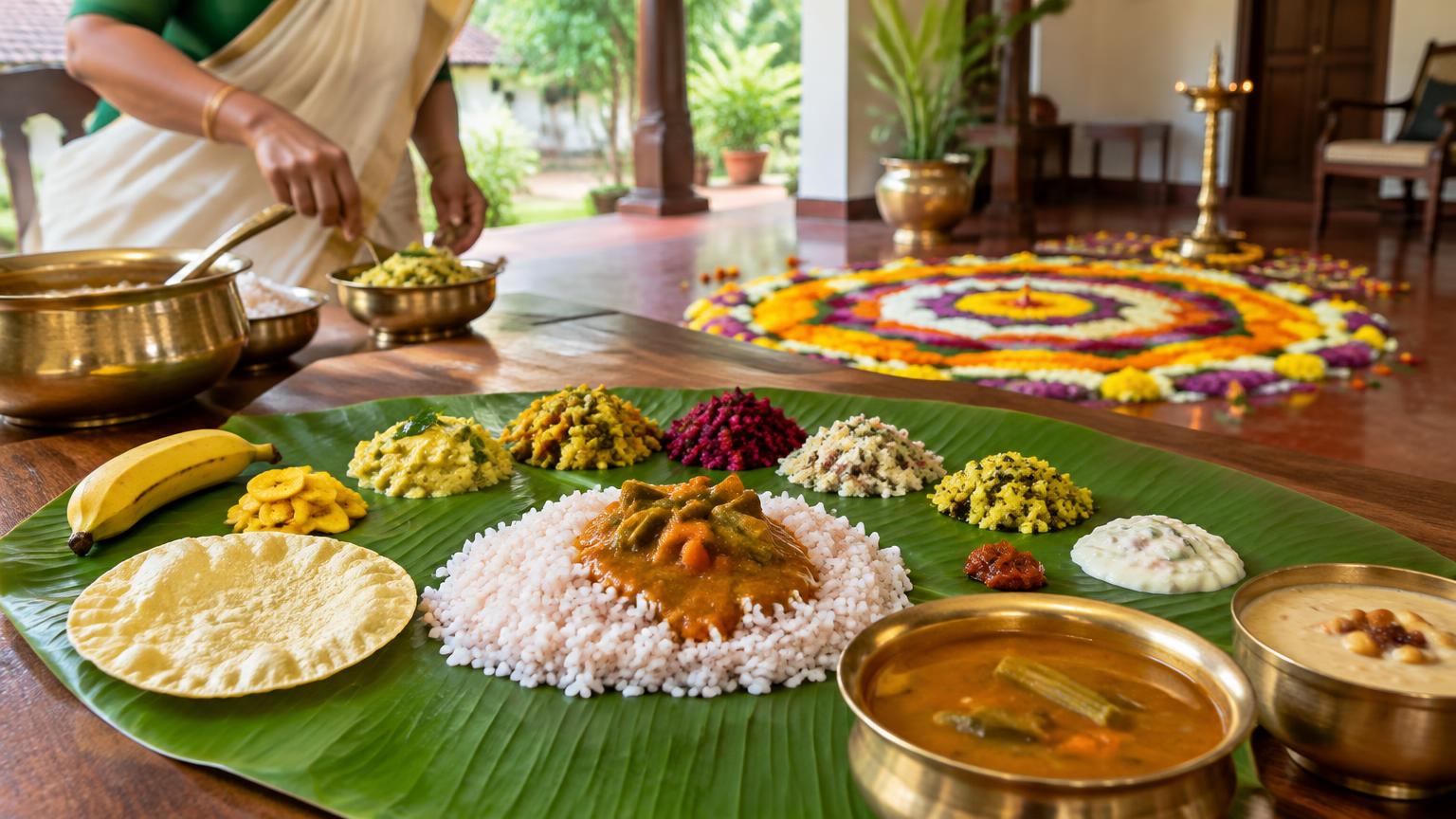
Onam: Sadya, Homecoming and Kerala's Harvest Memory
The many-dish banana-leaf meal, floral courtyards and household labour behind Kerala's shared festival.
Continue exploring
Related on The Wisdom Jar
Ingredient
Milk
Nourishing whole food — best taken warm with spices, never with salty foods.
Read moreIngredient
Banana
Sweet fruit that nourishes, soothes and energises.
Read moreRemedy
Golden Milk for Winter Immunity
A warm, soothing nightly drink of turmeric, milk, and pepper to support immunity and rest.
Read moreRemedy
Ginger-Tulsi Decoction for Cough & Cold
A simple kitchen kadha that soothes scratchy throats and clears mild congestion.
Read moreDaily Wellness
Warm Water on Waking (Ushapan)
A simple, ancient cue that wakes digestion and gently flushes the system.
Read moreDaily Wellness
Tongue Scraping
Remove the overnight coating in 30 seconds — taste, breath and digestion improve.
Read more