Traditional Wisdom
Grandmother's Wisdom
Most of what we call traditional wisdom was never written down. It travelled from grandmother to grandchild as small, specific instructions — when to add ghee, when to skip cold water, when to soak the methi.
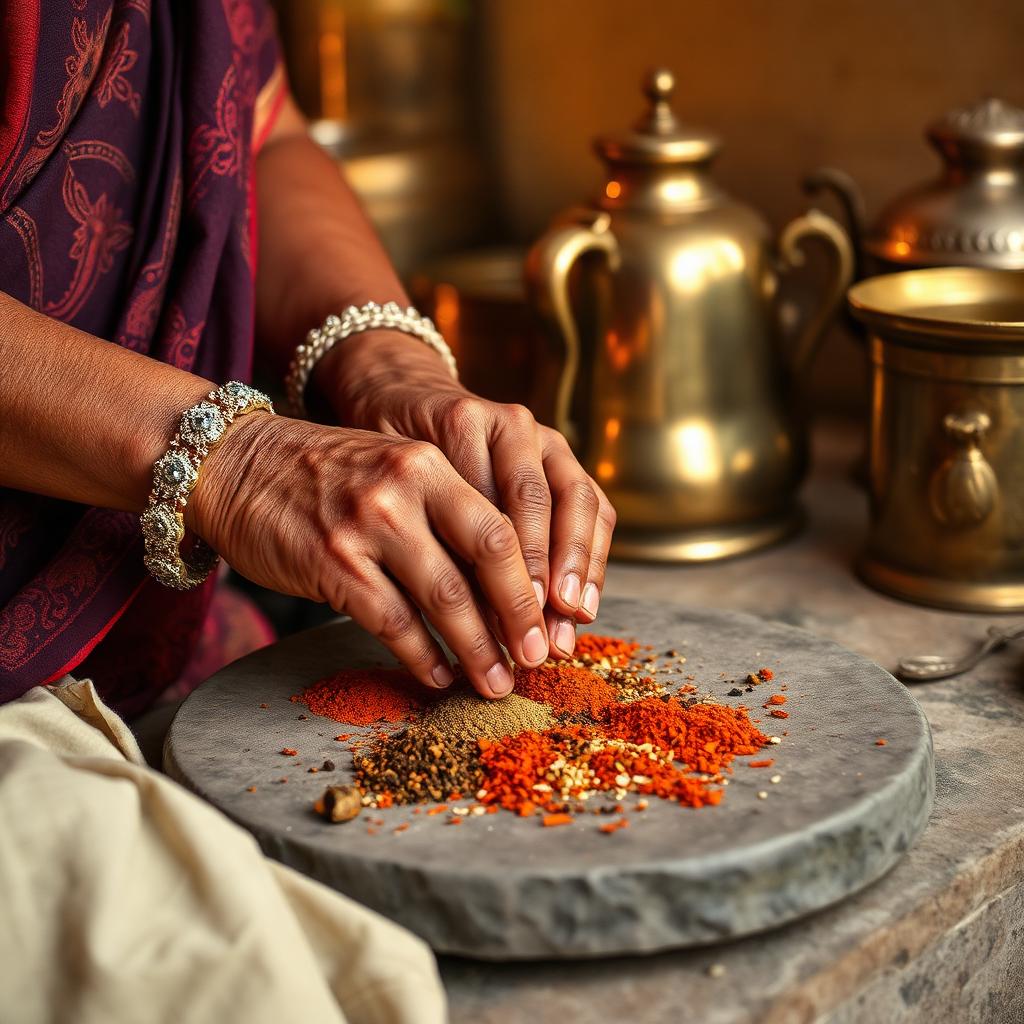
Who Taught Whom: Dadi, Nani and the Household Line
Household knowledge rarely came from one person. It arrived through a specific chain of relatives, neighbours and elders — and who taught whom shaped what survived.
Read article →
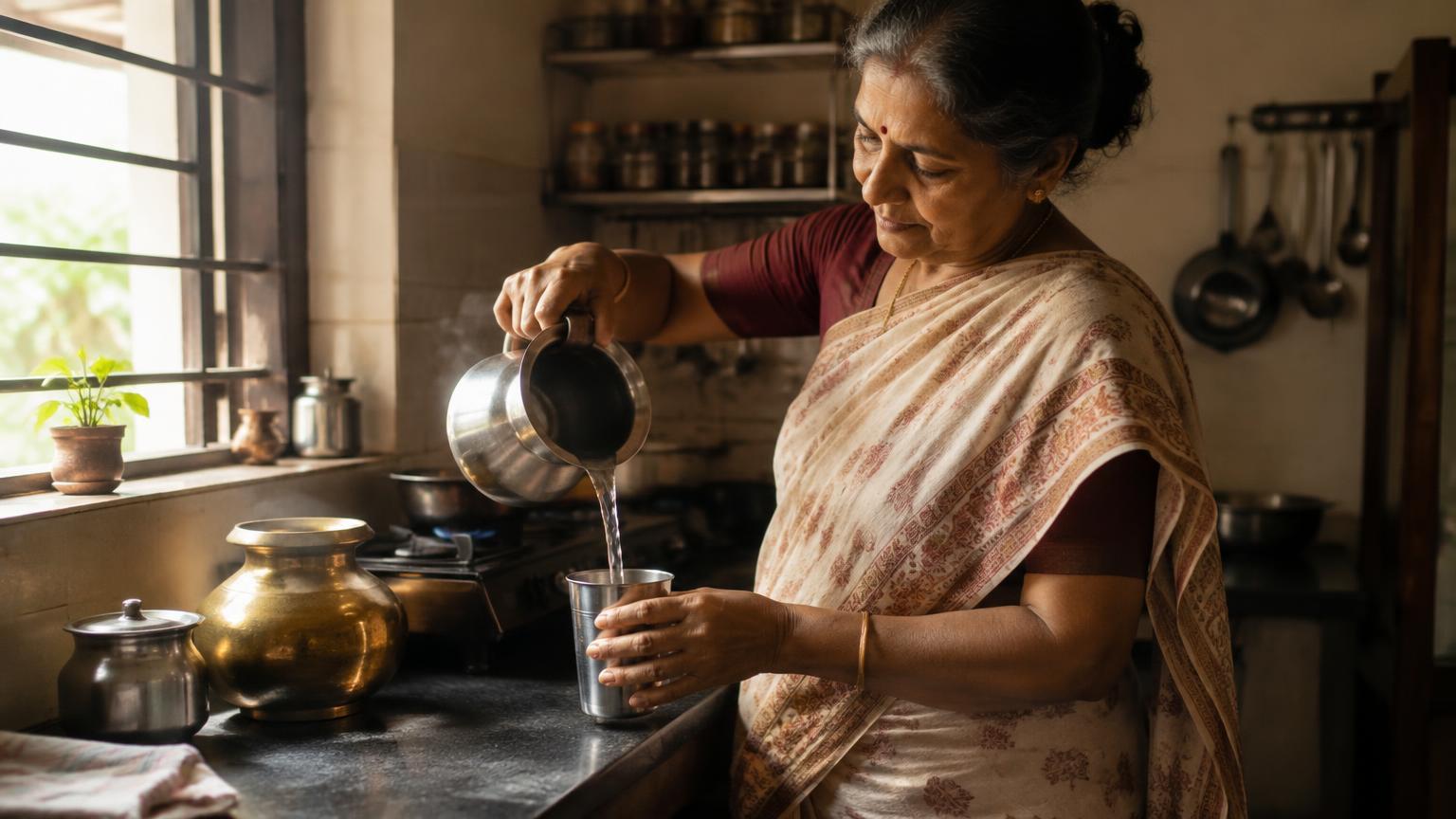
The Daily Household Rhythm
Morning, meals, evening, bedtime — the fixed shape of a household day carried most of its health knowledge without ever naming it as such.
Read article →
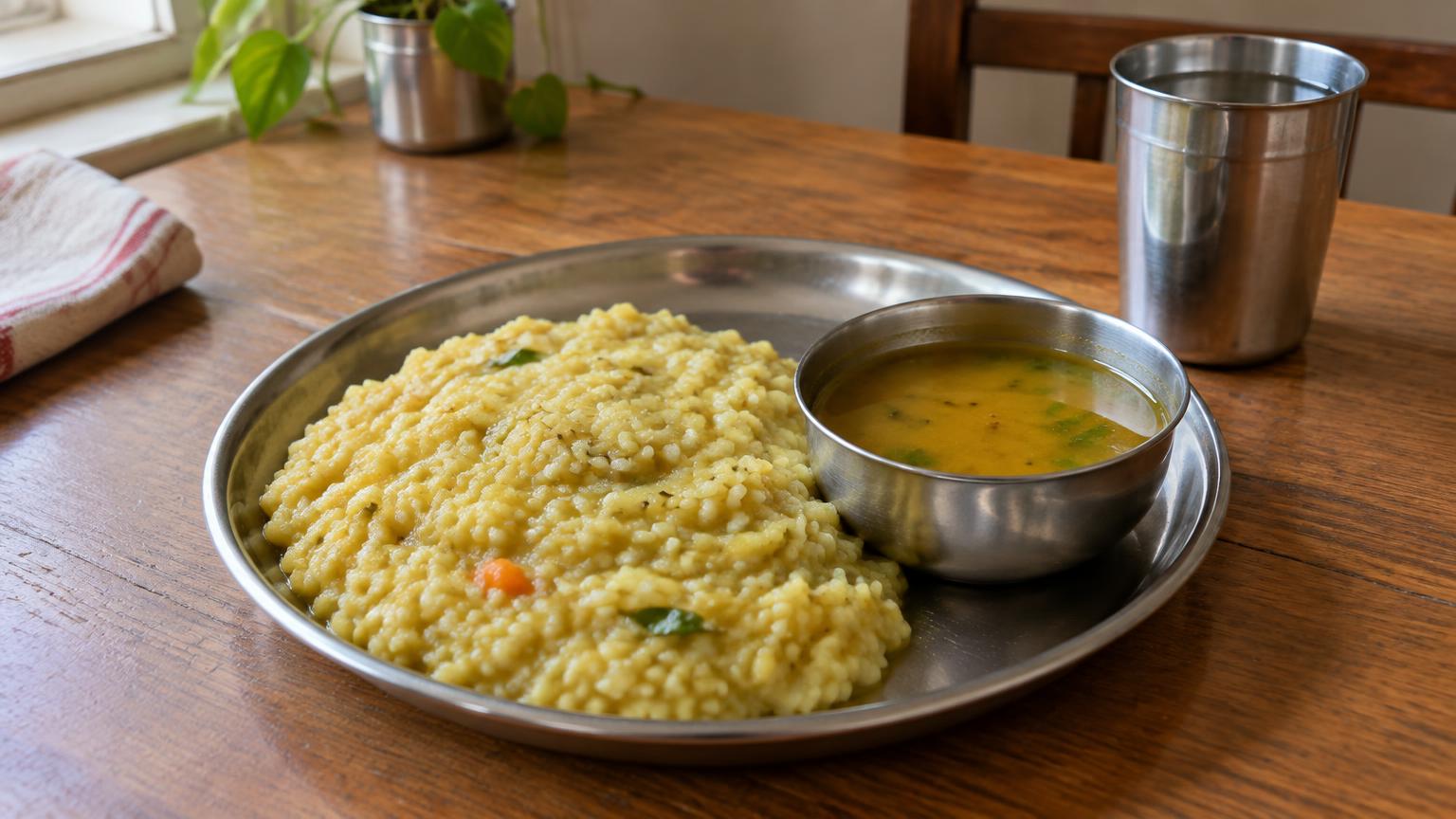
Feeding Someone Who Was Unwell
Every household had a separate way of cooking for the sick and the recovering — simpler, softer, and watched closely by whoever was in charge.
Read article →

New Mothers and Infant Care: A Household Tradition
The weeks after birth were among the most organised periods in household life — and among the most important to read as culture rather than as guidance.
Read article →
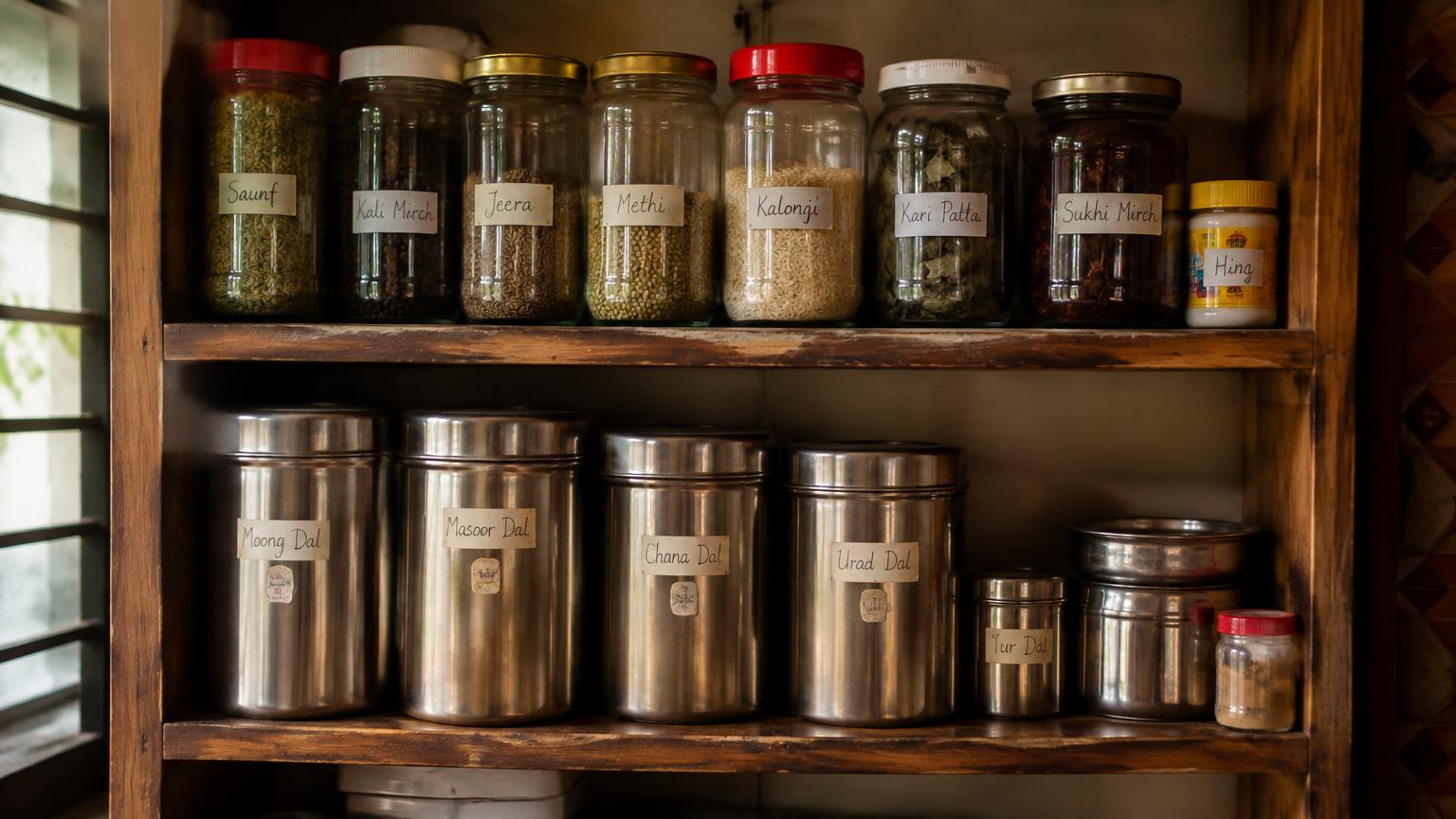
The Kitchen Shelf and What It Remembered
Jars, tins, labels and the back row — how a household stored its ingredients was itself a record of what it knew.
Read article →
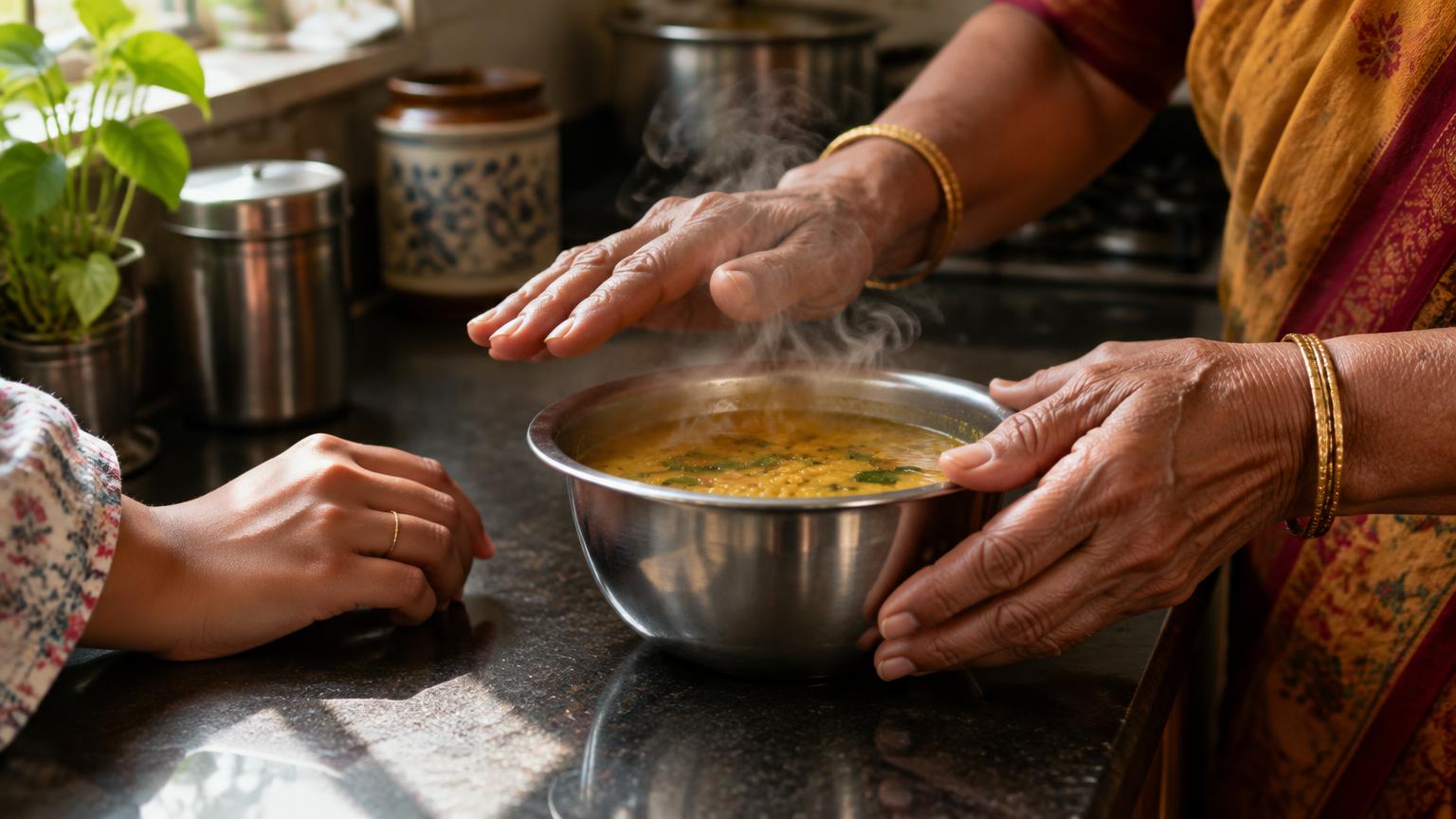
Garam, Thanda, Bhaari, Halka: The Household Vocabulary
Four everyday words did most of the work in an Indian kitchen — and none of them meant temperature or weight.
Read article →
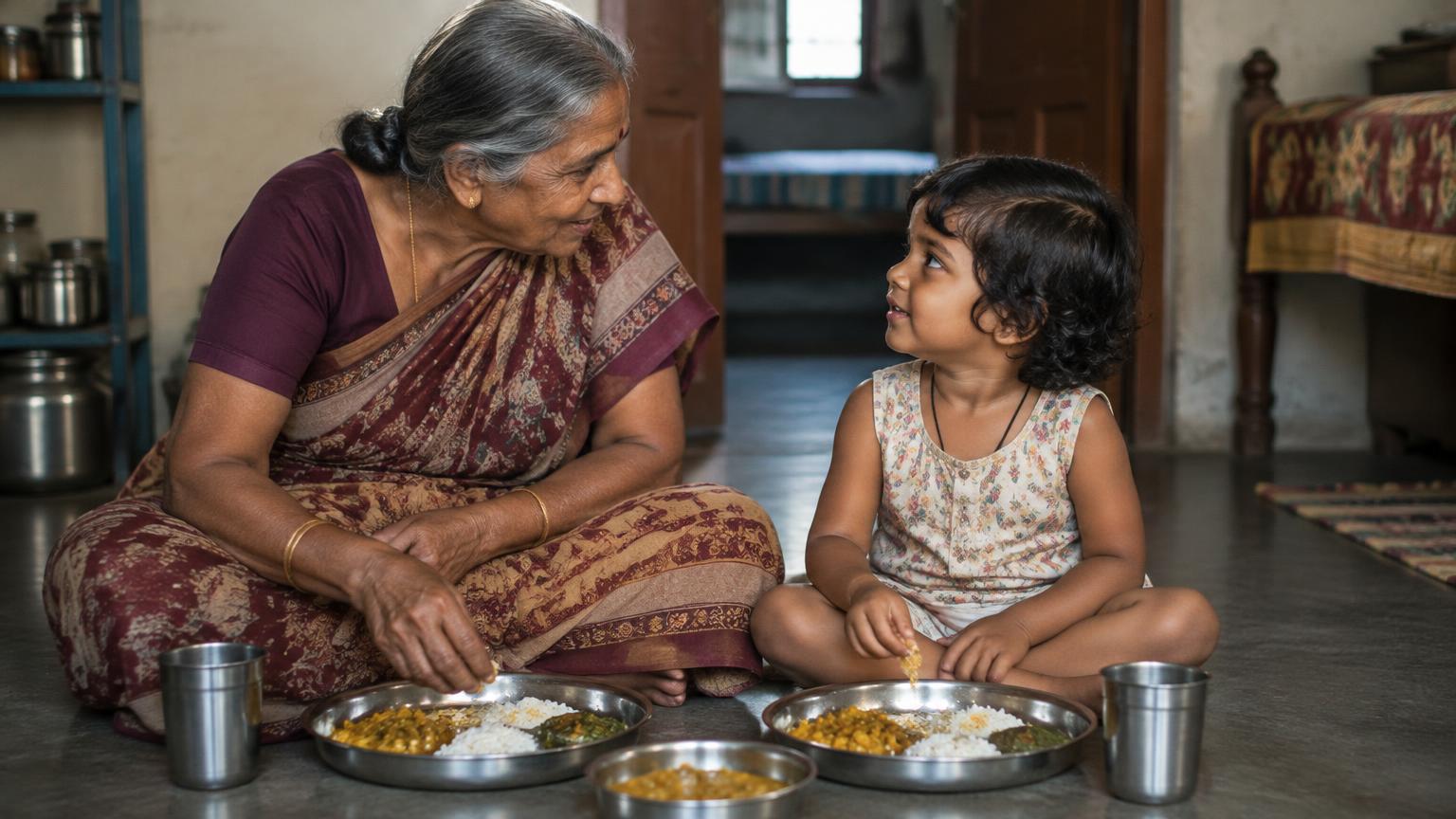
What Children Were Told, and Why
Short warnings, rhymes and stories carried household rules to children long before anyone explained the reasoning — if it was ever explained at all.
Read article →

Why Families Kept Passing Down Turmeric Milk
Haldi doodh survived three generations of change not because it was proven, but because of how, when and by whom it was served.
Read article →

What Migration and Nuclear Households Changed
The single biggest break in household transmission was not disbelief. It was distance, smaller homes and the loss of the people who taught by being present.
Read article →