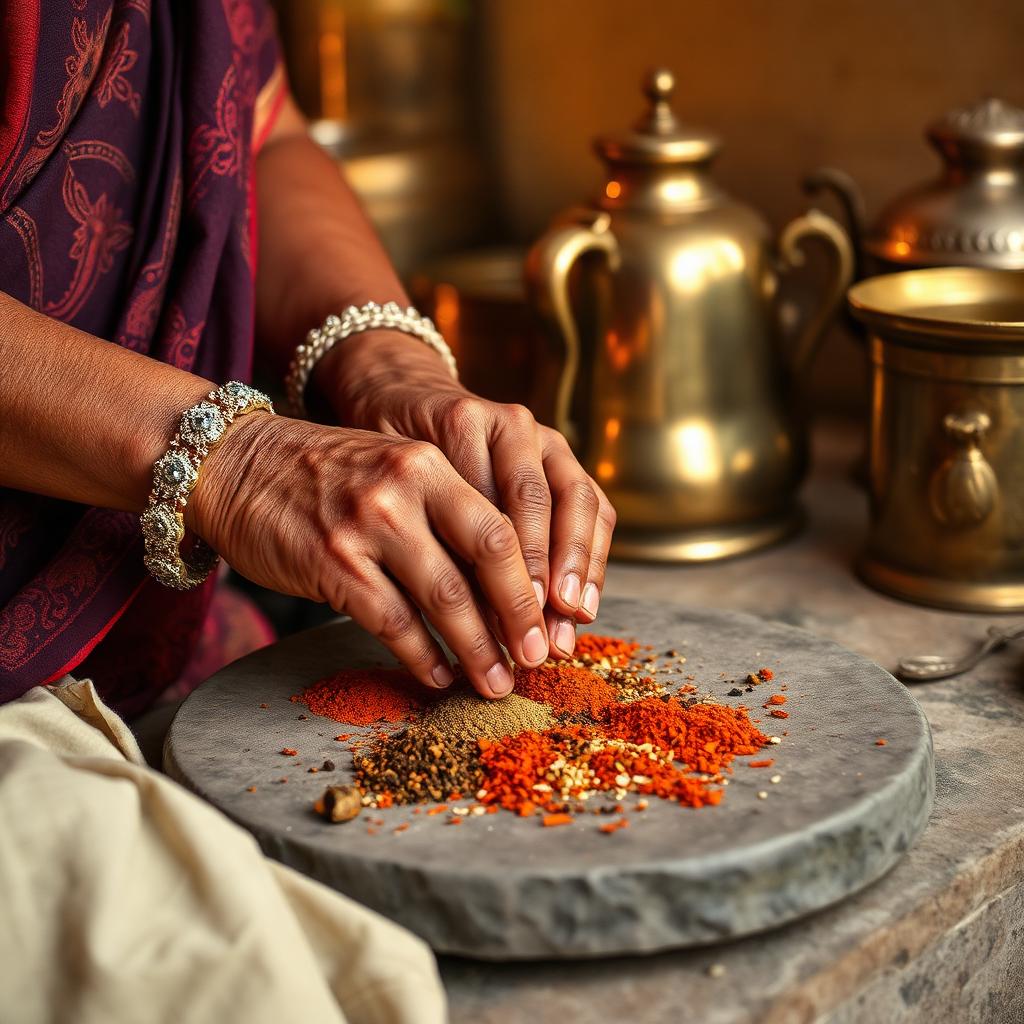
Grandmother's Wisdom
Who Taught Whom: Dadi, Nani and the Household Line
Household knowledge rarely came from one person. It arrived through a specific chain of relatives, neighbours and elders — and who taught whom shaped what survived.
Most Indian household health knowledge was never written down, and it was never held by a single teacher. It moved along the relationships a household already had. A dadi (paternal grandmother) often shaped the everyday kitchen of a joint family she had run for decades. A nani (maternal grandmother) frequently became the authority at particular moments — a first pregnancy, a new baby, a long recovery — when a daughter returned to her mother's house. A mother-in-law transmitted the practices of the household a young woman had married into, which were not always the ones she grew up with.
Around that core sat a wider circle whose role is easy to forget: an aunt or older cousin who explained things less formally, a neighbour across the courtyard, a midwife or dai in many communities, a family cook in wealthier homes, and older women at temple, mosque, church or gurdwara gatherings where advice circulated alongside everything else. In many regions a household also consulted a local practitioner — a vaidya, hakim or traditional bone-setter — and what they said was absorbed into family speech long after the visit.
Transmission happened while doing, not while teaching. Instructions were given in the middle of a task, attached to a situation rather than a principle: this is what we add when the rains begin, this is what we cook when someone cannot eat much, this is what we keep for the cold months. Because the knowledge travelled as fragments tied to occasions, no one person held a complete system — which is why two women in the same street could give confidently different instructions.
That mattered practically. In households without easy access to a clinic, and often with limited literacy among the women who ran them, the elder's memory was the household's reference. Her authority came from having managed many seasons, many children and many recoveries, and from being the person actually present when something went wrong at two in the morning.
The chain still exists, but thinner and more selective. A phone call to a mother or mother-in-law during a child's first fever, a recipe repeated because it tastes like home, a habit kept without knowing its reason. What survives now is usually food, comfort and vocabulary rather than the full instruction set. This is cultural and household history, not self-care instruction. Anything involving infants, pregnancy, postpartum recovery, illness or medication belongs with a qualified health professional, and severe, persistent or worsening symptoms need medical attention rather than a remembered household habit.
More from Grandmother's Wisdom
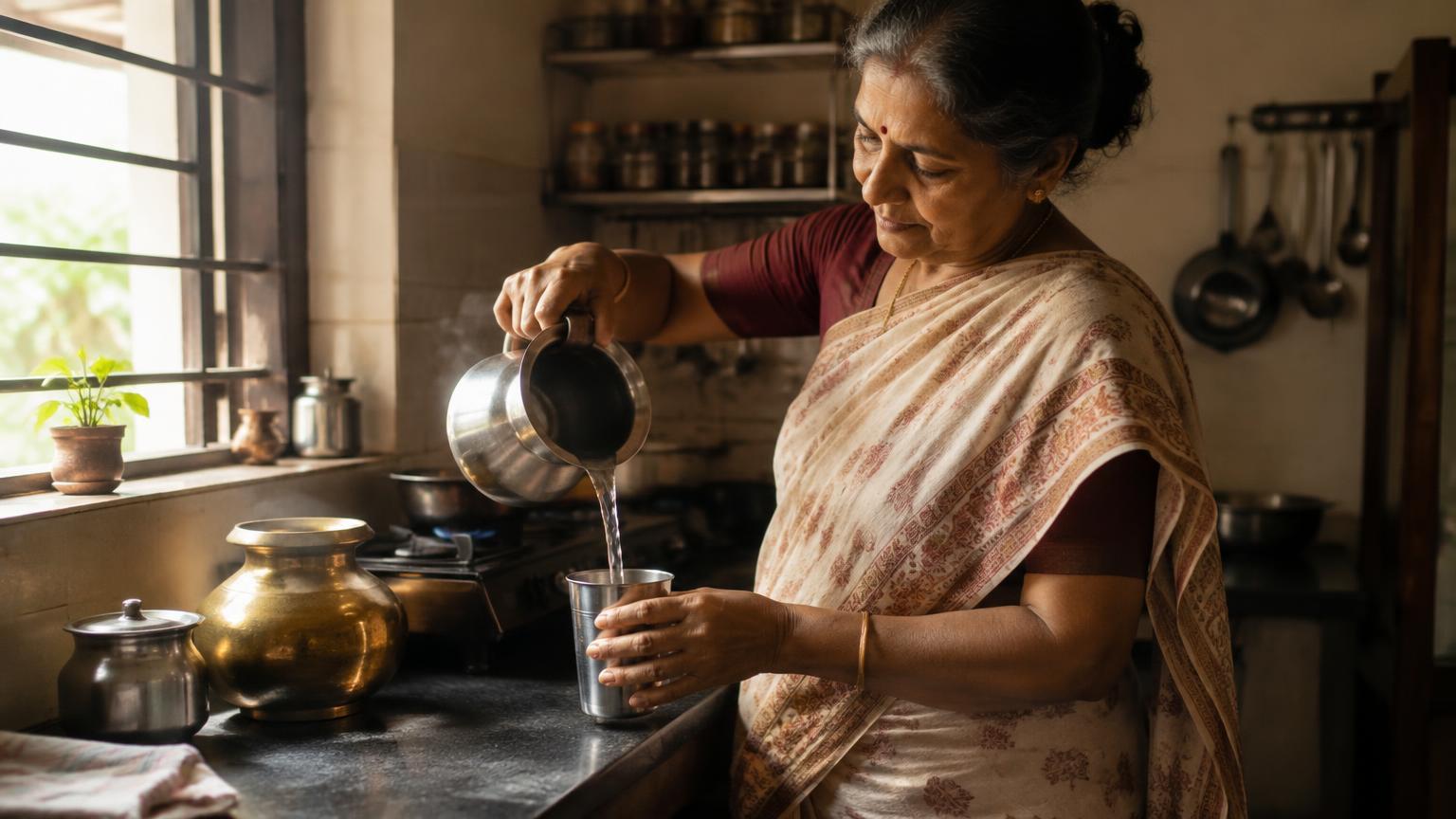
The Daily Household Rhythm
Morning, meals, evening, bedtime — the fixed shape of a household day carried most of its health knowledge without ever naming it as such.
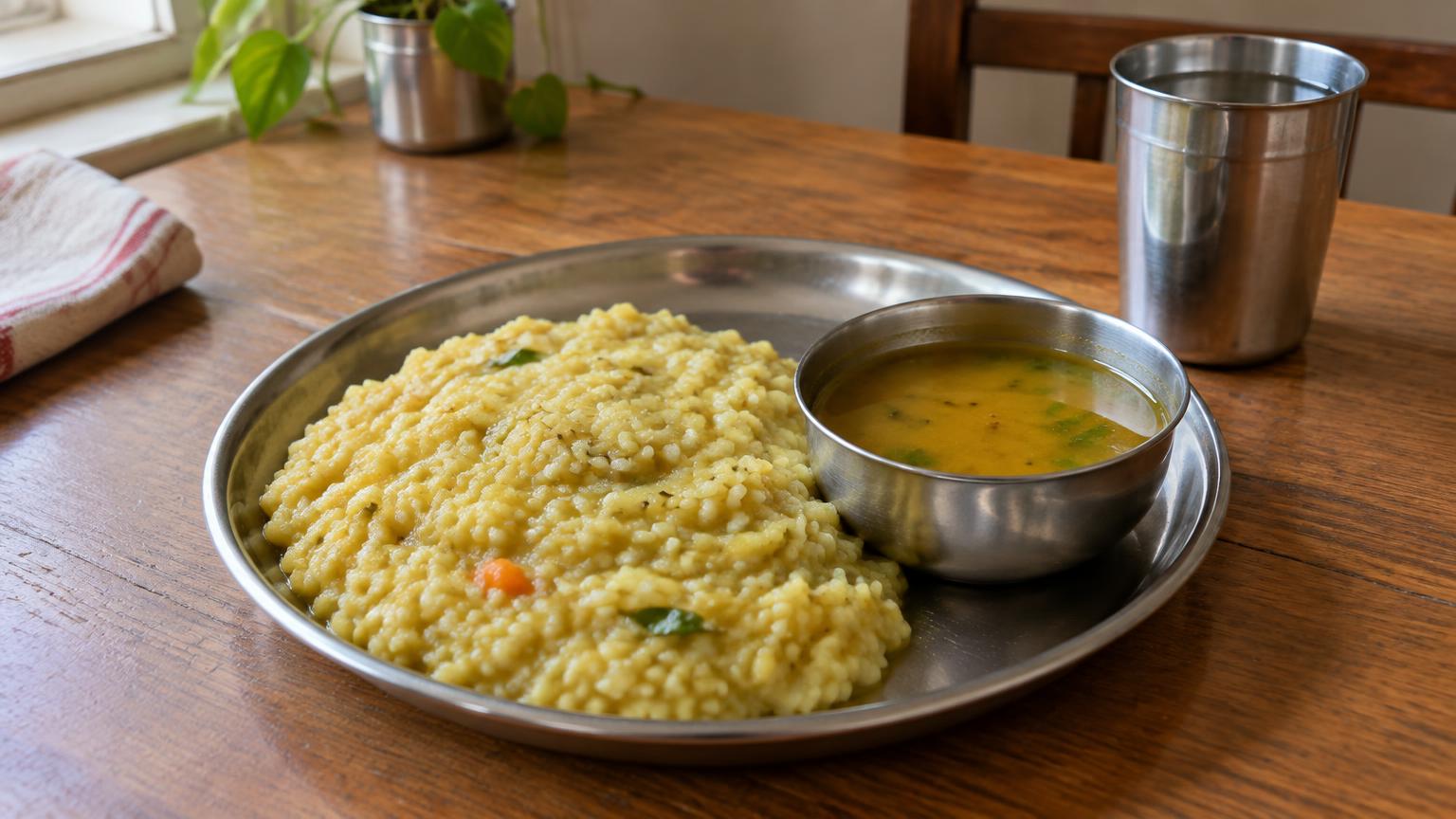
Feeding Someone Who Was Unwell
Every household had a separate way of cooking for the sick and the recovering — simpler, softer, and watched closely by whoever was in charge.
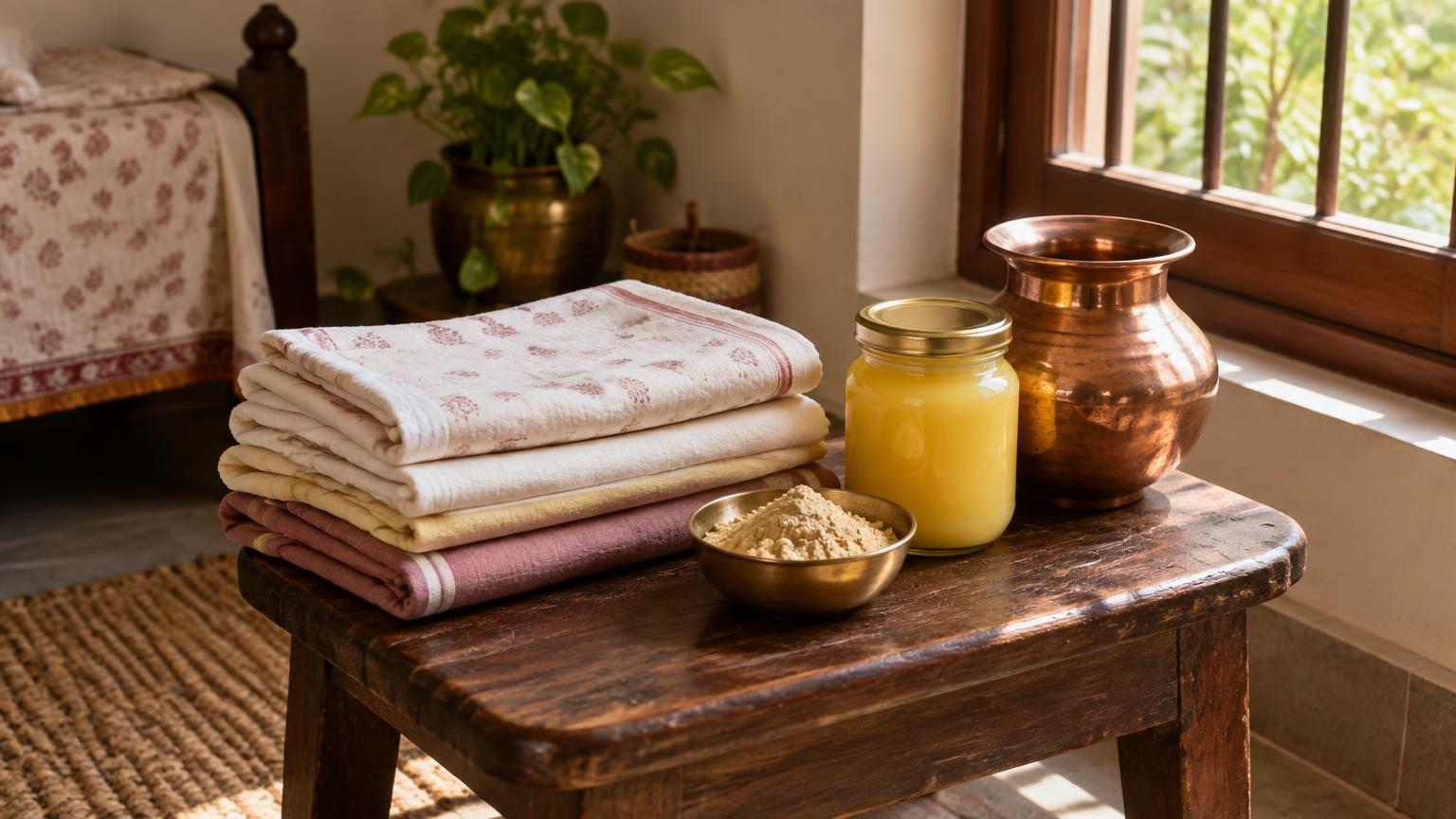
New Mothers and Infant Care: A Household Tradition
The weeks after birth were among the most organised periods in household life — and among the most important to read as culture rather than as guidance.
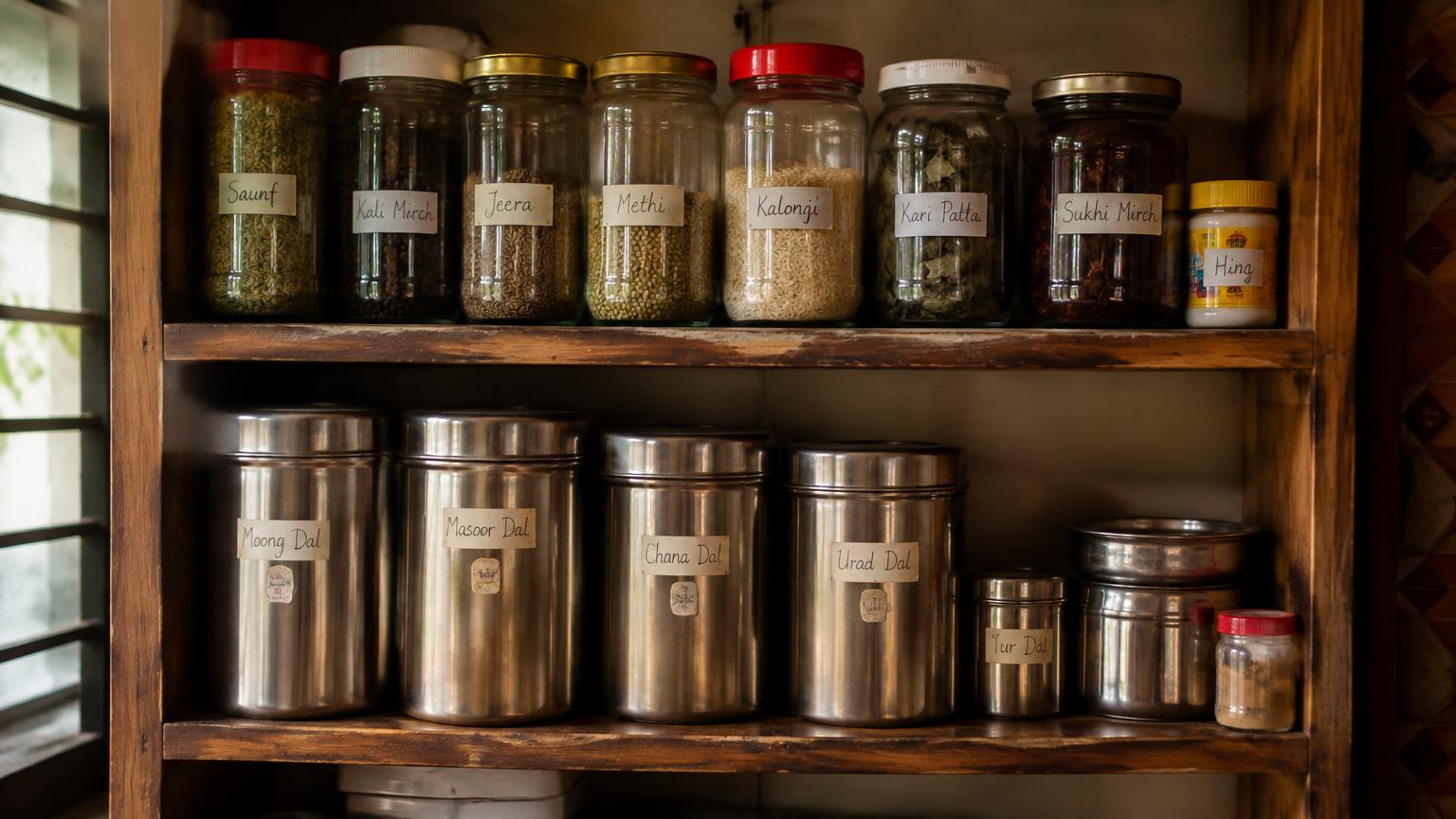
The Kitchen Shelf and What It Remembered
Jars, tins, labels and the back row — how a household stored its ingredients was itself a record of what it knew.
Continue exploring
Related on The Wisdom Jar
Ingredient
Turmeric
A warm, golden rhizome treasured for centuries as a kitchen healer for inflammation, immunity, and skin glow.
Read moreIngredient
Ginger
A pungent, warming root used worldwide for nausea, digestion, and respiratory comfort.
Read moreRemedy
Golden Milk for Winter Immunity
A warm, soothing nightly drink of turmeric, milk, and pepper to support immunity and rest.
Read moreRemedy
Ginger-Tulsi Decoction for Cough & Cold
A simple kitchen kadha that soothes scratchy throats and clears mild congestion.
Read moreDaily Wellness
Warm Water on Waking (Ushapan)
A simple, ancient cue that wakes digestion and gently flushes the system.
Read moreDaily Wellness
Tongue Scraping
Remove the overnight coating in 30 seconds — taste, breath and digestion improve.
Read more