
Grandmother's Wisdom
Why Families Kept Passing Down Turmeric Milk
Haldi doodh survived three generations of change not because it was proven, but because of how, when and by whom it was served.
Haldi doodh — warm milk with turmeric — is one of the few household habits that made it intact from village kitchens to city apartments to café menus. Understanding why says more about transmission than about turmeric. It used two things almost every household already had, it needed no special skill or equipment, it took minutes at the end of the day, and it was served at a fixed moment: to children at bedtime, to someone who had come in cold or was feeling low, and in many homes more often through the cold months.
Who served it mattered. It was typically prepared by a grandmother or mother for someone else, which made it an act of care with a clear giver and receiver. Habits like that are transmitted far more reliably than instructions, because the child on the receiving end learns the whole scene — the timing, the tumbler, the insistence — long before learning any reason.
Households attached it to occasions rather than conditions: cold weather, a late return home, a bad day, a bruise or a sprain in some regions, the evening after a tiring one. Variations followed what a household had — jaggery or sugar in some homes, a pinch of pepper or dried ginger in others, different milks and different strengths in different regions — and the preparation was never fixed.
The modern turmeric-latte version travelled back into Indian homes through cafés and wellness marketing, which changed how the drink is talked about. That marketing often frames it as an evidence-backed health product. Research on turmeric and its compounds is genuinely active, but an active research area is not a demonstrated household benefit, and this article makes no claim that the drink treats or prevents anything.
What survives is the habit and its meaning. For the preparation itself, see the Golden Milk remedy and recipe pages, and the turmeric entry in the Ingredients encyclopedia, where cautions — including relevance to gallbladder or bleeding conditions, blood-thinning and certain other medicines, pregnancy, and use in young children — are set out. Nothing here is a substitute for medical advice.
More from Grandmother's Wisdom
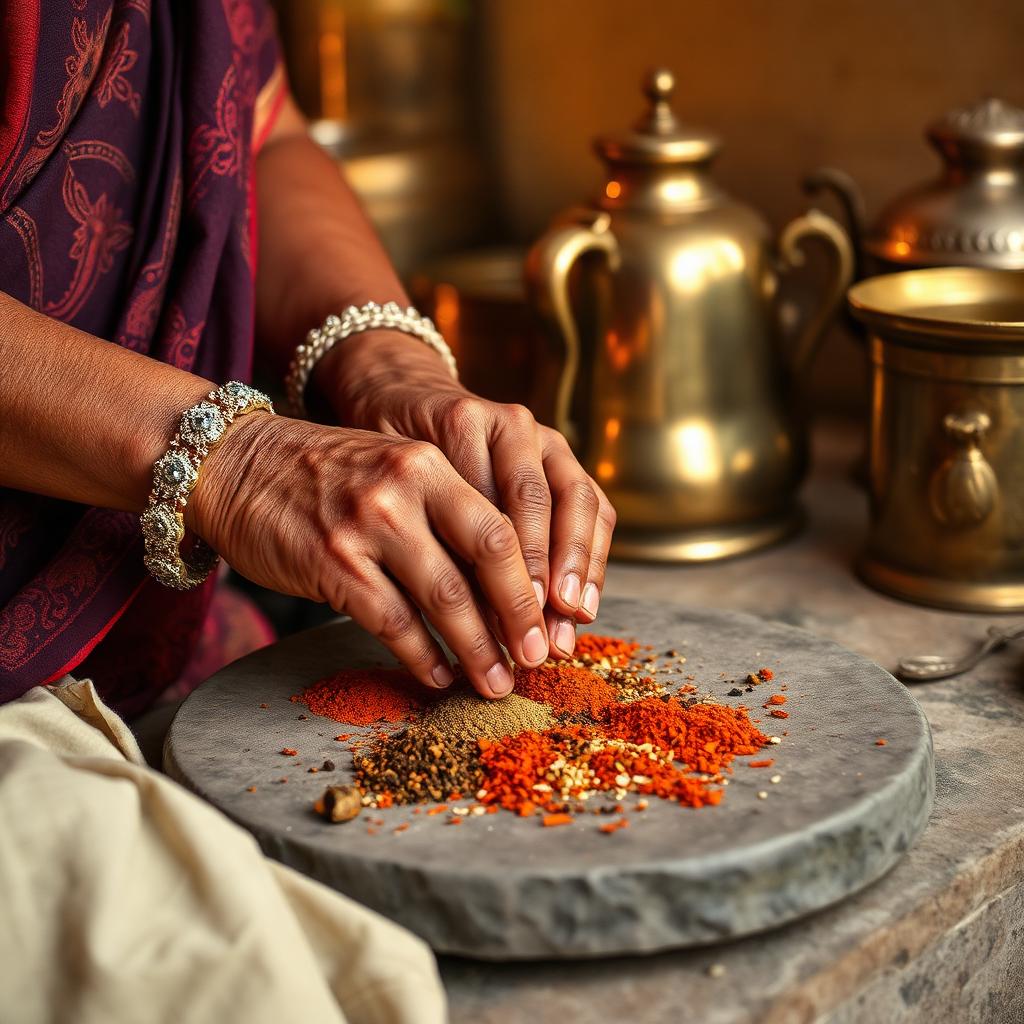
Who Taught Whom: Dadi, Nani and the Household Line
Household knowledge rarely came from one person. It arrived through a specific chain of relatives, neighbours and elders — and who taught whom shaped what survived.
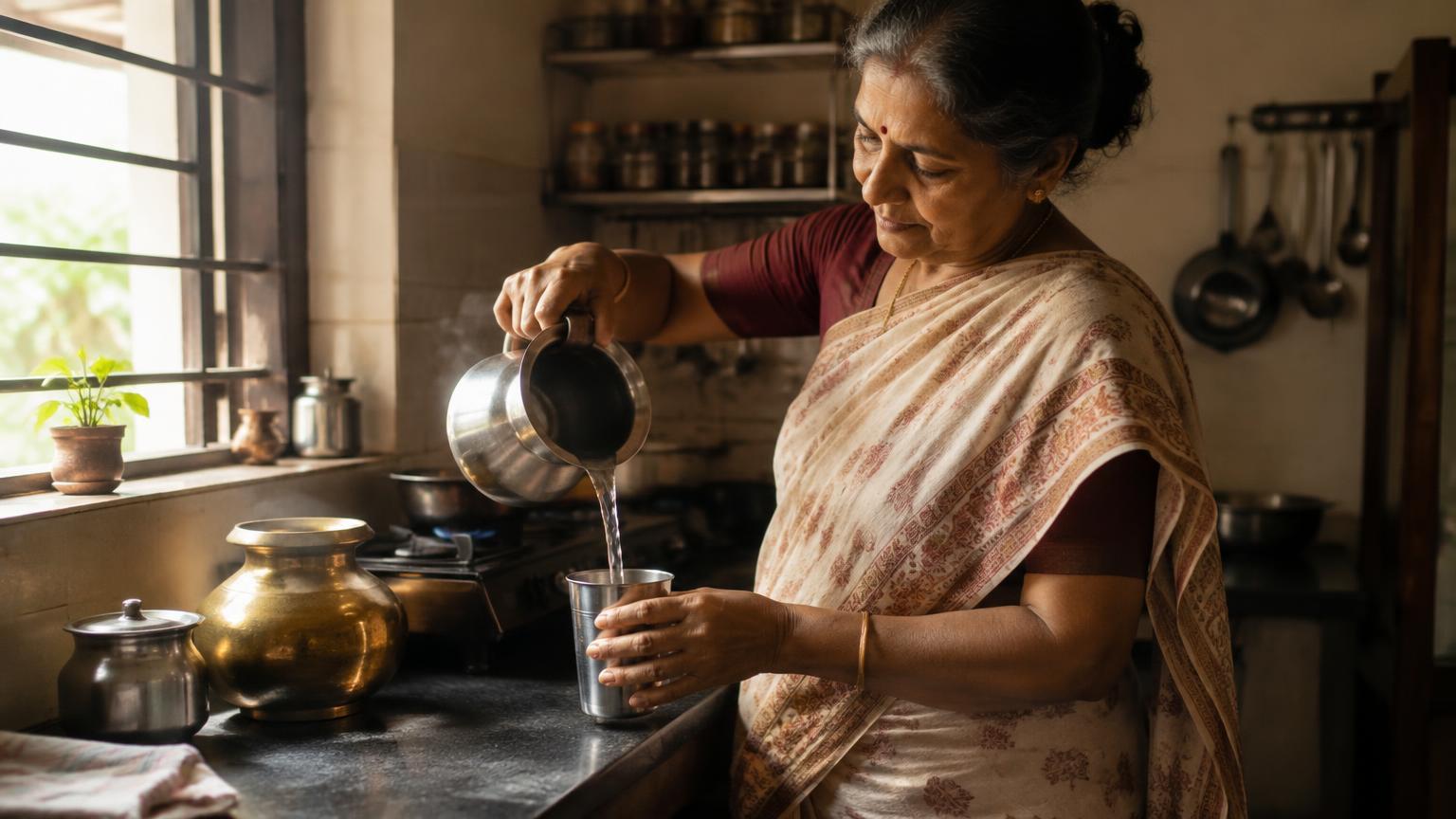
The Daily Household Rhythm
Morning, meals, evening, bedtime — the fixed shape of a household day carried most of its health knowledge without ever naming it as such.
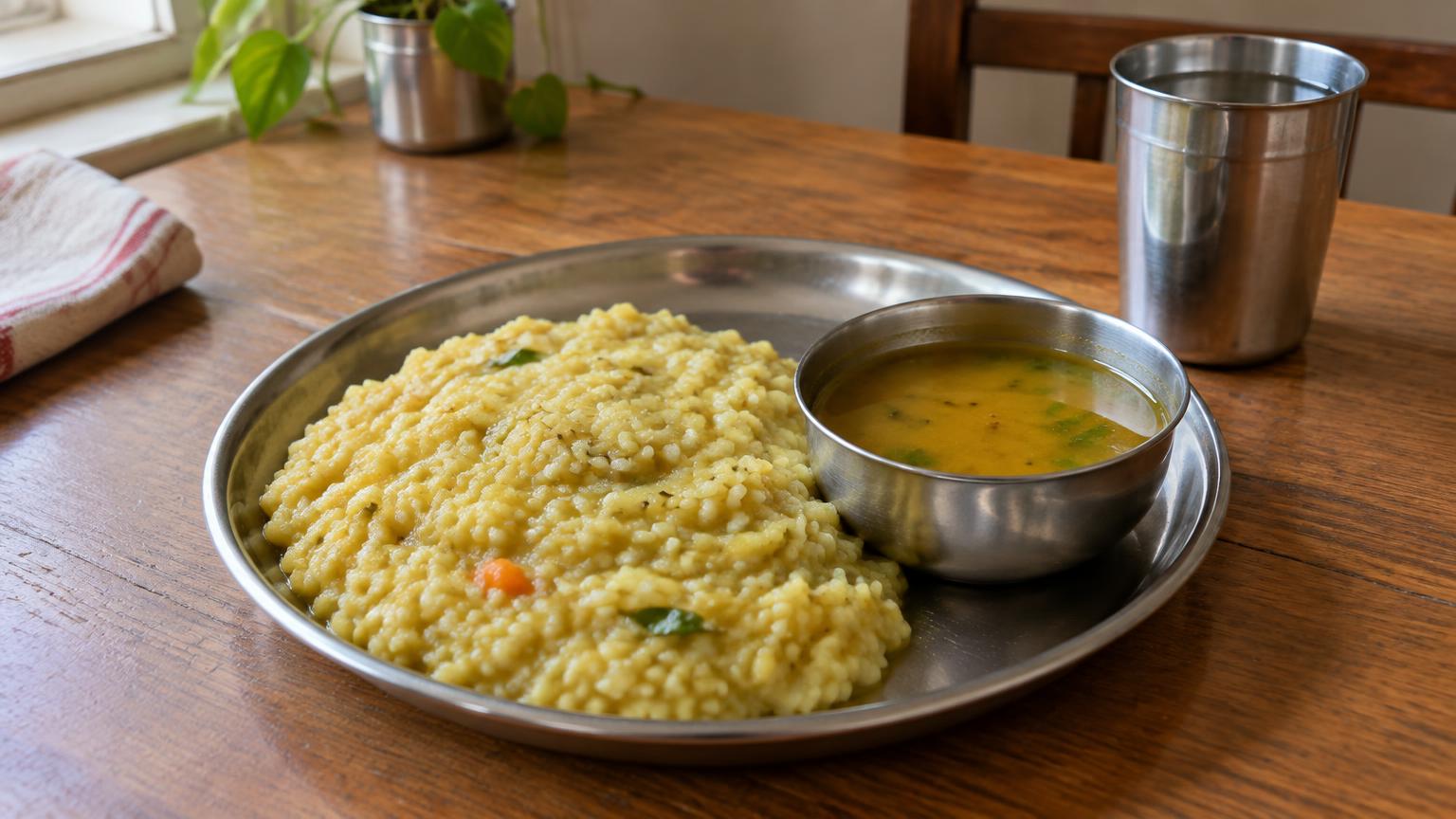
Feeding Someone Who Was Unwell
Every household had a separate way of cooking for the sick and the recovering — simpler, softer, and watched closely by whoever was in charge.
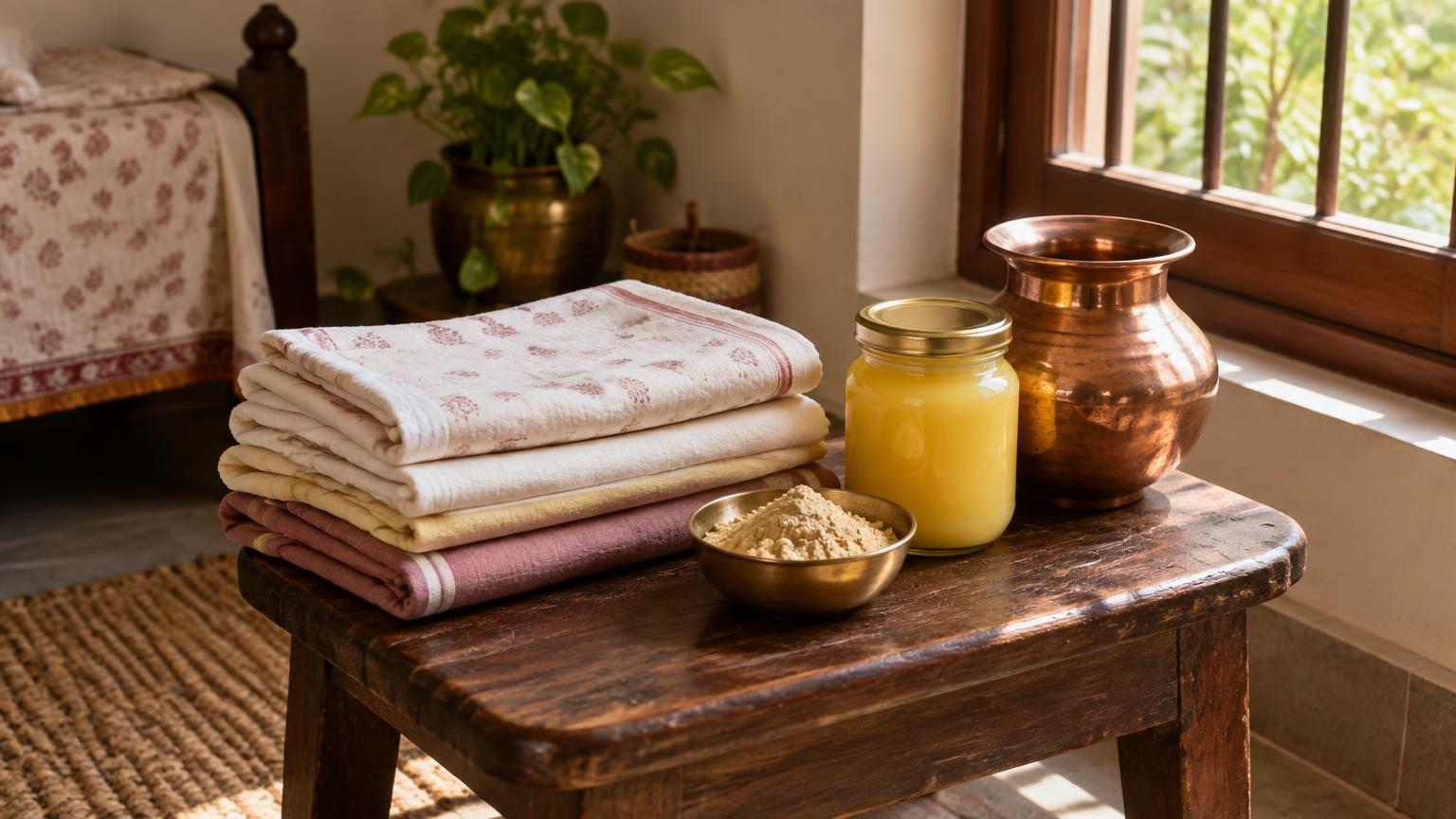
New Mothers and Infant Care: A Household Tradition
The weeks after birth were among the most organised periods in household life — and among the most important to read as culture rather than as guidance.
Continue exploring
Related on The Wisdom Jar
Remedy
Golden Milk for Winter Immunity
A warm, soothing nightly drink of turmeric, milk, and pepper to support immunity and rest.
Read moreIngredient
Turmeric
A warm, golden rhizome treasured for centuries as a kitchen healer for inflammation, immunity, and skin glow.
Read moreIngredient
Milk
Nourishing whole food — best taken warm with spices, never with salty foods.
Read moreRemedy
Warm Sesame Oil Self-Massage
An Ayurvedic-inspired morning routine to ease joint stiffness and ground the nervous system.
Read moreDaily Wellness
Golden Milk (Haldi Doodh)
Warm milk with turmeric, pepper and ghee — the classic nightcap.
Read moreDaily Wellness
Winter Warming Care
Oil massage, ghee, sesame, warming spices — feed the inner fire.
Read more