The roots — older than memory
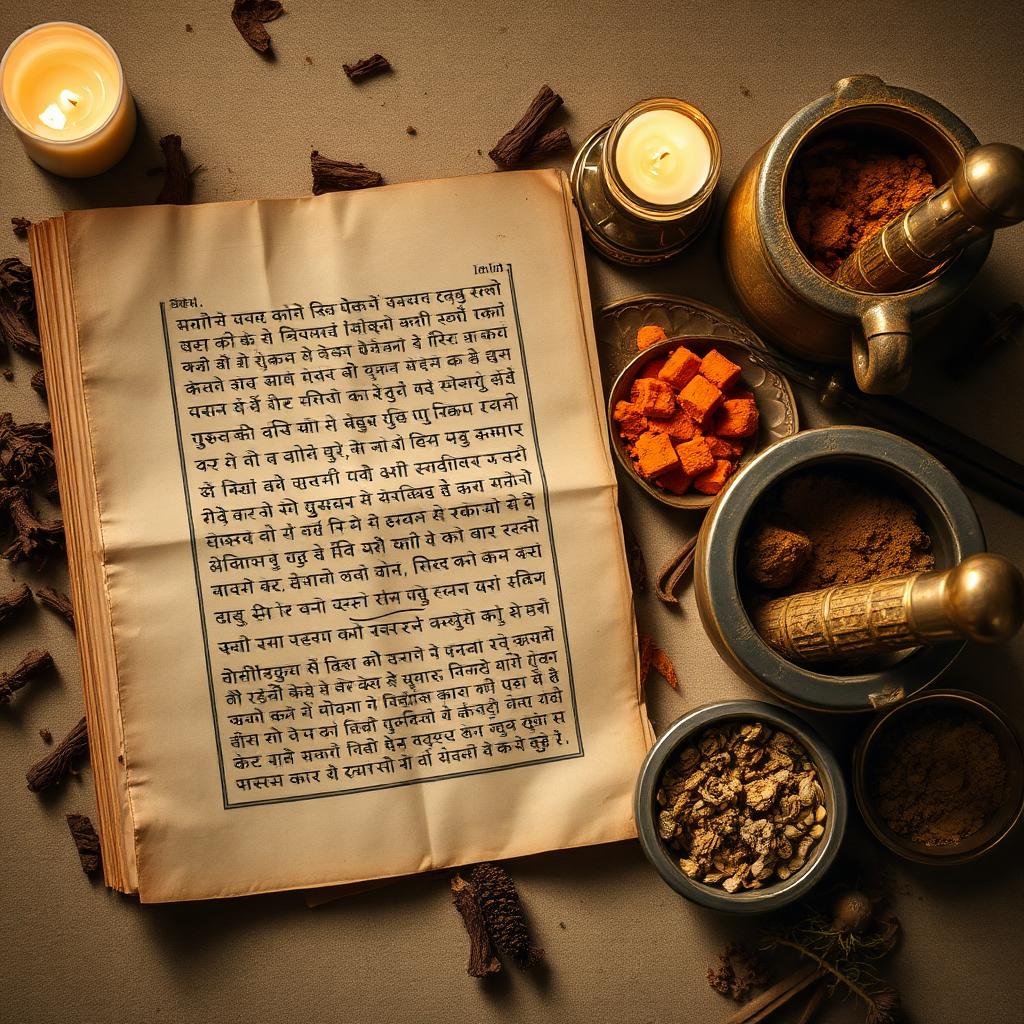
Long before clinics and pharmacies, healing lived in three places: the manuscript, the kitchen, and the festival. The earliest surviving texts of Ayurveda — the Charaka Samhita and Sushruta Samhita — were compiled more than two thousand years ago, but they recorded a practice that was already ancient: a system built on observing food, season, body type and breath.
The Atharva Veda, perhaps three thousand years older still, names herbs like tulsi, haldi (turmeric) and pippali. Practitioners called vaidyas walked from village to village treating people in exchange for grain and shelter. Their training was oral — student following teacher for twelve years before being allowed to prescribe.

Dadi's kitchen — the oral lineage
Most of what we call "traditional wisdom" never made it into a book. It was passed from dadi (paternal grandmother) and nani (maternal grandmother) to the next generation in fragments: the warning to never give a child cold water after fever, the spoon of ghee before bedtime in winter, the methi seed soak for a breastfeeding mother, the tying of kala dhaga (black thread) around a colicky baby's wrist.
Each region kept its own version. A Bengali grandmother reaches for kalonji (nigella seeds) where a Punjabi one reaches for ajwain. A Tamil household begins lunch with rasam where a Gujarati one begins with chaas. The remedy changes, but the principle — warm what's cold, cool what's hot, move what's stuck — stays the same.
Regional schools, one philosophy
- Kerala (Ayurveda): the most intact classical lineage, famous for panchakarma cleansing, medicated oils, and a strong monsoon-season therapeutic calendar.
- Tamil Nadu (Siddha): a parallel system attributed to the eighteen Siddhars, rich in mineral-based formulations and pulse diagnosis.
- North India (Unani): brought by Persian and Arab physicians around the 12th century, blended seamlessly with Ayurveda; built on the four humours and herbal-mineral compounds.
- Tibetan Sowa-Rigpa: still practised across Ladakh, Sikkim and Himachal, drawing on Indian, Chinese and indigenous Himalayan medicine.
- Folk traditions: tribal and village healers across India who work with hyper-local plants — these have quietly fed the formal systems for centuries.

Festivals as preventive medicine
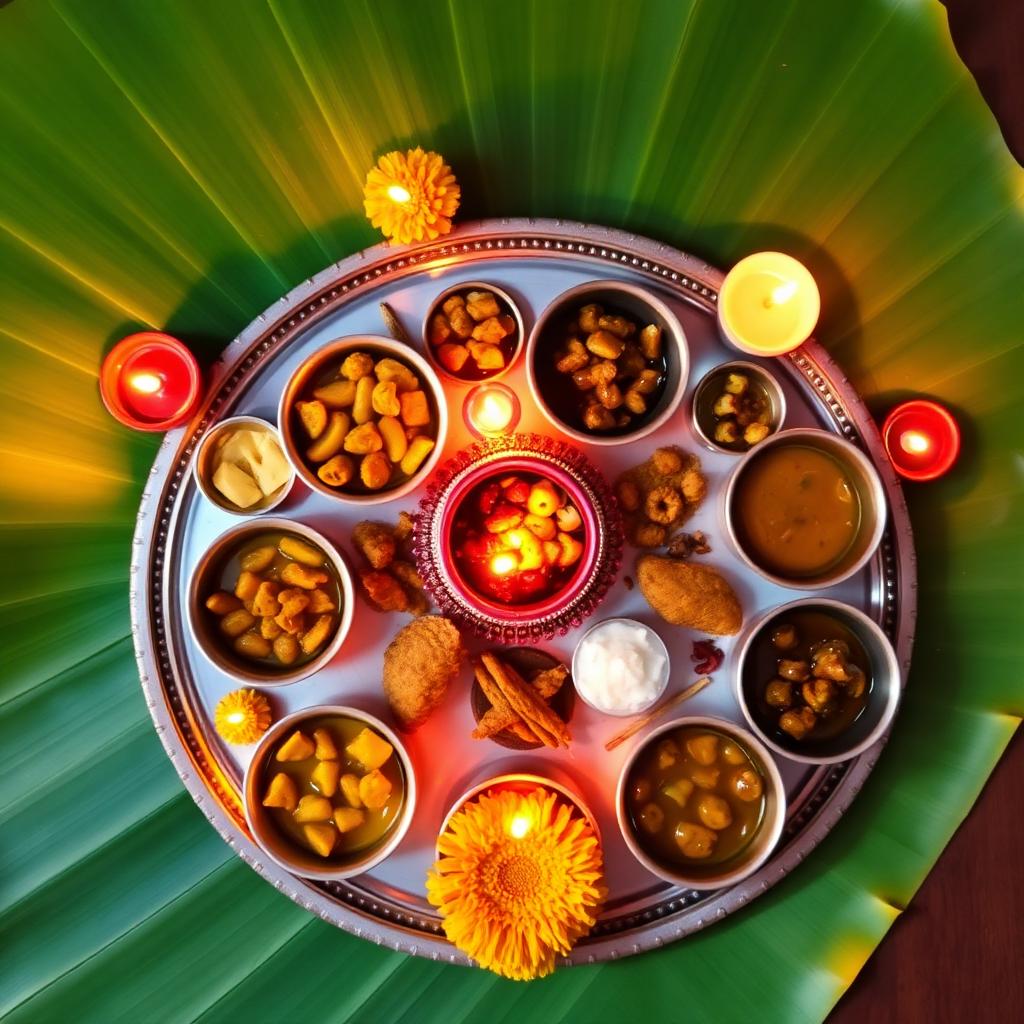
Indian festivals are an almanac of seasonal health hidden inside celebration. The foods, fasts and rituals line up almost perfectly with what the body needs at that point of the year.
- Makar Sankranti (January): sesame and jaggery laddoos warm a chilled body and replenish iron and calcium at the coldest point of the year.
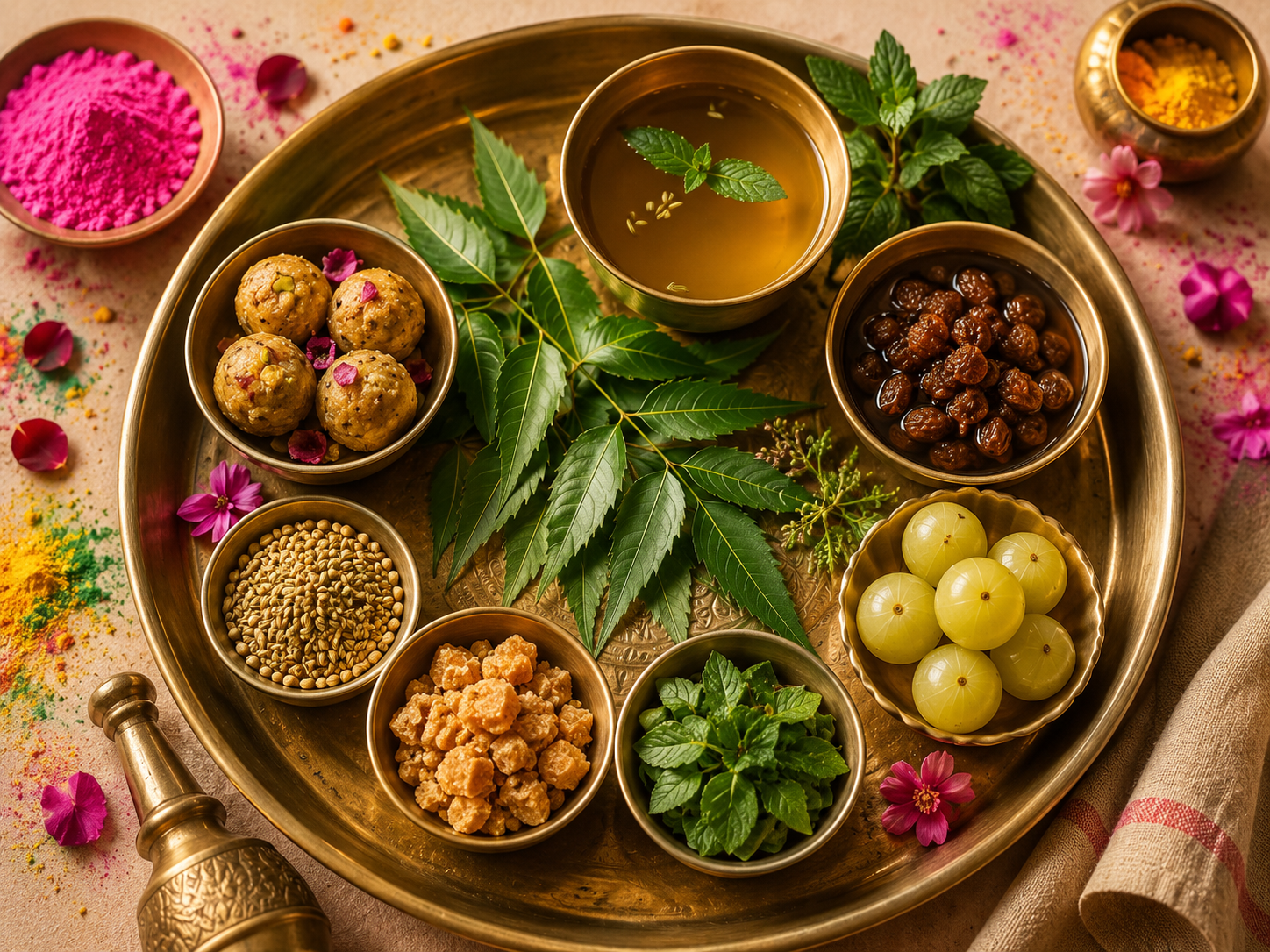
- Holi (March): bitter neem leaves and kanji cleanse the liver as winter kapha begins to liquefy and spring allergies appear.
- Akshaya Tritiya & summer fasts: light foods, sattu, buttermilk and tender coconut cool a body now ruled by pitta.
- Shravan (monsoon): the traditional avoidance of leafy greens and heavy proteins matches a season of waterborne disease and weak agni.
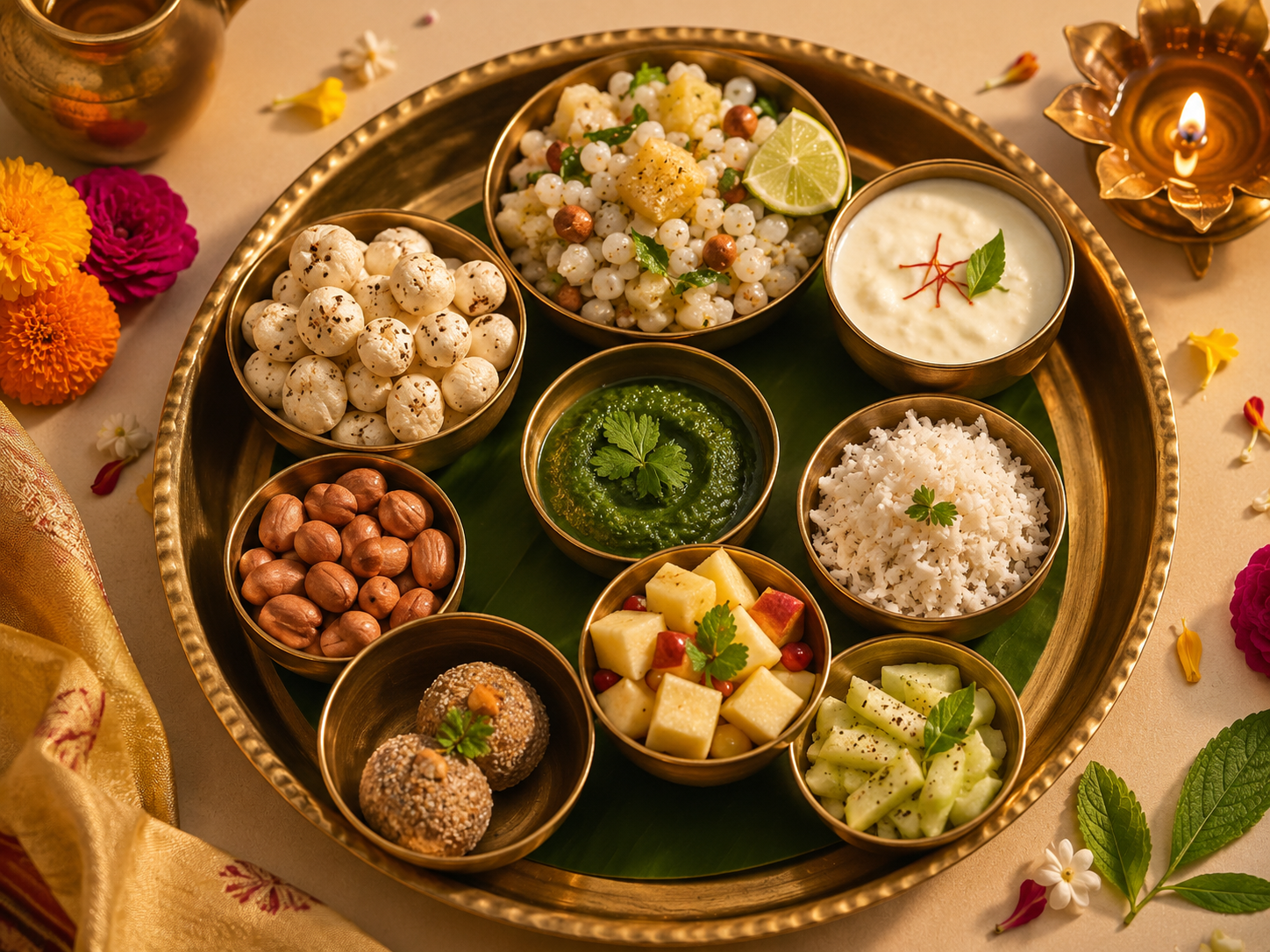
- Navratri (autumn): a nine-day mono-diet of fruit, milk, sama rice and rock salt — essentially an Ayurvedic gut reset before winter.
- Diwali to Sankranti: the richest, ghee-heaviest months of the food calendar, when the body's agni is at its strongest and can digest them.
Why it still matters
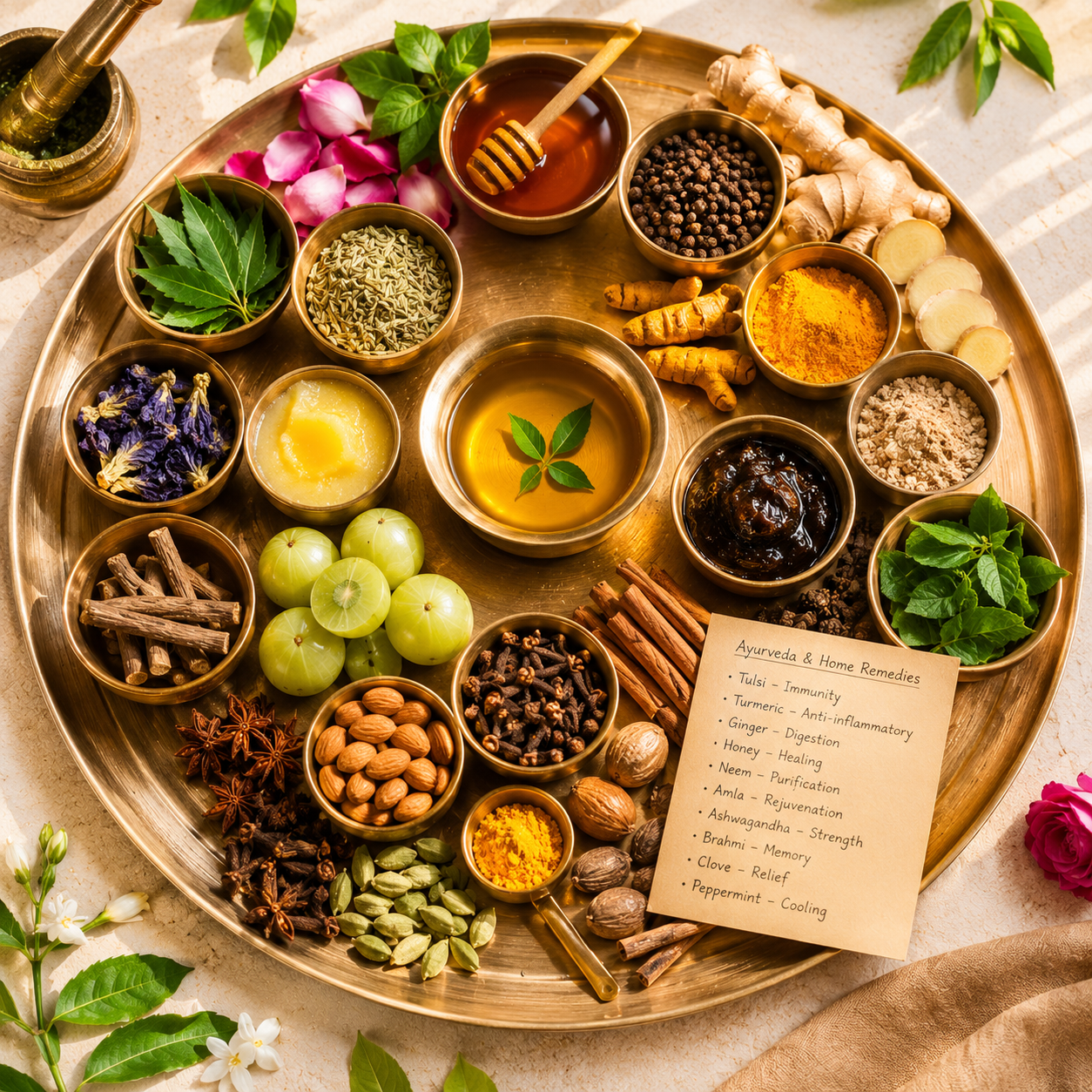
Modern research keeps catching up to what these traditions assumed: curcumin reduces inflammation, fenugreek modulates blood sugar, fermented foods reshape the microbiome, ashwagandha lowers cortisol. The wisdom is not anti-science — it is pre-science, built on careful observation over fifty centuries.
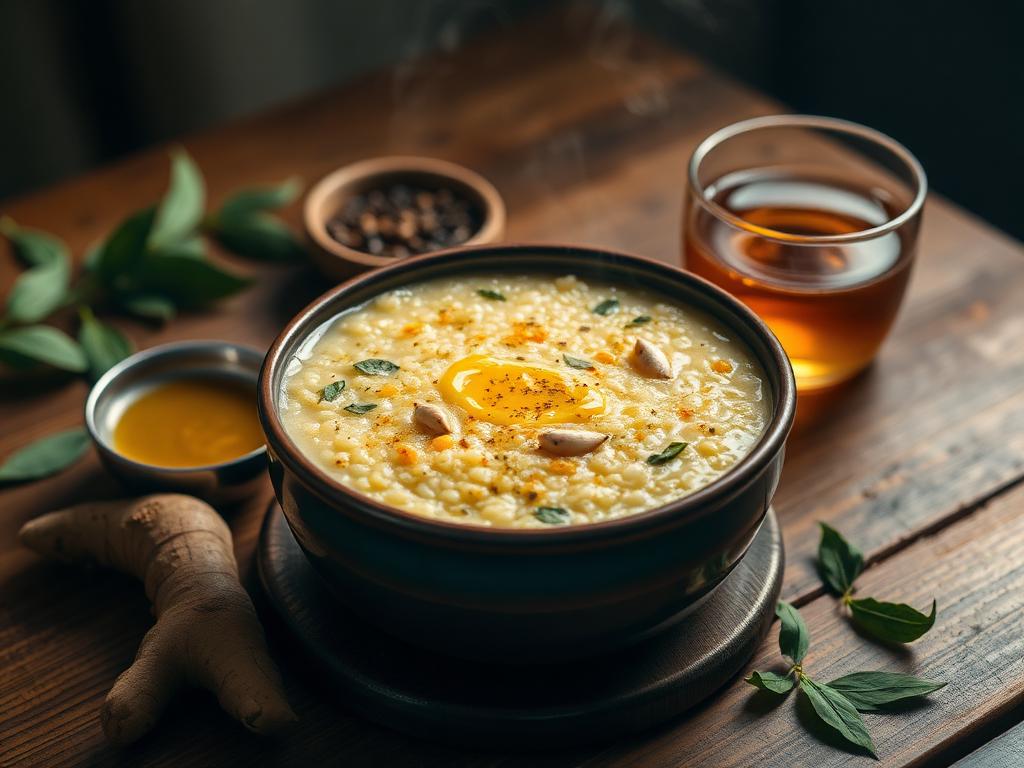
The Wisdom Jar exists to keep this lineage in everyday use: not as nostalgia, not as an alternative to medicine when medicine is needed, but as the gentle, daily practice it always was — a spoon of ghee, a cup of tulsi tea, a warm bowl of kitchari, a quiet evening walk after dinner.