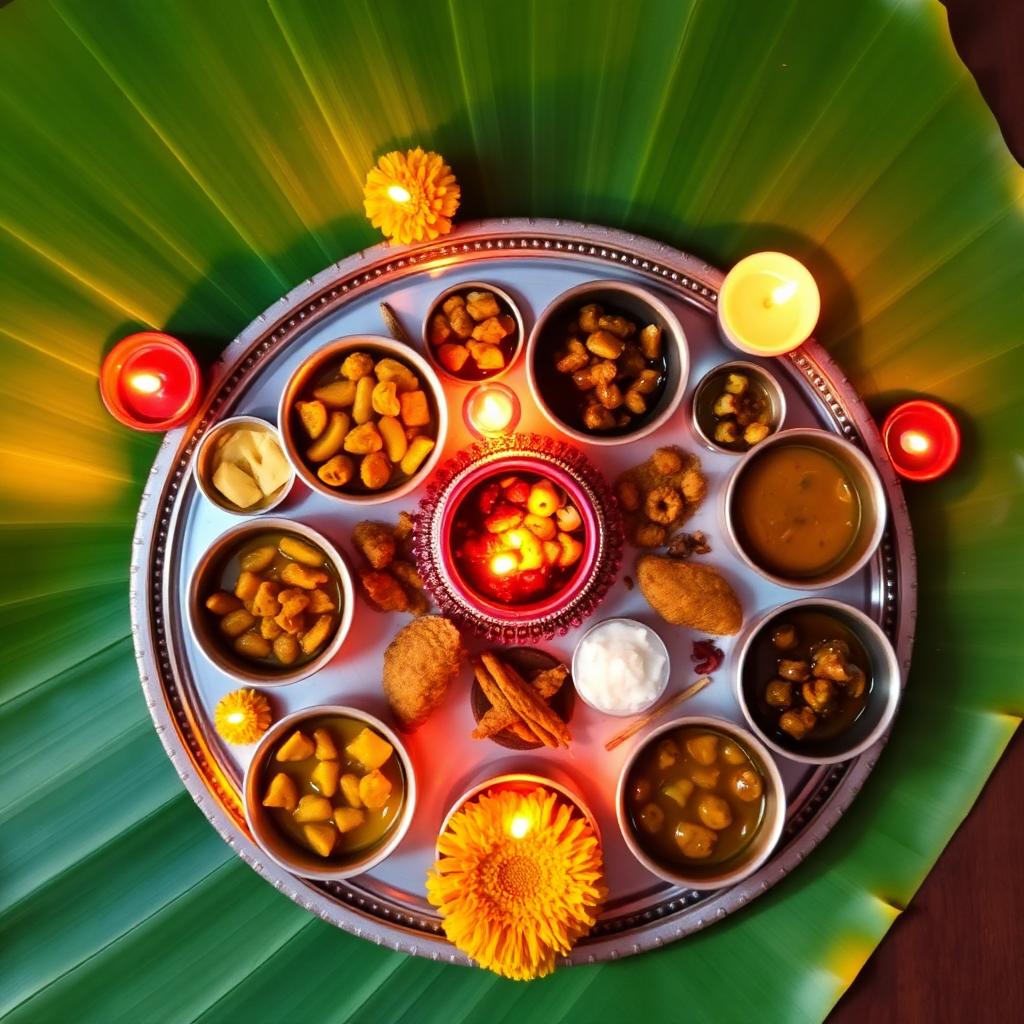
Festival Traditions
Diwali Foods: Light, Hospitality and the Autumn Kitchen
How sweets, savouries and shared trays mark Diwali across distinct Indian household traditions.
Diwali is observed through several religious and regional histories, including Hindu, Jain and Sikh commemorations, and its meanings are not identical everywhere. Across many homes, lamps, cleaning, visiting and the exchange of food turn the festival into a season of welcome rather than a single fixed menu.
Household preparation often begins with cleaning kitchens and storerooms, refreshing lamps and making foods that can be shared over several days. Mithai, dry-fruit preparations, chakli, chivda, mathri and regional savouries travel between neighbours and relatives; the balance of sweet and salty differs from Gujarat to Maharashtra, North India and the south.
Diwali commonly falls in the post-monsoon weeks as cooler weather begins across much of India. Ghee, sesame, jaggery, nuts and shelf-stable fried foods suit celebration, gifting and the practical need to prepare ahead, but this is cultural food history rather than a medical prescription.
What survives most strongly is the social rhythm: recipes made in batches, family specialities taught while hands are busy, and trays crossing household boundaries. Modern homes may buy more than they make, yet the acts of offering, visiting and keeping a guest-ready kitchen remain recognisable.
People managing allergies, diabetes or other dietary needs can take part without treating any particular sweet or ingredient as compulsory. Festival foods do not prevent illness or replace individual medical advice.
For the broader post-monsoon setting, see Seasonal Customs; regional kitchens are explored separately in Regional Wisdom.
More from Festival Traditions
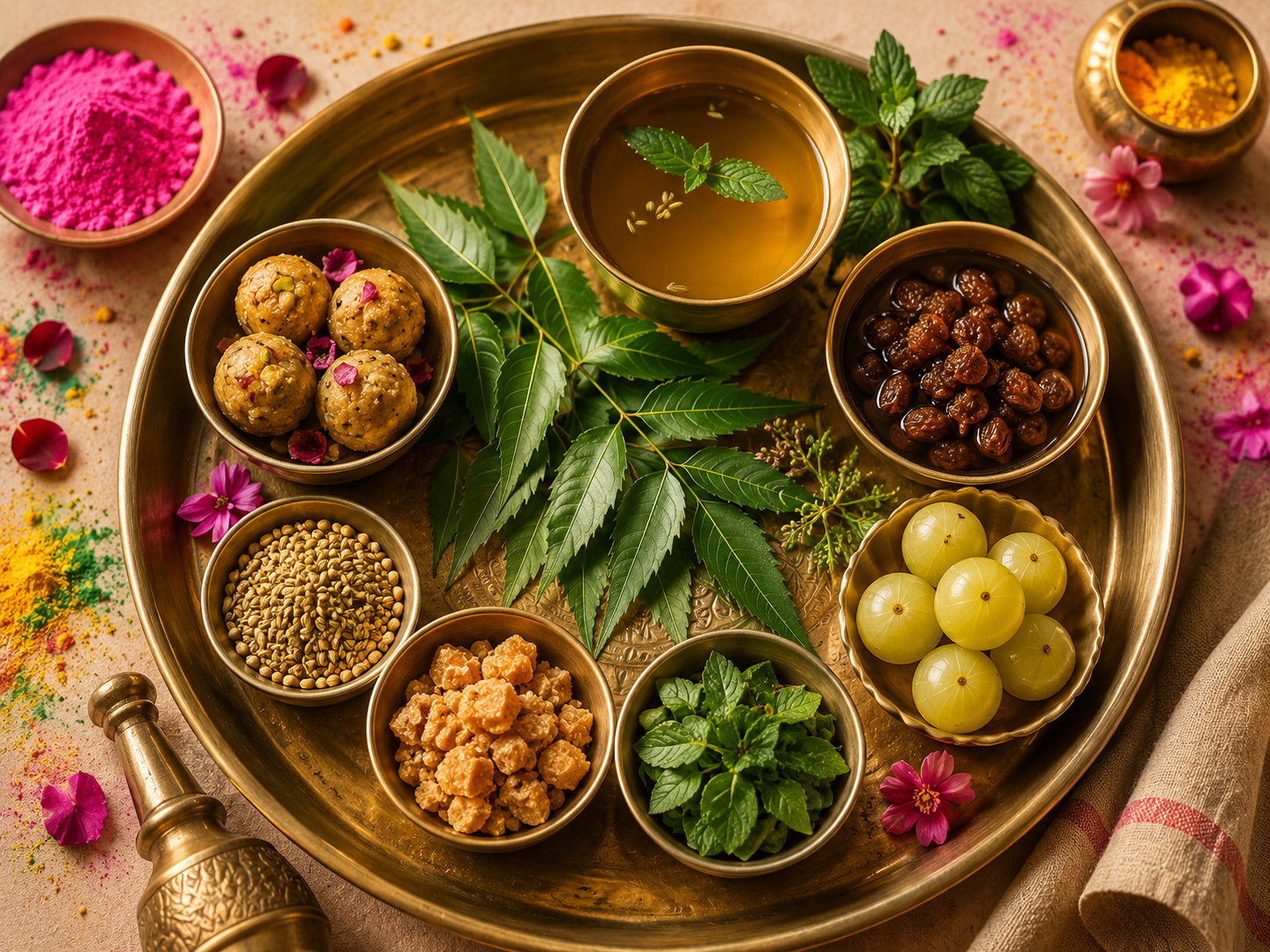
Holi, Spring Foods and the Changing Kitchen
Neem, kanji, gujiya and regional spring foods around a festival of colour and renewal.
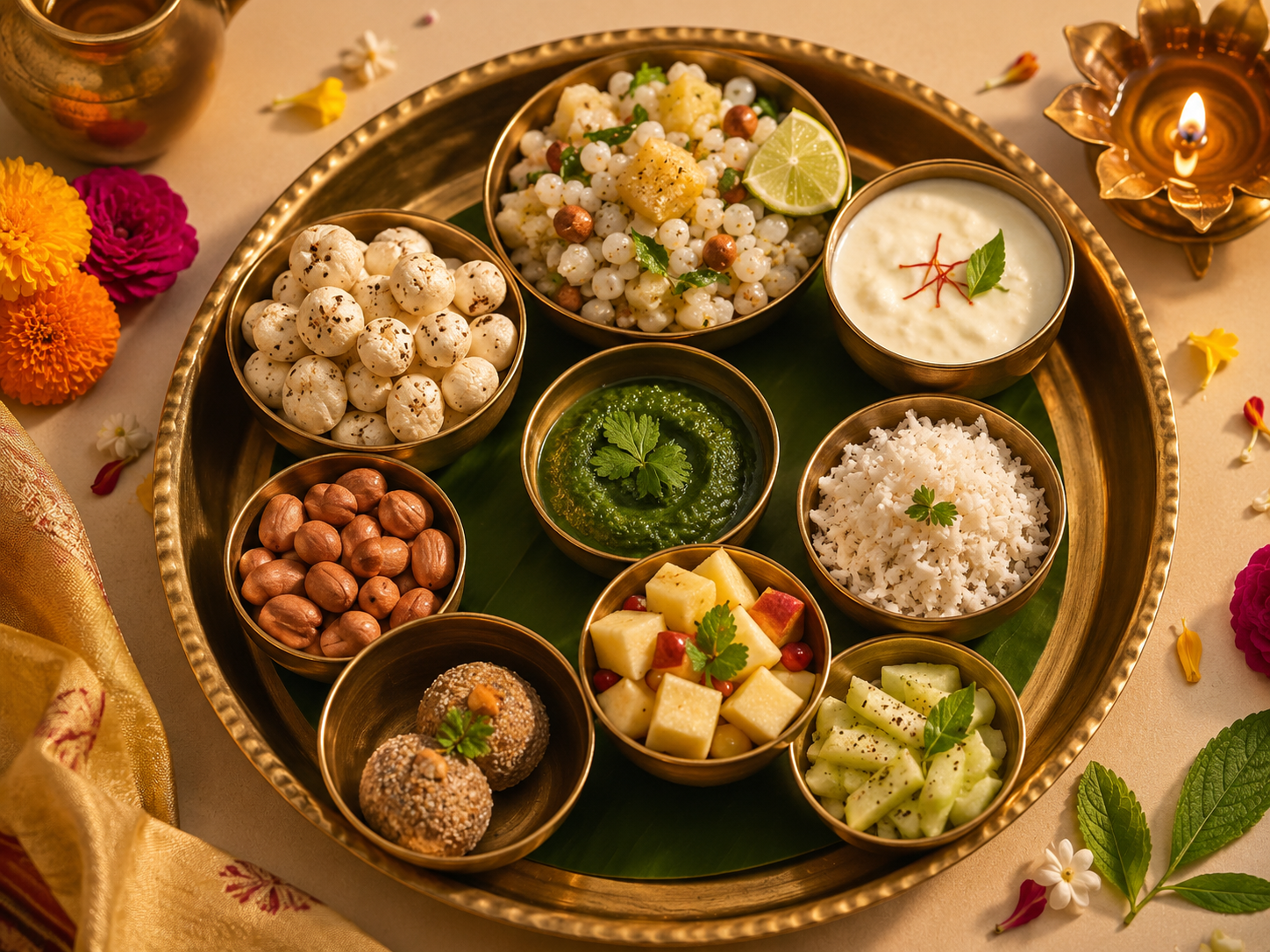
Navratri Food Traditions Across Indian Homes
How devotion, regional calendars and household fasting foods shape the nine nights without turning them into a health prescription.
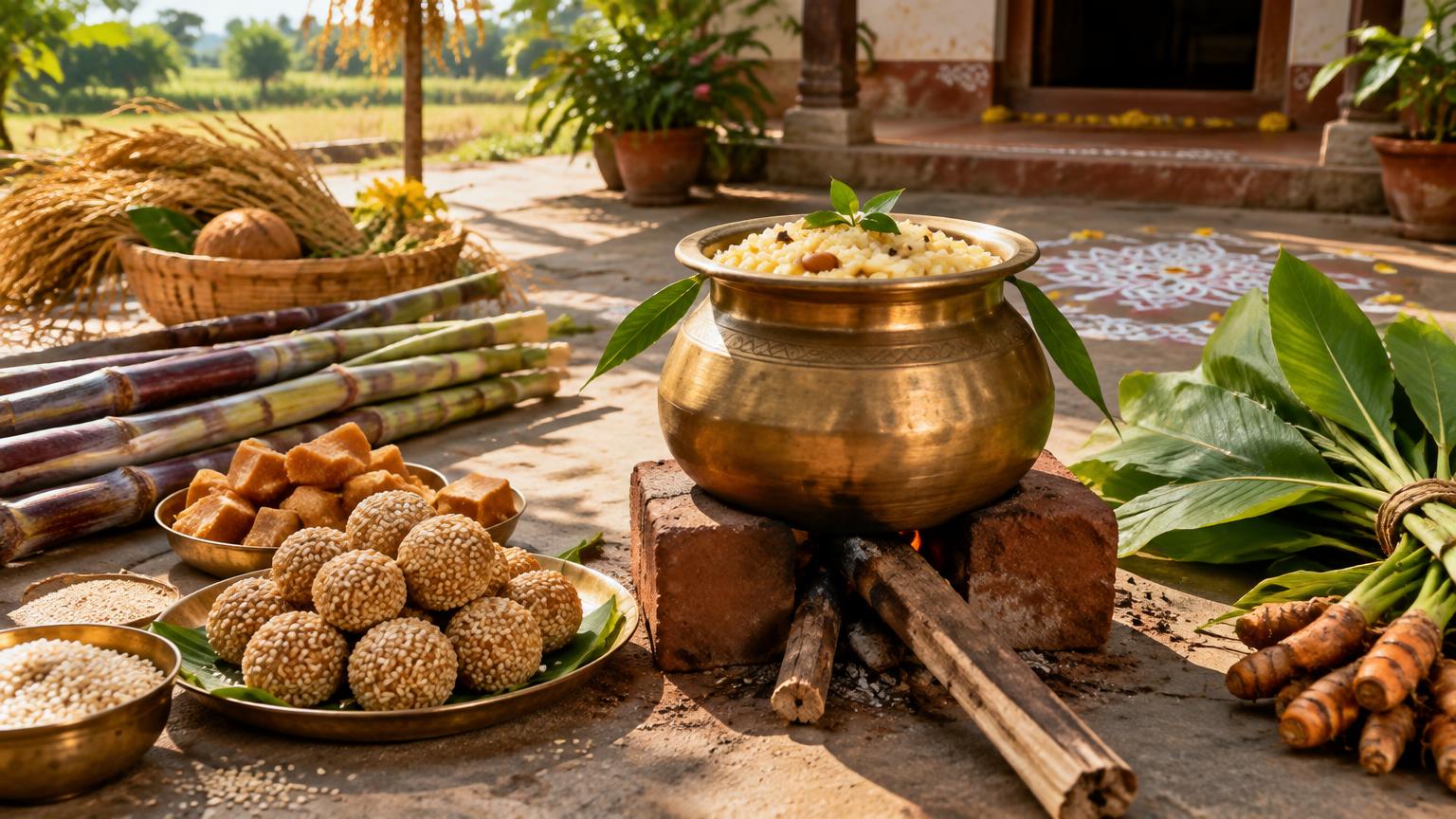
Makar Sankranti & Pongal: Many Harvests, Many Kitchens
Sesame and jaggery, newly harvested rice and sugarcane across distinct mid-January celebrations.
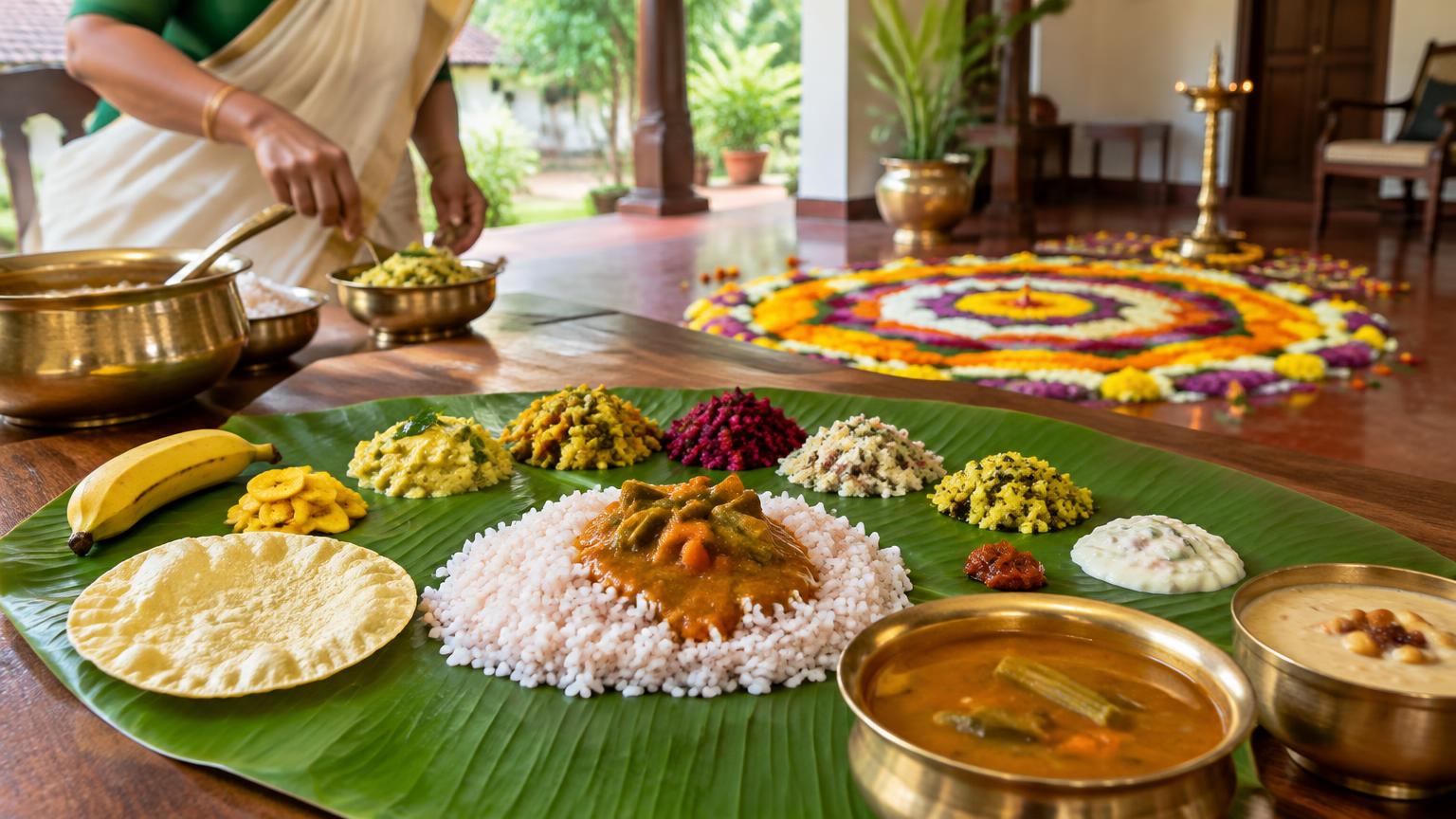
Onam: Sadya, Homecoming and Kerala's Harvest Memory
The many-dish banana-leaf meal, floral courtyards and household labour behind Kerala's shared festival.
Continue exploring
Related on The Wisdom Jar
Ingredient
Almonds
Soaked almonds are a classic brain and skin tonic.
Read moreIngredient
Ghee (Clarified Butter)
Golden clarified butter — Ayurveda's prized carrier of herbs and nourisher of tissues.
Read moreRemedy
Golden Milk for Winter Immunity
A warm, soothing nightly drink of turmeric, milk, and pepper to support immunity and rest.
Read moreRemedy
Ginger-Tulsi Decoction for Cough & Cold
A simple kitchen kadha that soothes scratchy throats and clears mild congestion.
Read moreDaily Wellness
Warm Water on Waking (Ushapan)
A simple, ancient cue that wakes digestion and gently flushes the system.
Read moreDaily Wellness
Tongue Scraping
Remove the overnight coating in 30 seconds — taste, breath and digestion improve.
Read more