Golden Milk
Warm milk simmered with turmeric and a pinch of black pepper, sipped in the evening.
Also known as: Haldi doodh, Turmeric milk, Turmeric golden milk, Golden milk with pepper
Overview
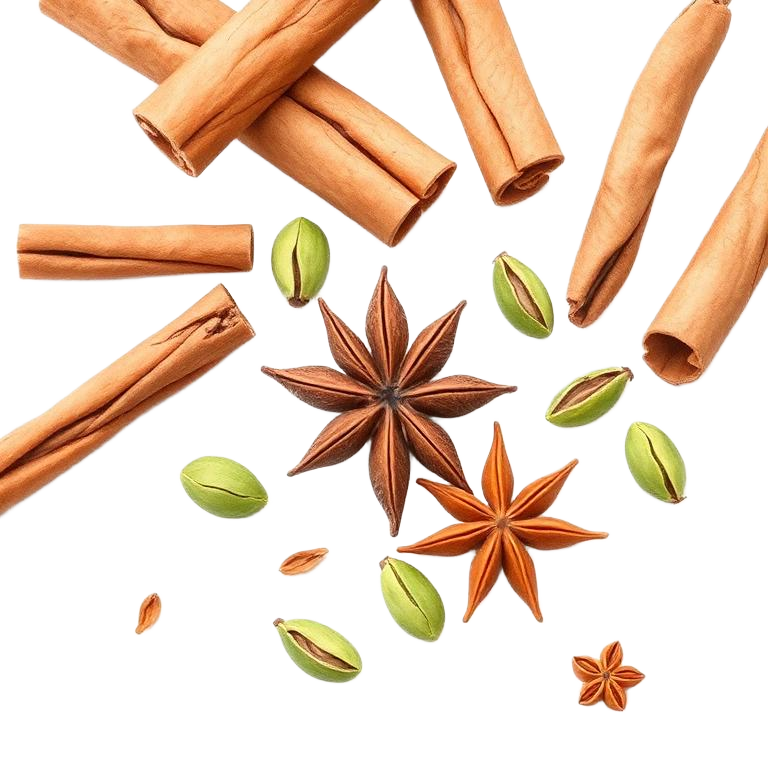
A long-standing household drink across India. Turmeric is warmed into milk (dairy or plant) with a small pinch of black pepper, and sometimes ginger or cardamom. It is taken as a comforting evening drink during cold weather or after a tiring day.
Traditionally used for: Seasonal comfort drink during cold, damp weather and for general everyday wellbeing.
What Your Body May Be Signaling
Concern links already associated with this remedy in the Wisdom Jar library.
Seasonal resilience
Also described as: low-immunity, low immunity, immunity, seasonal discomfort
Occasional sleep difficulty
Also described as: insomnia, poor sleep, occasional sleep difficulty, sleep difficulty
Muscle soreness and cramps
Also described as: muscle-soreness, muscle soreness, occasional muscular discomfort, external massage
What You Can Try
What May Worsen It / Safety Essentials
This is a comfort drink, not a treatment. If you take blood thinners or diabetes medicines, speak to your doctor before drinking it regularly. Never stop or change a prescribed medicine on your own.
Who should avoid it
- People with gallstones or bile-duct problems
- People awaiting surgery
- Anyone with a known turmeric or dairy allergy
Medicine interactions
- Blood-thinning medicines such as warfarin
- Diabetes medicines
- Stomach-acid reducing medicines
Pregnancy and breastfeeding: Culinary amounts in food are customary; do not take concentrated turmeric supplements in pregnancy without asking your doctor.
Children: Use a much smaller pinch of turmeric for children and never give to infants under 1 year.
When to Seek Medical Advice
- Skin rash or itching after drinking
- Stomach pain or nausea
- Unusual bruising or bleeding
What does the evidence say?
Traditional use
This entry rests on traditional and household use recorded over generations, not on clinical trials. Treat it as cultural and educational information.