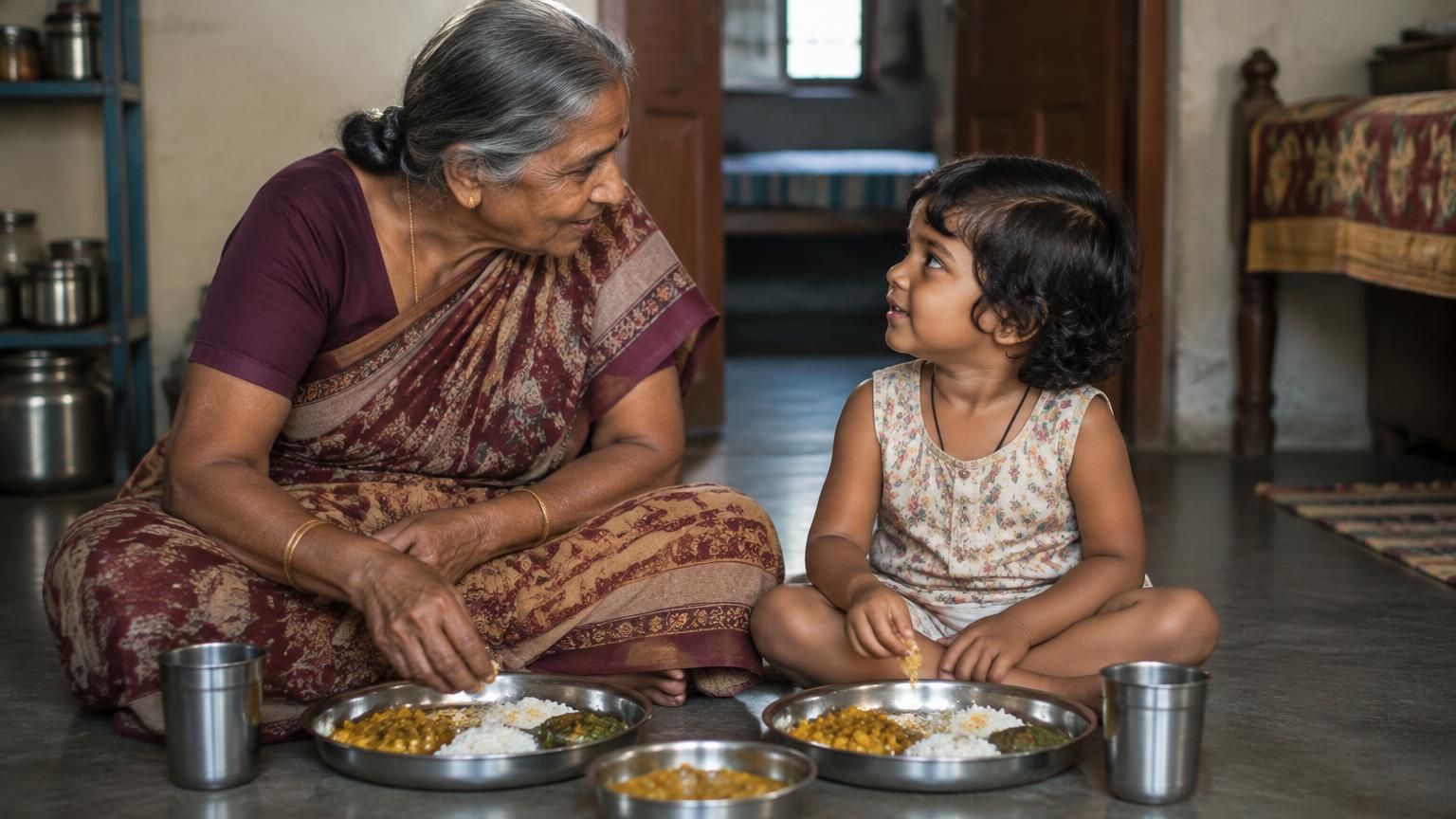
Grandmother's Wisdom
What Children Were Told, and Why
Short warnings, rhymes and stories carried household rules to children long before anyone explained the reasoning — if it was ever explained at all.
Children received household knowledge in a compressed form: short instructions, warnings, rhymes, and stories with a rule inside them. Do not go out with wet hair. Do not sleep right after eating. Do not sit in the draught. Finish the food on your plate. Wash your feet before coming in. The instruction arrived without justification, because a rule a child can repeat travels further than a reason a child cannot follow.
Some of these instructions encoded plain practical concerns of the time — hygiene in households with animals and unpaved yards, the risk of the open flame or the well, food scarcity that made waste serious, and keeping small children where adults could see them. Others carried ritual or social meaning: what to touch, what to eat with which hand, what to say before eating, when to be quiet. In many households the two kinds were spoken in the same tone, which is why they were remembered together.
Storytelling did a lot of the work. Grandmothers were often the household's storytellers, and cautionary figures, moral tales and local legends attached rules to memorable images. Older children then repeated the rules to younger ones, which is how instructions spread sideways as well as downwards.
The result is a distinctive kind of inheritance: adults across India carry vivid childhood instructions whose reasons they never learned, and which they may repeat to their own children with the same certainty. Some hold up as ordinary common sense, some were specific to a way of living that no longer exists, and some were simply local belief.
They survive strongly in speech and in habit. Read them as cultural memory and as parenting history rather than as health rules, and take anything concerning a child's health, feeding or development to a paediatrician.
More from Grandmother's Wisdom
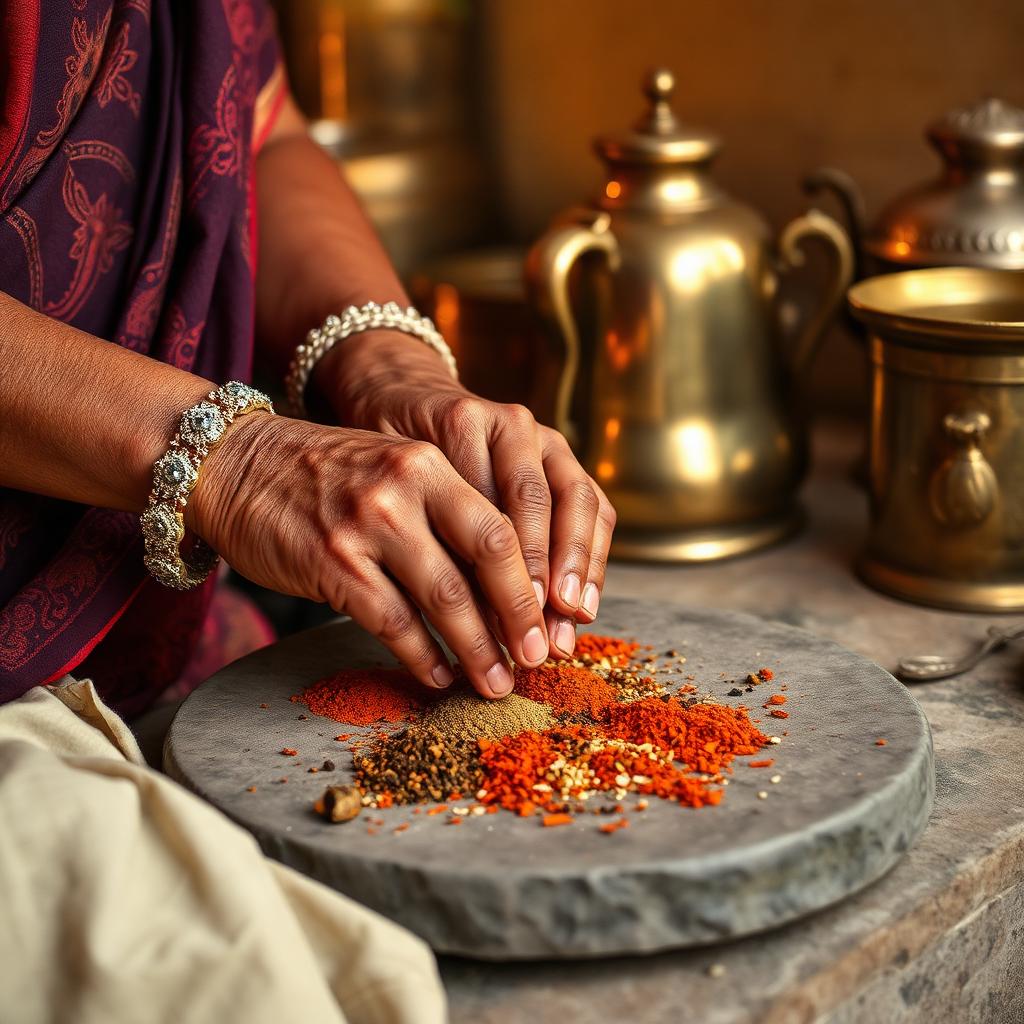
Who Taught Whom: Dadi, Nani and the Household Line
Household knowledge rarely came from one person. It arrived through a specific chain of relatives, neighbours and elders — and who taught whom shaped what survived.
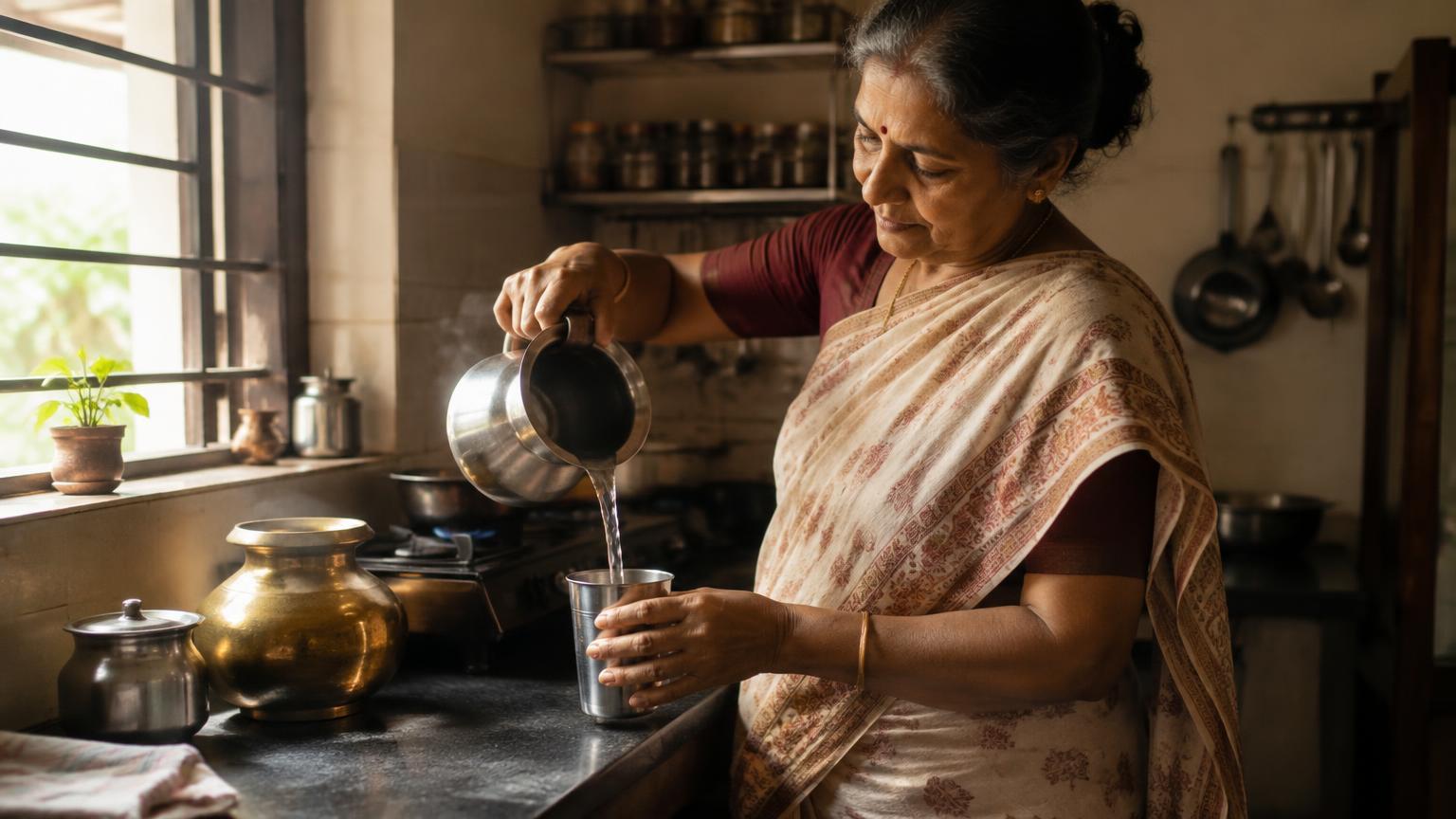
The Daily Household Rhythm
Morning, meals, evening, bedtime — the fixed shape of a household day carried most of its health knowledge without ever naming it as such.
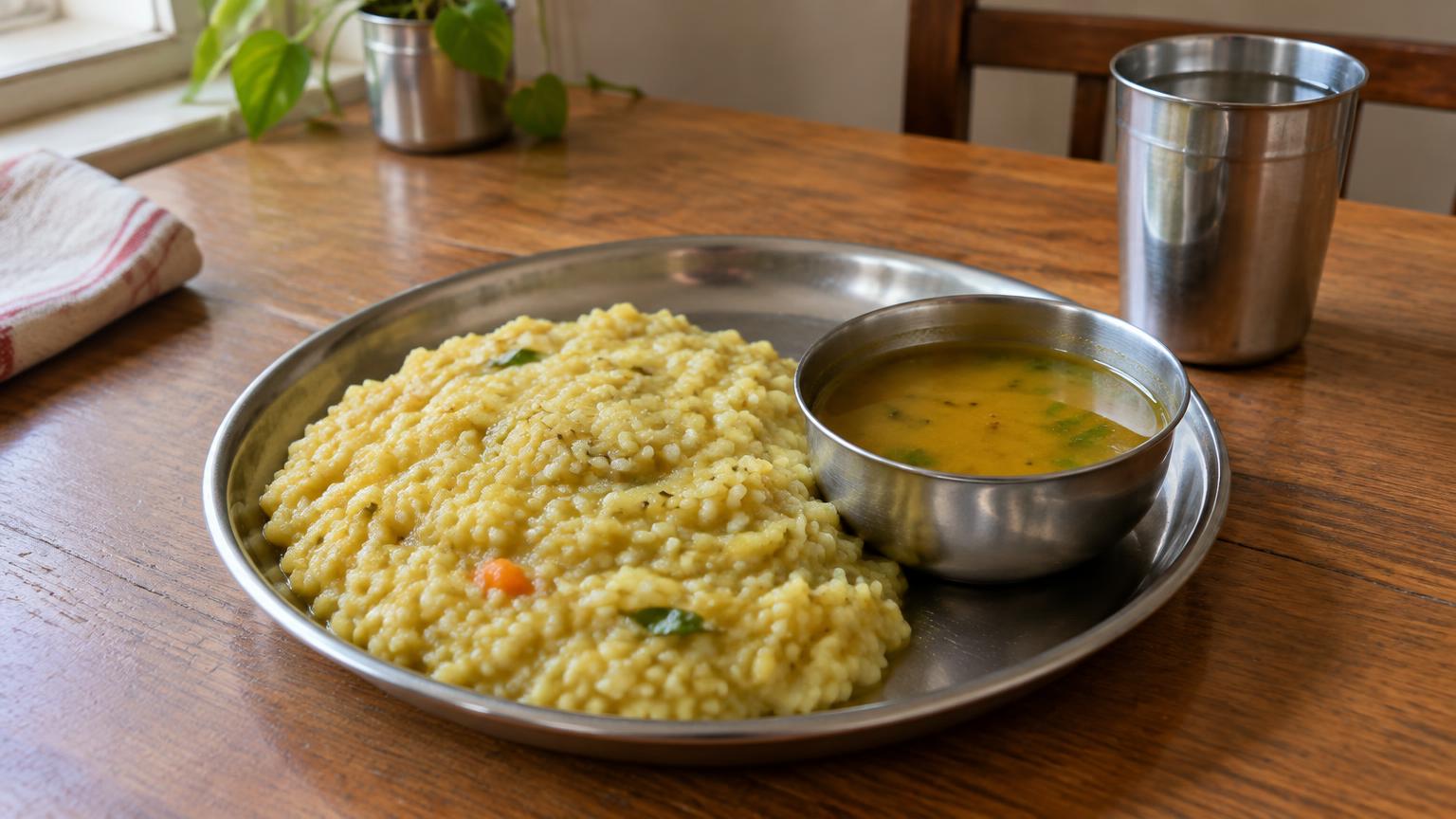
Feeding Someone Who Was Unwell
Every household had a separate way of cooking for the sick and the recovering — simpler, softer, and watched closely by whoever was in charge.
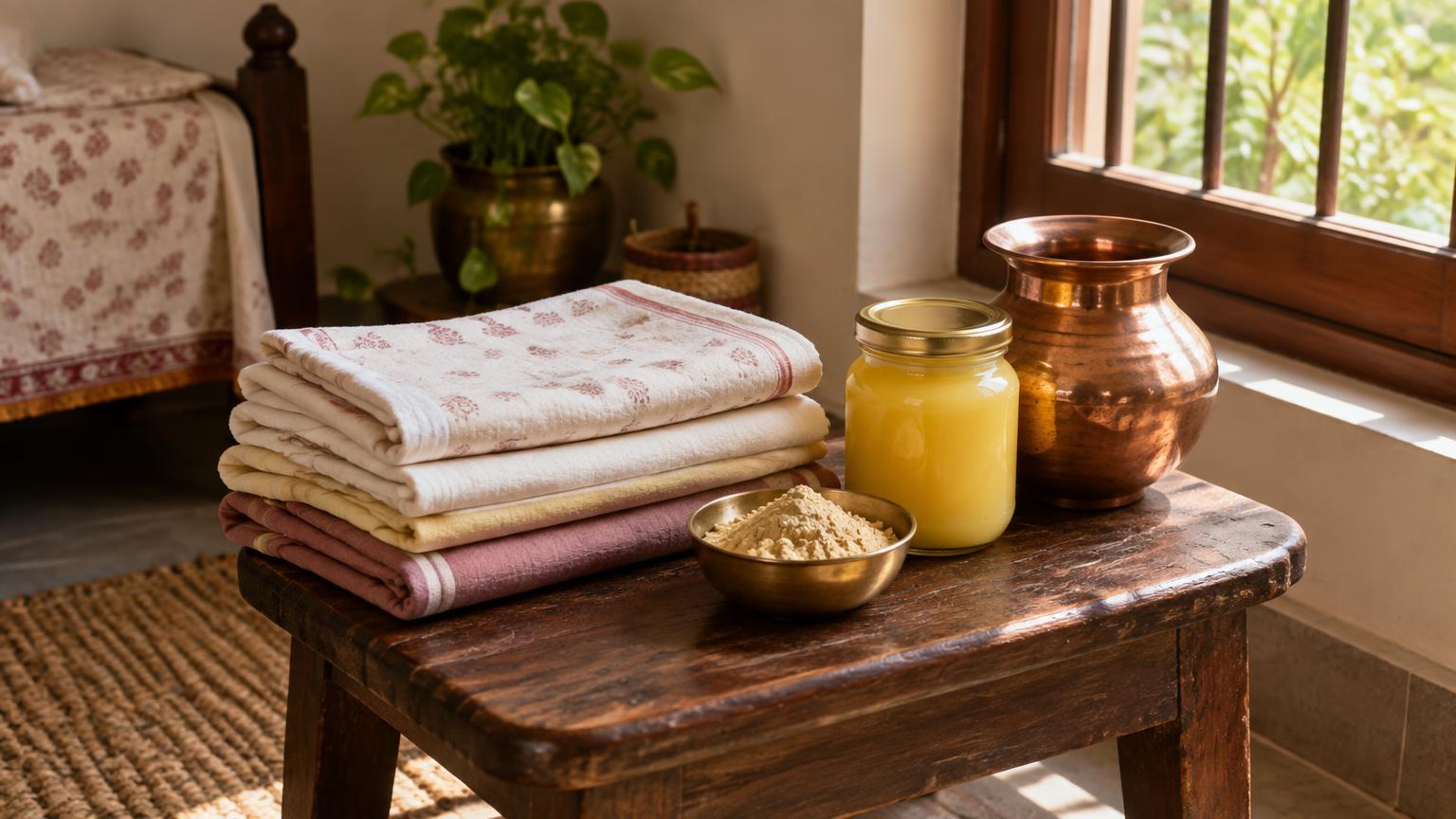
New Mothers and Infant Care: A Household Tradition
The weeks after birth were among the most organised periods in household life — and among the most important to read as culture rather than as guidance.
Continue exploring
Related on The Wisdom Jar
Ingredient
Turmeric
A warm, golden rhizome treasured for centuries as a kitchen healer for inflammation, immunity, and skin glow.
Read moreIngredient
Ginger
A pungent, warming root used worldwide for nausea, digestion, and respiratory comfort.
Read moreRemedy
Golden Milk for Winter Immunity
A warm, soothing nightly drink of turmeric, milk, and pepper to support immunity and rest.
Read moreRemedy
Ginger-Tulsi Decoction for Cough & Cold
A simple kitchen kadha that soothes scratchy throats and clears mild congestion.
Read moreDaily Wellness
Warm Water on Waking (Ushapan)
A simple, ancient cue that wakes digestion and gently flushes the system.
Read moreDaily Wellness
Tongue Scraping
Remove the overnight coating in 30 seconds — taste, breath and digestion improve.
Read more