Grandmother's Wisdom
The Daily Household Rhythm
Morning, meals, evening, bedtime — the fixed shape of a household day carried most of its health knowledge without ever naming it as such.
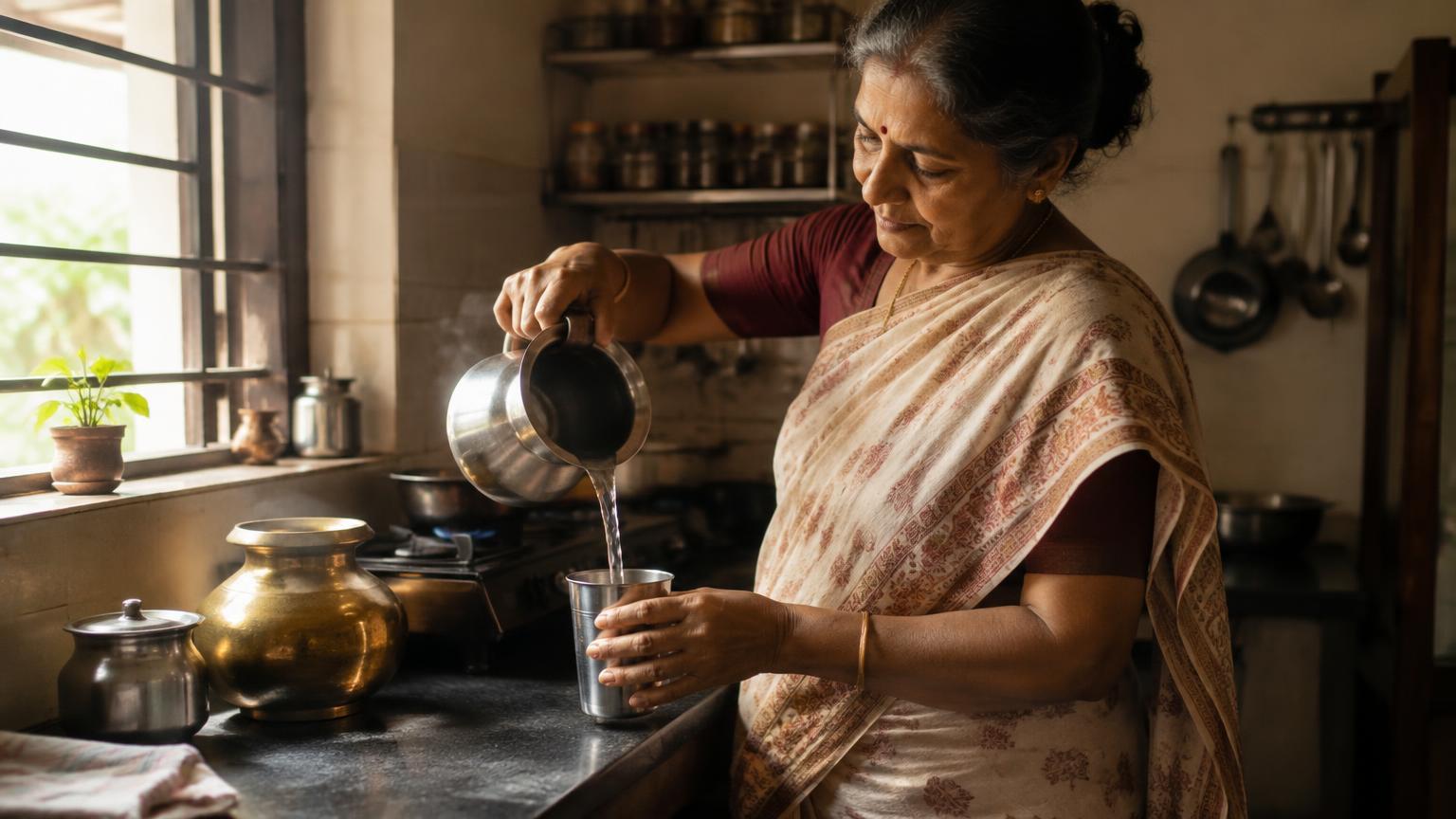
Very little household health knowledge was delivered as advice. Most of it was simply the shape of the day. Waking before or around sunrise, the first drink of the morning, oiling and bathing on particular days, a fixed order of meals with the heaviest one at midday, an early and lighter evening meal, and a settled bedtime — these were the containers into which everything else was poured. Elders enforced the rhythm far more consistently than they enforced any single remedy.
The reasons were as practical as they were cultural. Kitchens ran on wood, coal or kerosene and one or two flames, so cooking had to be sequenced. Water was collected or stored rather than always running. Milk arrived fresh and had to be boiled and used. Light was expensive after dark. Households were large, so meals ran in sittings and the day had to start early for anyone to eat on time. Religious observance added its own fixed points: bathing before prayer, cooking before an offering, eating after it.
The rhythm also encoded care. A person who had not eaten, not slept or not bathed was noticed quickly, because the household's timetable made deviation visible. Much of what we would now call monitoring happened this way — through attendance at meals rather than through questions.
Regional and religious variation ran through all of it. Coffee at dawn in much of the south, tea in much of the north and east, sehri and iftar timings during Ramadan, fasting days that removed a meal entirely, and agricultural households whose day followed the field rather than the clock. Seasonal Customs and Festival Traditions cover those shifts in detail.
What survives today is mostly partial: the early morning drink, the insistence on a proper midday meal in many homes, the discomfort many people feel eating very late. The rest has been rearranged by commutes, shift work and school timetables. Treat the old rhythm as social and practical history rather than a health prescription, and take any concern about sleep, appetite or digestion to a qualified professional.
More from Grandmother's Wisdom
Who Taught Whom: Dadi, Nani and the Household Line
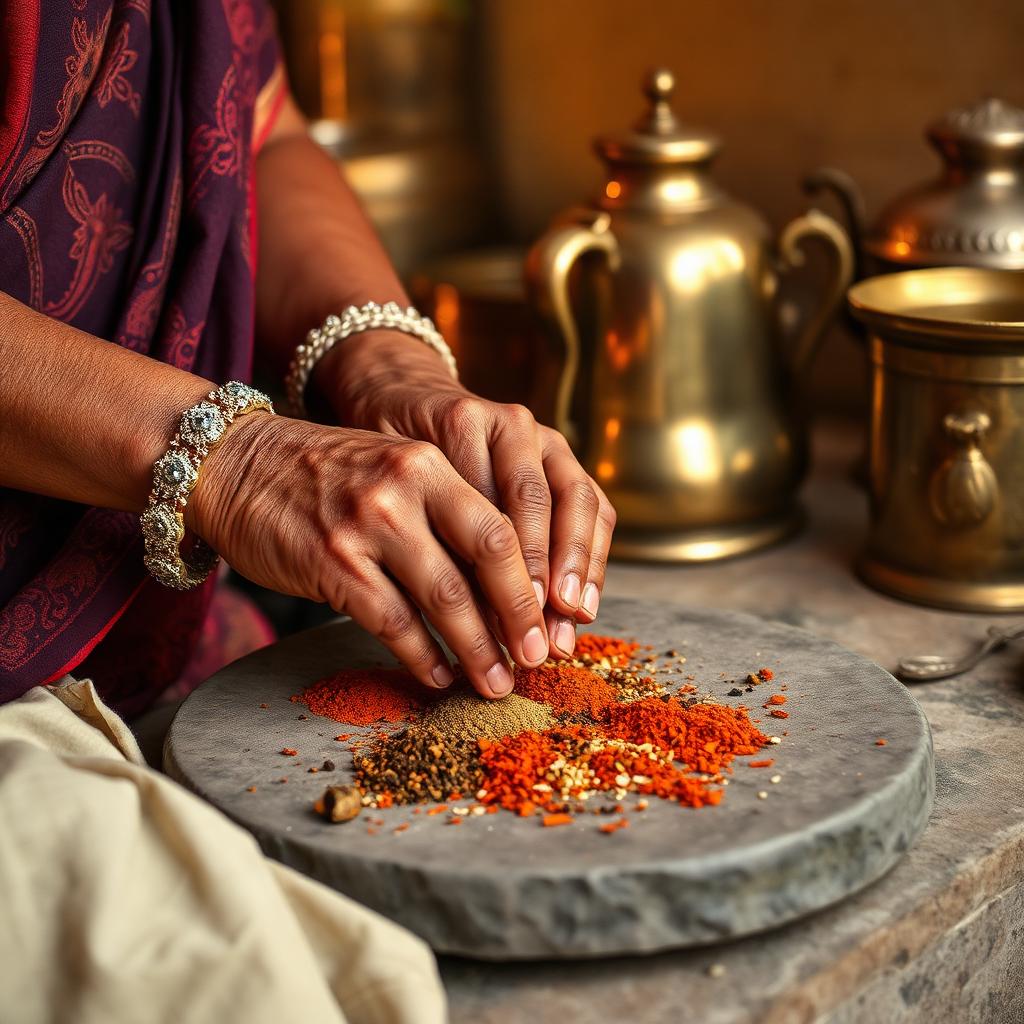
Household knowledge rarely came from one person. It arrived through a specific chain of relatives, neighbours and elders — and who taught whom shaped what survived.
Feeding Someone Who Was Unwell
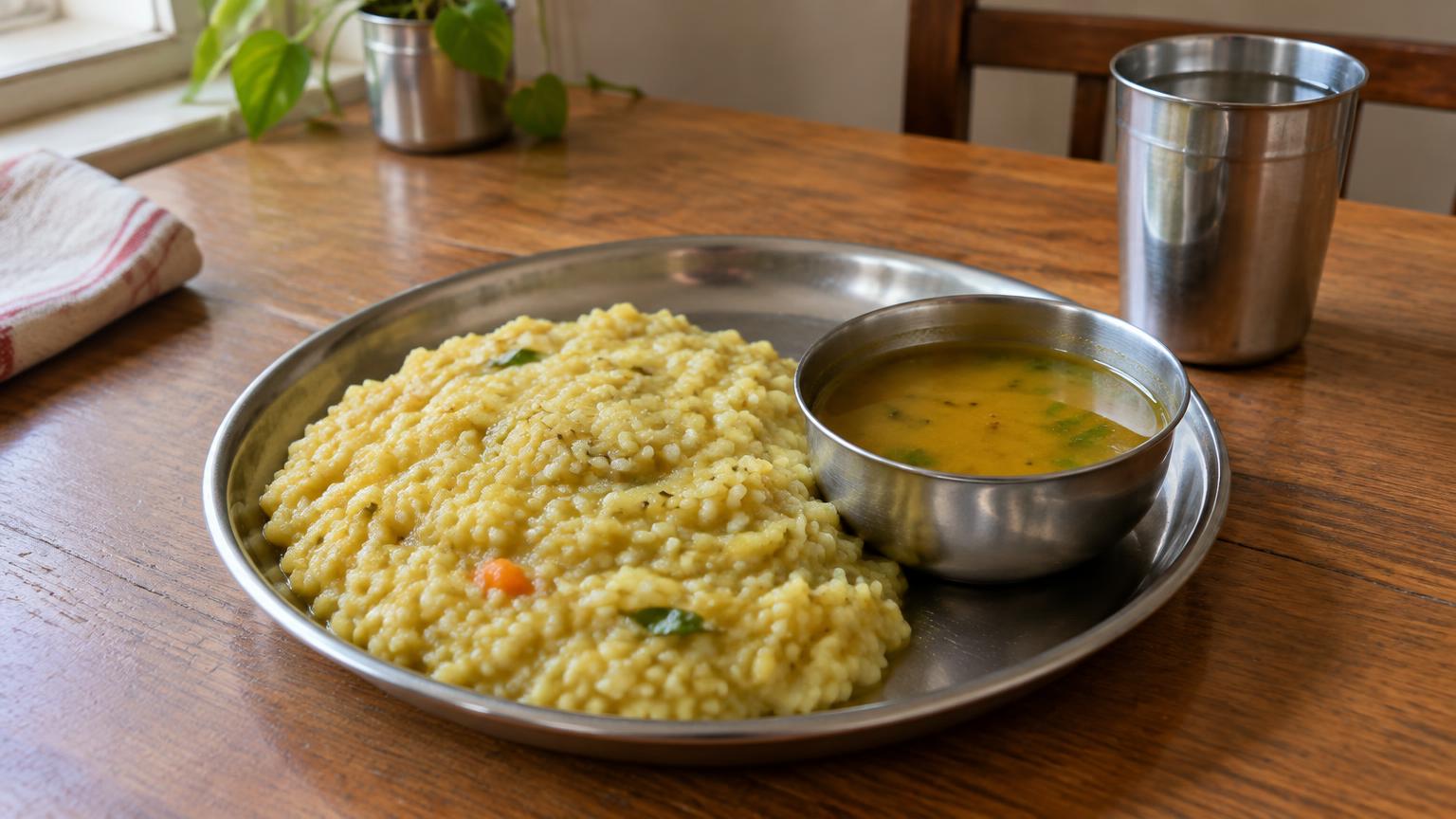
Every household had a separate way of cooking for the sick and the recovering — simpler, softer, and watched closely by whoever was in charge.
New Mothers and Infant Care: A Household Tradition
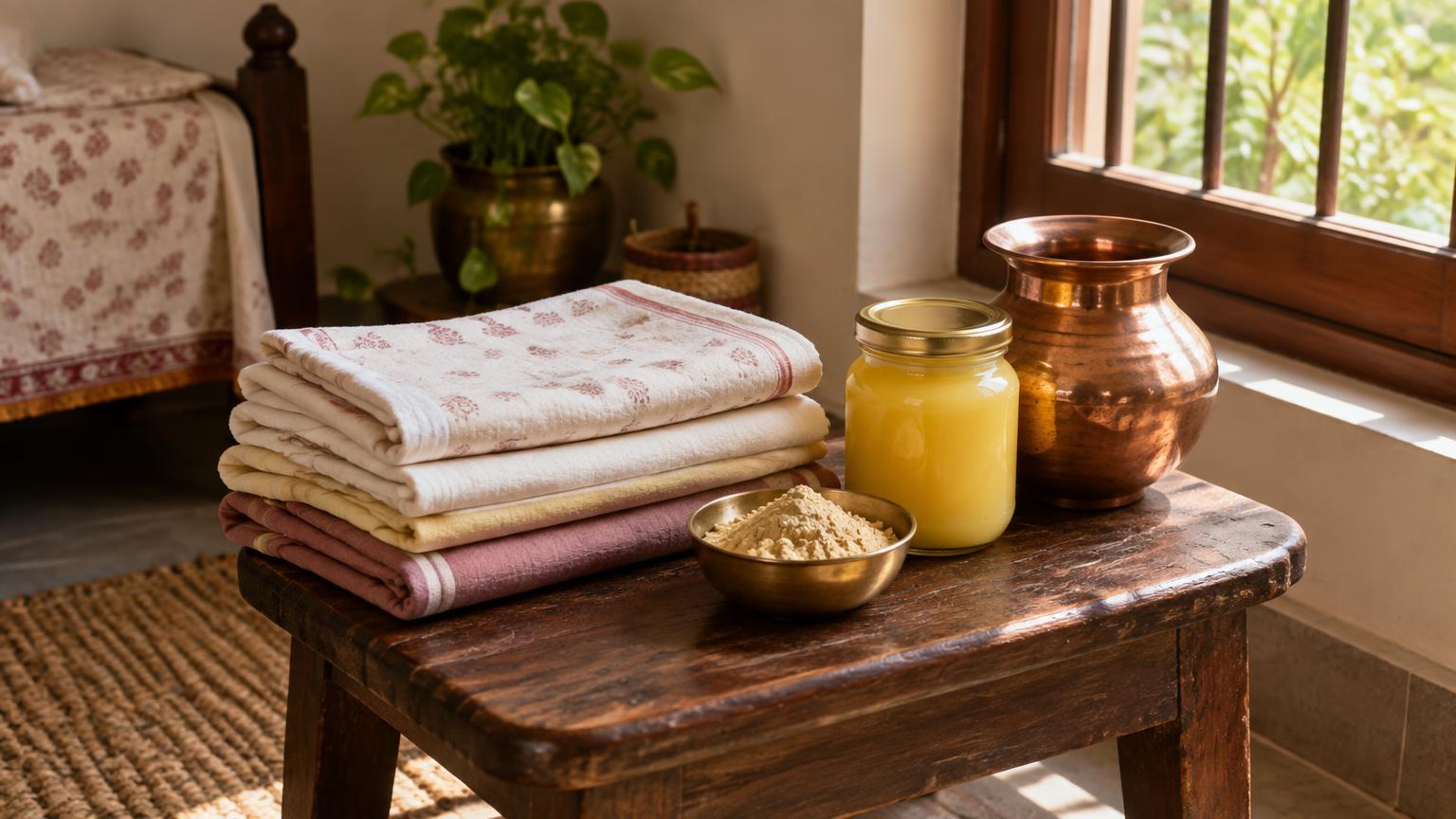
The weeks after birth were among the most organised periods in household life — and among the most important to read as culture rather than as guidance.
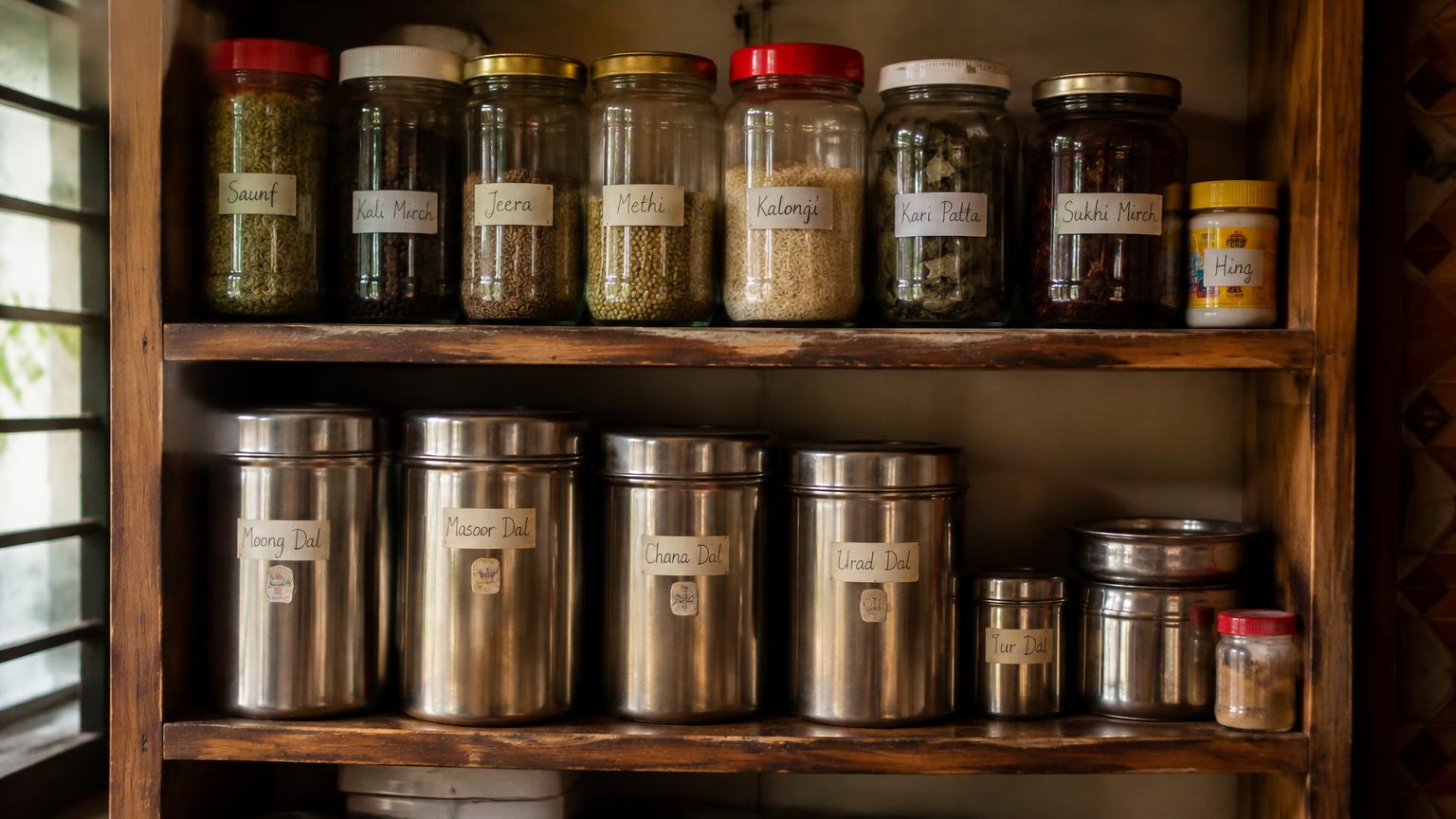
The Kitchen Shelf and What It Remembered
Jars, tins, labels and the back row — how a household stored its ingredients was itself a record of what it knew.
Continue exploring
Related on The Wisdom Jar
Ingredient
Turmeric
A warm, golden rhizome treasured for centuries as a kitchen healer for inflammation, immunity, and skin glow.
Read moreIngredient
Ginger
A pungent, warming root used worldwide for nausea, digestion, and respiratory comfort.
Read moreRemedy
Golden Milk for Winter Immunity
A warm, soothing nightly drink of turmeric, milk, and pepper to support immunity and rest.
Read moreRemedy
Ginger-Tulsi Decoction for Cough & Cold
A simple kitchen kadha that soothes scratchy throats and clears mild congestion.
Read moreDaily Wellness
Warm Water on Waking (Ushapan)
A simple, ancient cue that wakes digestion and gently flushes the system.
Read moreDaily Wellness
Tongue Scraping
Remove the overnight coating in 30 seconds — taste, breath and digestion improve.
Read more