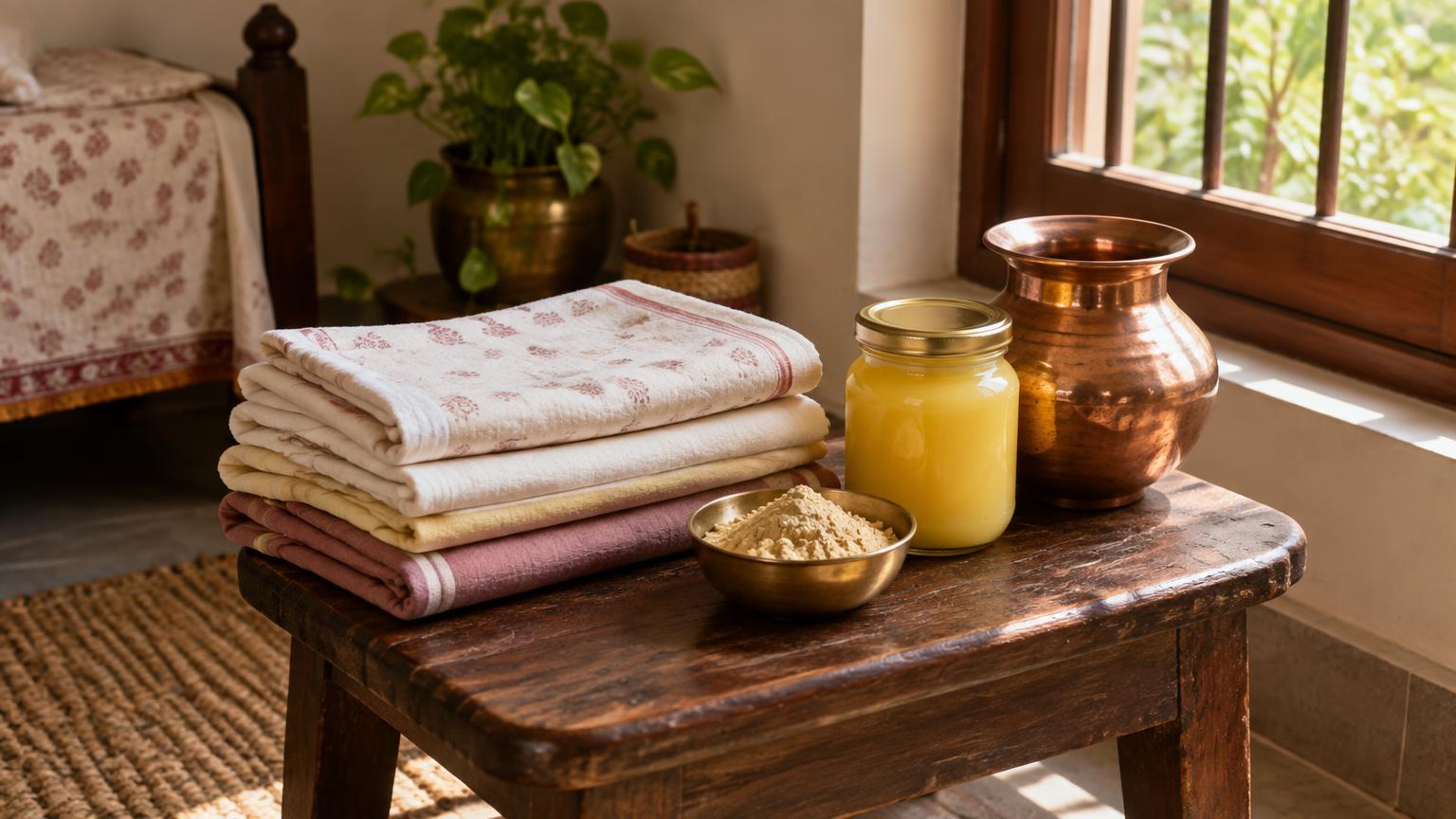
Grandmother's Wisdom
New Mothers and Infant Care: A Household Tradition
The weeks after birth were among the most organised periods in household life — and among the most important to read as culture rather than as guidance.
Across Indian regions and communities, the period after childbirth was treated as a defined stage with its own rules, often lasting somewhere between a few weeks and a few months depending on the community. It commonly involved rest, reduced household duties, a separate and distinctive diet, warmth, oil massage for mother and baby in many regions, specific visitors and restrictions on others, and a set of rituals marking the baby's naming, first outing or first foods. In much of northern India the maternal home took over during this time; in other communities the arrangement differed.
Who ran it was specific. Senior women of the household led, frequently the new mother's own mother or mother-in-law, and in many places a dai or traditional birth attendant had a recognised role in both delivery and the days that followed. The knowledge was intensely practical and almost entirely oral, taught by supervised doing during the only weeks in which a woman would need it.
Why it mattered is easy to state and worth stating plainly: childbirth was dangerous, infant mortality was high, and a household's response was to concentrate labour, food and attention on the mother and baby for a fixed period and to make that concentration socially compulsory rather than optional. The enforced rest and feeding were a social safety mechanism as much as a set of beliefs.
These customs also carried real costs. Some communities' practices isolated women, imposed heavy or restrictive diets, delayed medical attention, or treated the mother as ritually impure during this period. An honest account of the tradition has to hold both the care and the constraint.
Much of the structure survives: family members travelling to help, the expectation of rest, specific postpartum foods, and infant oil massage are all still widespread. This article is cultural context only. Postpartum recovery, breastfeeding, infant feeding and any care of a newborn should follow the guidance of a qualified doctor, midwife or paediatrician. Do not treat any remembered household practice as instruction, and seek medical care promptly for fever, bleeding, pain, breathing difficulty, feeding problems, or a baby who seems unwell.
More from Grandmother's Wisdom
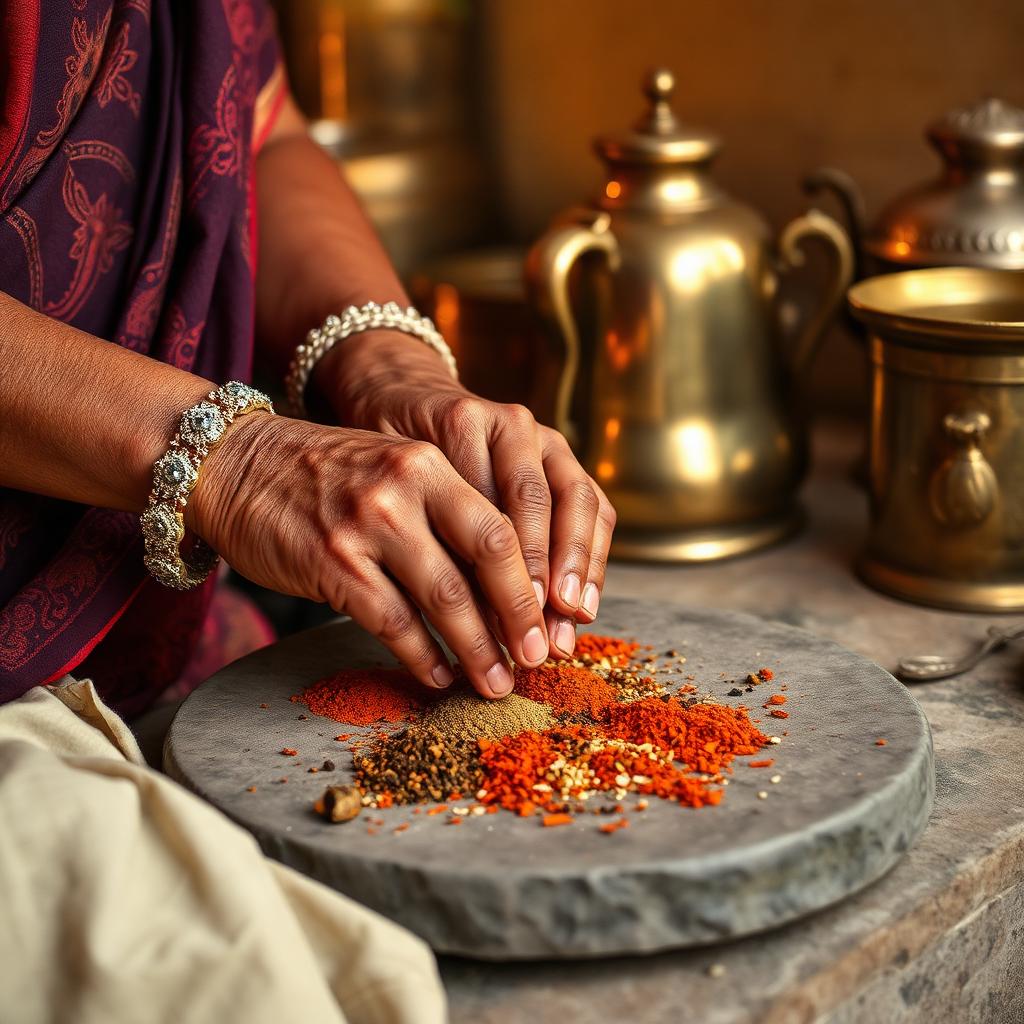
Who Taught Whom: Dadi, Nani and the Household Line
Household knowledge rarely came from one person. It arrived through a specific chain of relatives, neighbours and elders — and who taught whom shaped what survived.
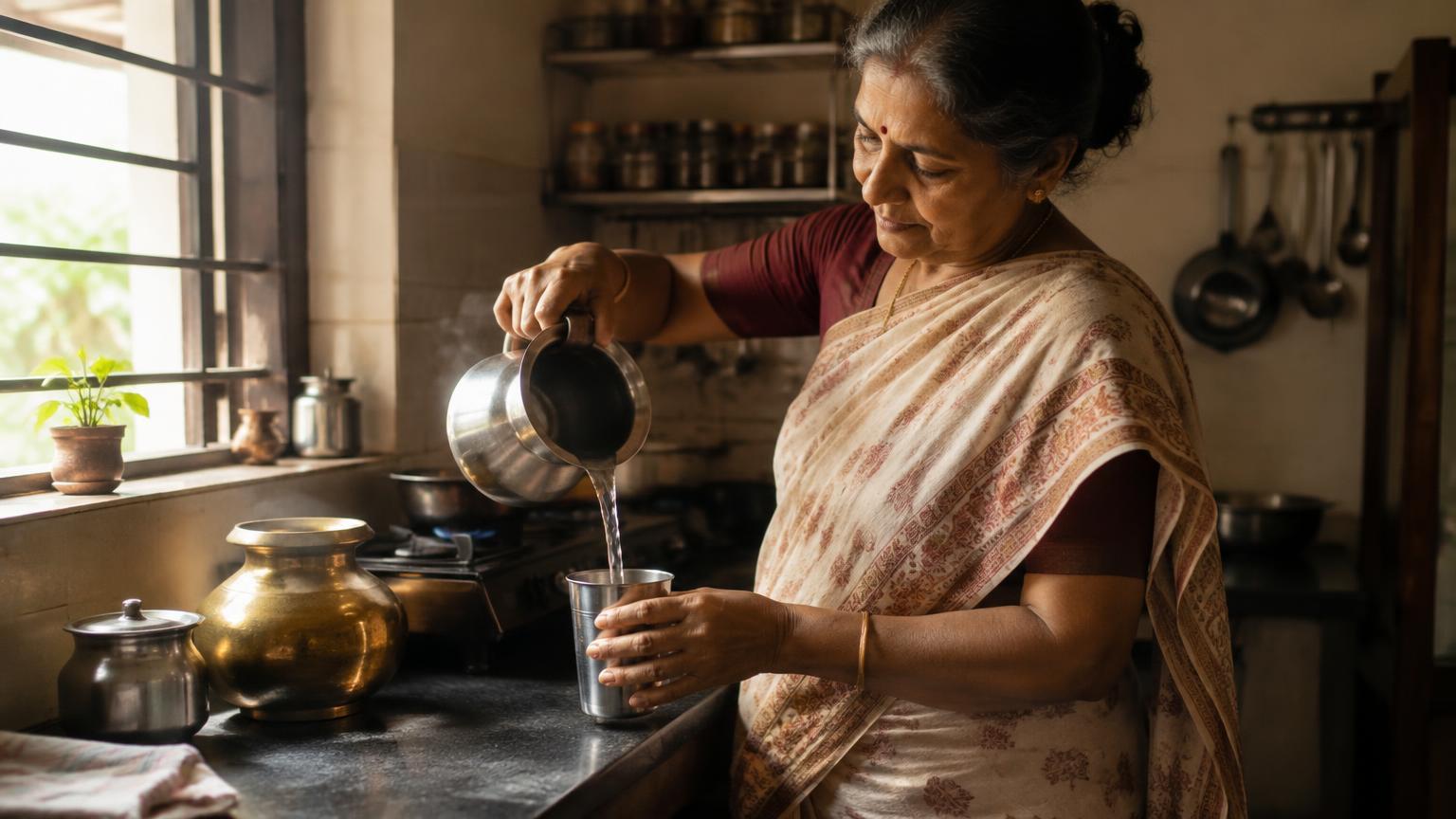
The Daily Household Rhythm
Morning, meals, evening, bedtime — the fixed shape of a household day carried most of its health knowledge without ever naming it as such.
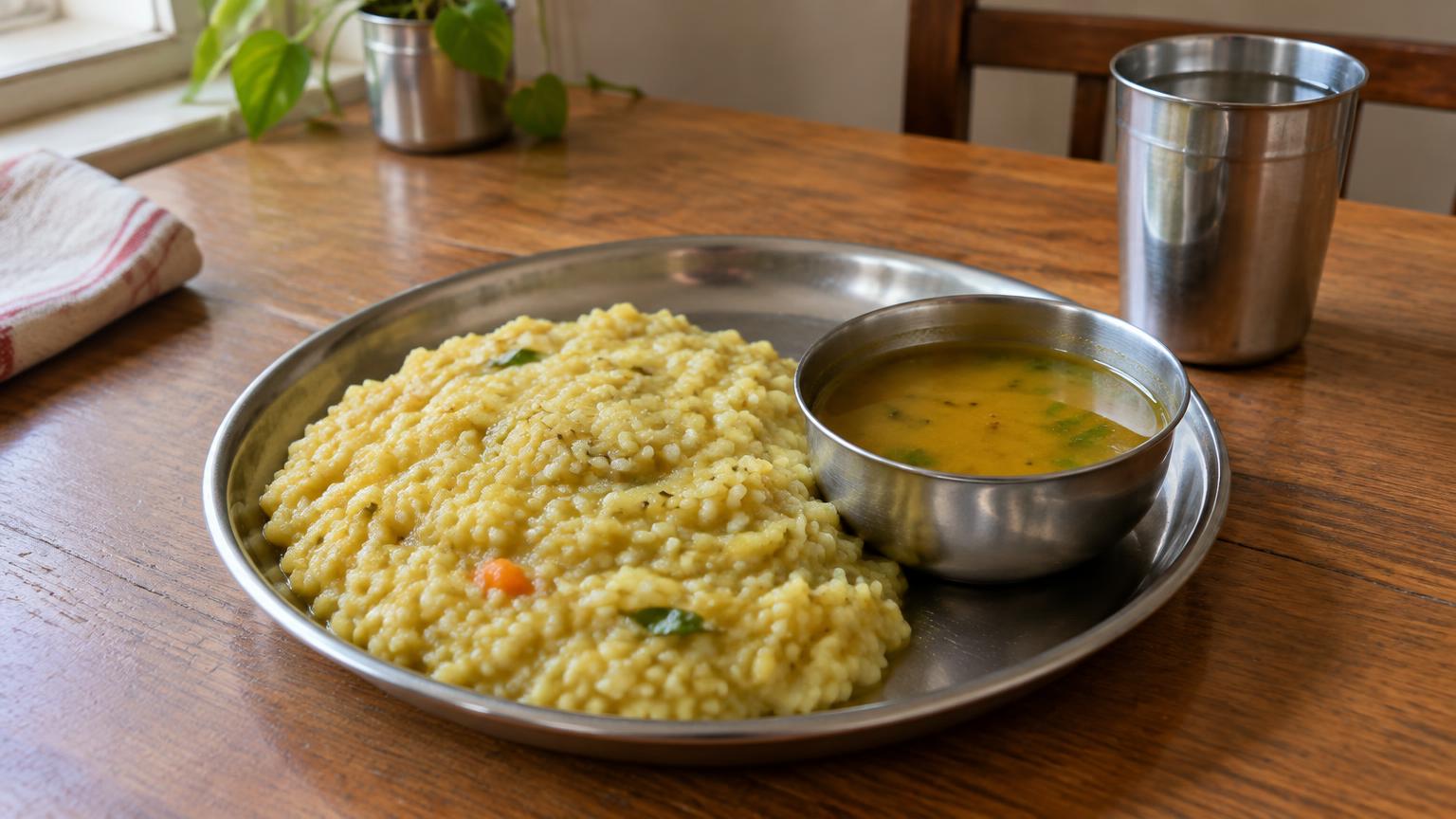
Feeding Someone Who Was Unwell
Every household had a separate way of cooking for the sick and the recovering — simpler, softer, and watched closely by whoever was in charge.
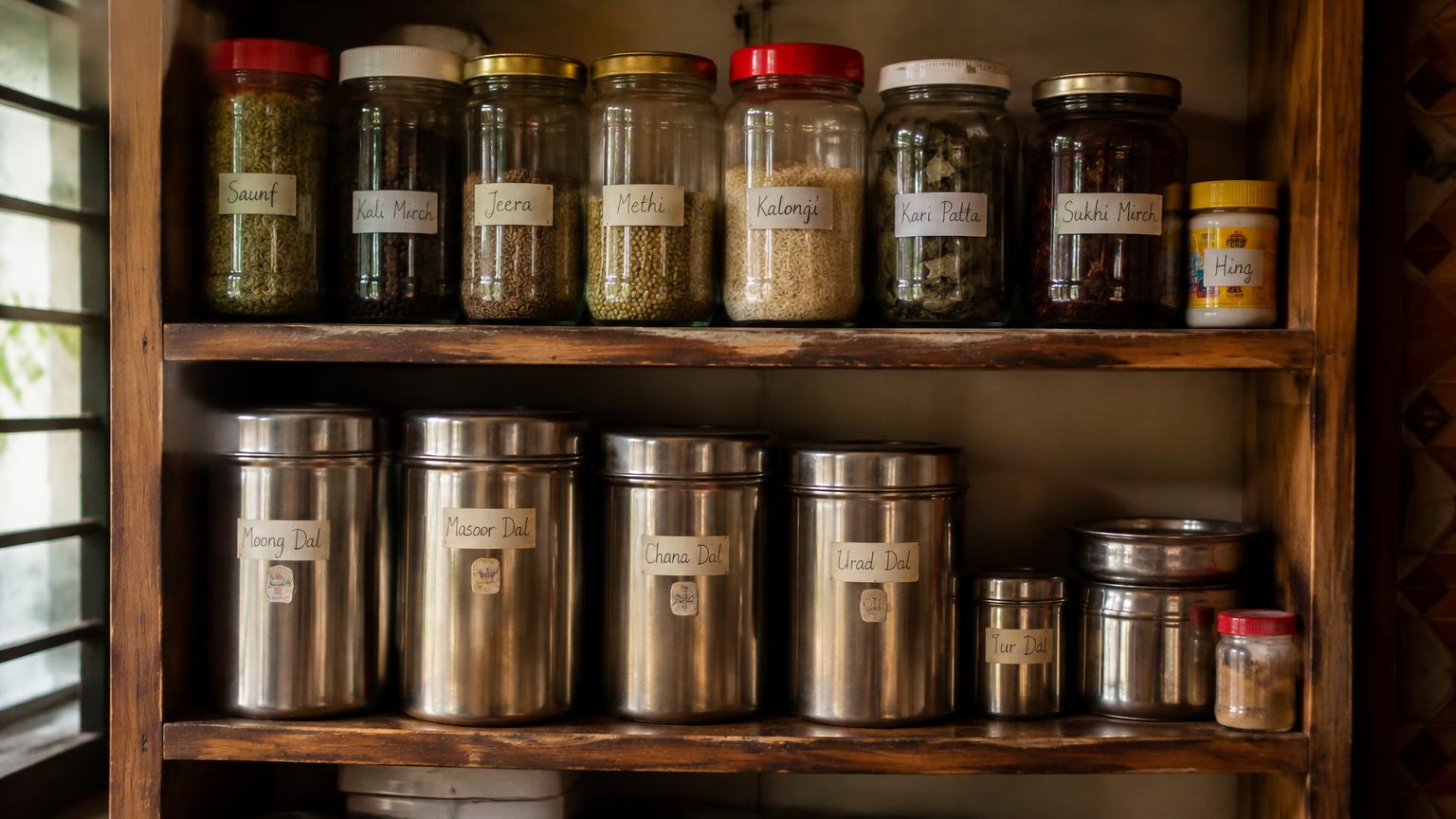
The Kitchen Shelf and What It Remembered
Jars, tins, labels and the back row — how a household stored its ingredients was itself a record of what it knew.
Continue exploring
Related on The Wisdom Jar
Ingredient
Turmeric
A warm, golden rhizome treasured for centuries as a kitchen healer for inflammation, immunity, and skin glow.
Read moreIngredient
Ginger
A pungent, warming root used worldwide for nausea, digestion, and respiratory comfort.
Read moreRemedy
Golden Milk for Winter Immunity
A warm, soothing nightly drink of turmeric, milk, and pepper to support immunity and rest.
Read moreRemedy
Ginger-Tulsi Decoction for Cough & Cold
A simple kitchen kadha that soothes scratchy throats and clears mild congestion.
Read moreDaily Wellness
Warm Water on Waking (Ushapan)
A simple, ancient cue that wakes digestion and gently flushes the system.
Read moreDaily Wellness
Tongue Scraping
Remove the overnight coating in 30 seconds — taste, breath and digestion improve.
Read more