Grandmother's Wisdom
The Kitchen Shelf and What It Remembered
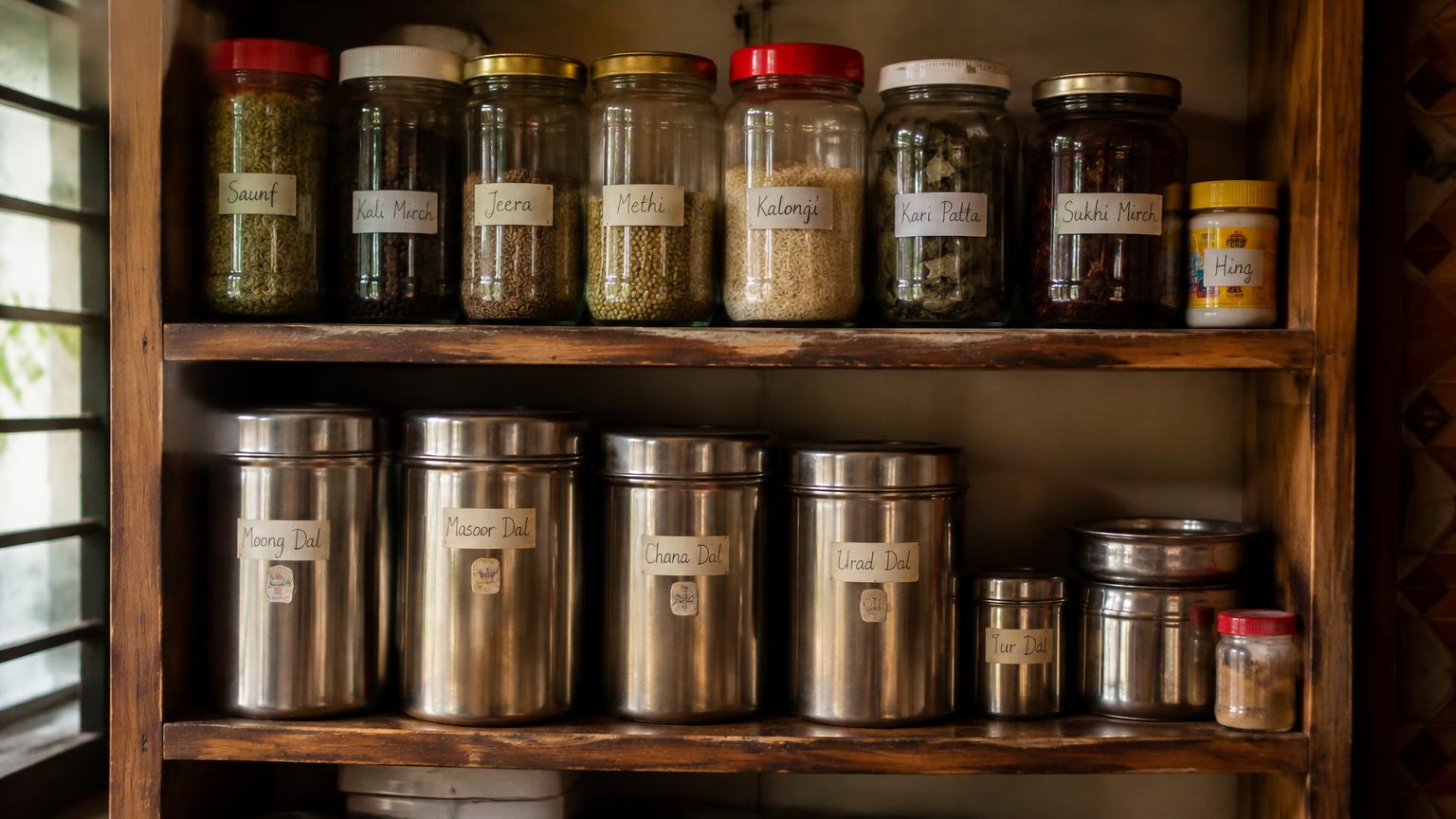
Jars, tins, labels and the back row — how a household stored its ingredients was itself a record of what it knew.
A traditional kitchen shelf was organised by use, not by category. The front row held what was needed daily. Behind it sat the seasonal work: pickles made in one short window, papads dried in the sun, spice powders ground in bulk, dried herbs, preserved fruit, and grains and pulses stored for months. The shelf carried the household's calendar, and anyone who could read it could tell what the family cooked, what season it was, and what the household considered worth keeping.
Storage knowledge was passed down as carefully as cooking. Which vessel for which contents — glass, steel, ceramic, brass, cloth-covered jars; when to sun things; how to keep moisture and insects out; why some items were kept near the flame and some far from it; when something had turned and had to be discarded. Much of this was necessity in warm, humid conditions without refrigeration, and it was one of the first things a younger woman was taught in a new household.
The shelf also worked as memory. Because instructions were oral and fragmentary, the presence of a jar was often the reminder that a practice existed at all. Reaching for ajwain in one house and kalonji in another was not only a matter of taste; it reflected which practices that household had kept.
Labelling varied with literacy and habit. Many households ran on recognition rather than writing — by lid, by jar shape, by position on the shelf — and handwritten labels became common later. This is why an inherited shelf is often hard for the next generation to read.
What survives is visible in most Indian kitchens: the masala dabba, reused jars, the annual pickle, the dry-roasted powders sent by relatives. The individual ingredients themselves are covered in the Ingredients encyclopedia, with their own safety notes, rather than repeated here.
More from Grandmother's Wisdom
Who Taught Whom: Dadi, Nani and the Household Line
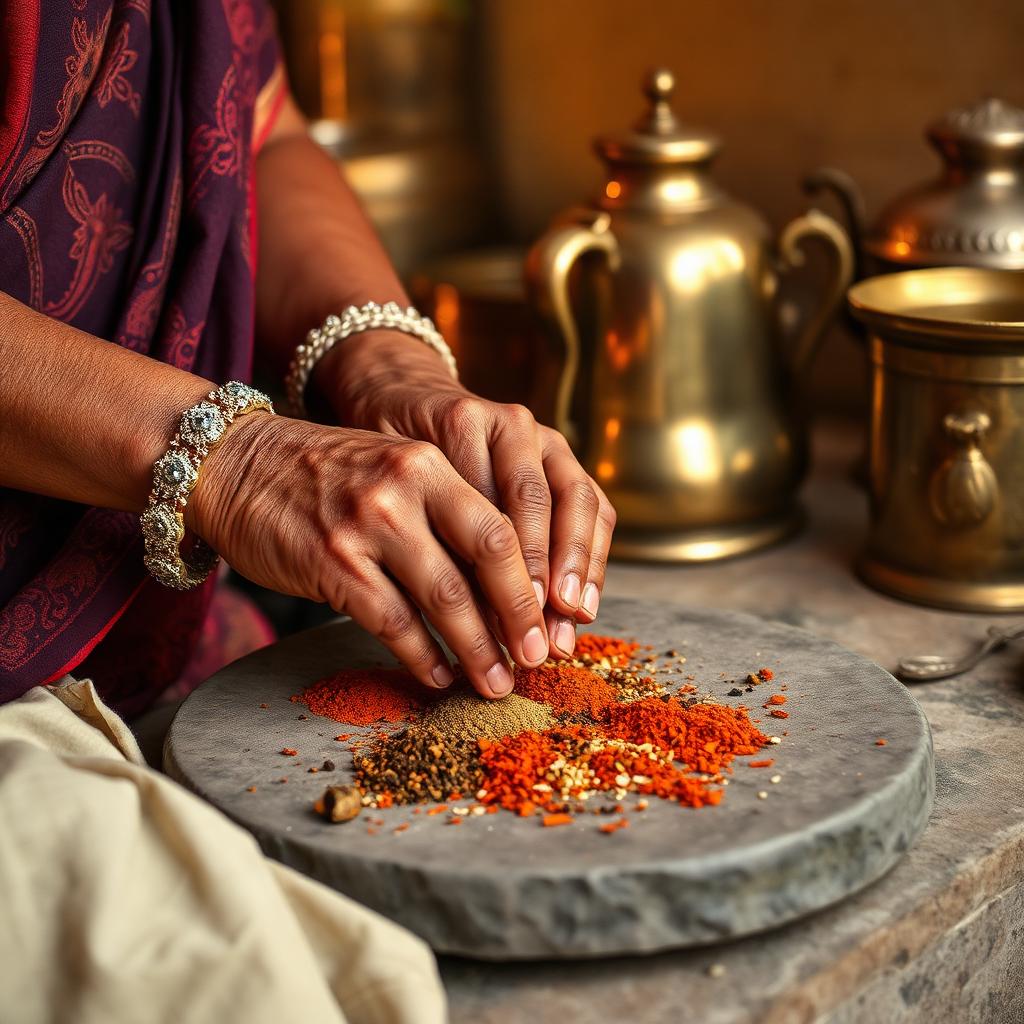
Household knowledge rarely came from one person. It arrived through a specific chain of relatives, neighbours and elders — and who taught whom shaped what survived.
The Daily Household Rhythm
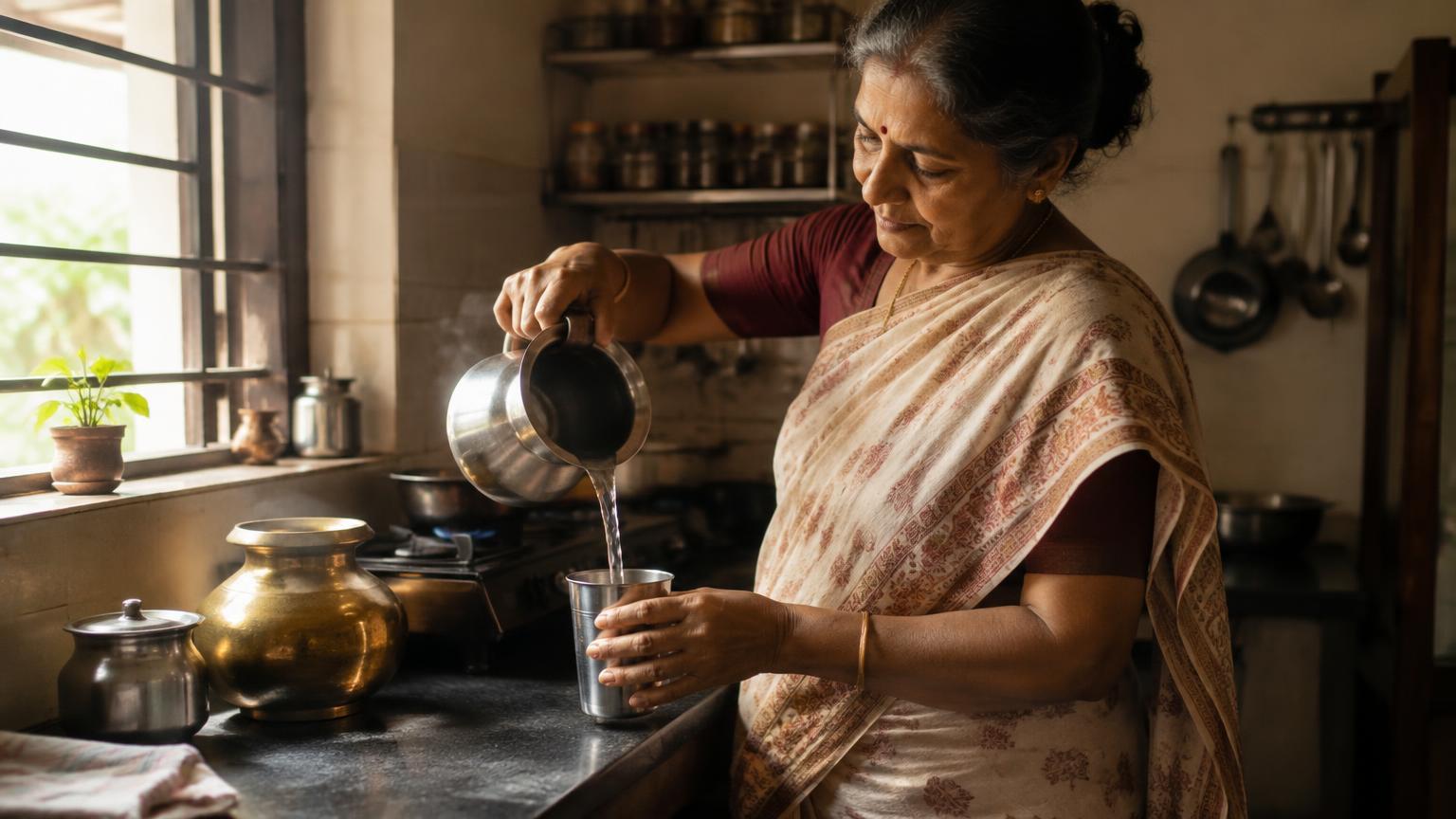
Morning, meals, evening, bedtime — the fixed shape of a household day carried most of its health knowledge without ever naming it as such.
Feeding Someone Who Was Unwell
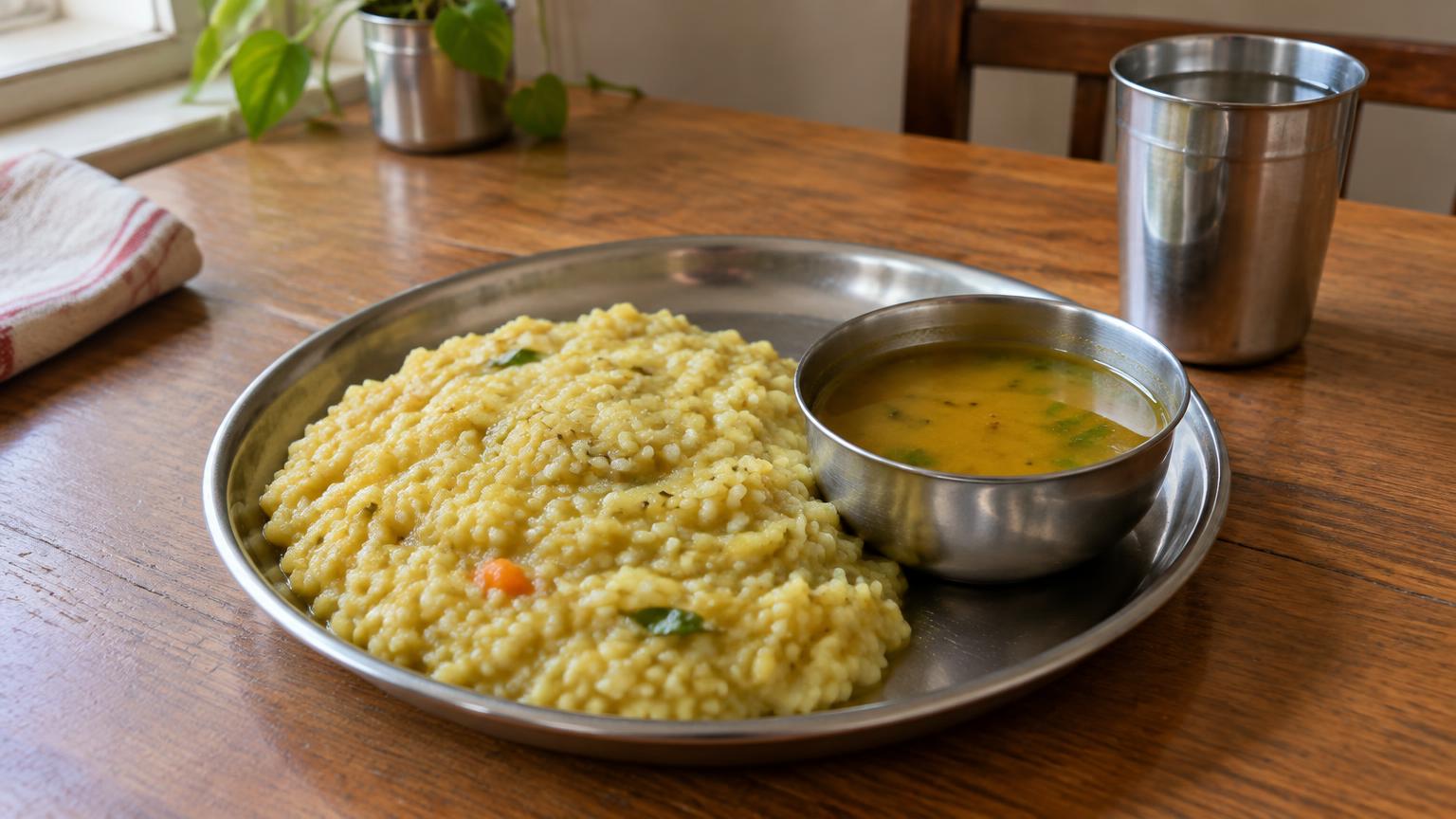
Every household had a separate way of cooking for the sick and the recovering — simpler, softer, and watched closely by whoever was in charge.
New Mothers and Infant Care: A Household Tradition
The weeks after birth were among the most organised periods in household life — and among the most important to read as culture rather than as guidance.
Continue exploring
Related on The Wisdom Jar
Ingredient
Turmeric
A warm, golden rhizome treasured for centuries as a kitchen healer for inflammation, immunity, and skin glow.
Read moreIngredient
Ginger
A pungent, warming root used worldwide for nausea, digestion, and respiratory comfort.
Read moreRemedy
Golden Milk for Winter Immunity
A warm, soothing nightly drink of turmeric, milk, and pepper to support immunity and rest.
Read moreRemedy
Ginger-Tulsi Decoction for Cough & Cold
A simple kitchen kadha that soothes scratchy throats and clears mild congestion.
Read moreDaily Wellness
Warm Water on Waking (Ushapan)
A simple, ancient cue that wakes digestion and gently flushes the system.
Read moreDaily Wellness
Tongue Scraping
Remove the overnight coating in 30 seconds — taste, breath and digestion improve.
Read more