Festival Traditions
Ugadi & Gudi Padwa: New-Year Kitchens of the Deccan and West
Neem, raw mango, jaggery and the many tastes of a new year that is regional, not universal.
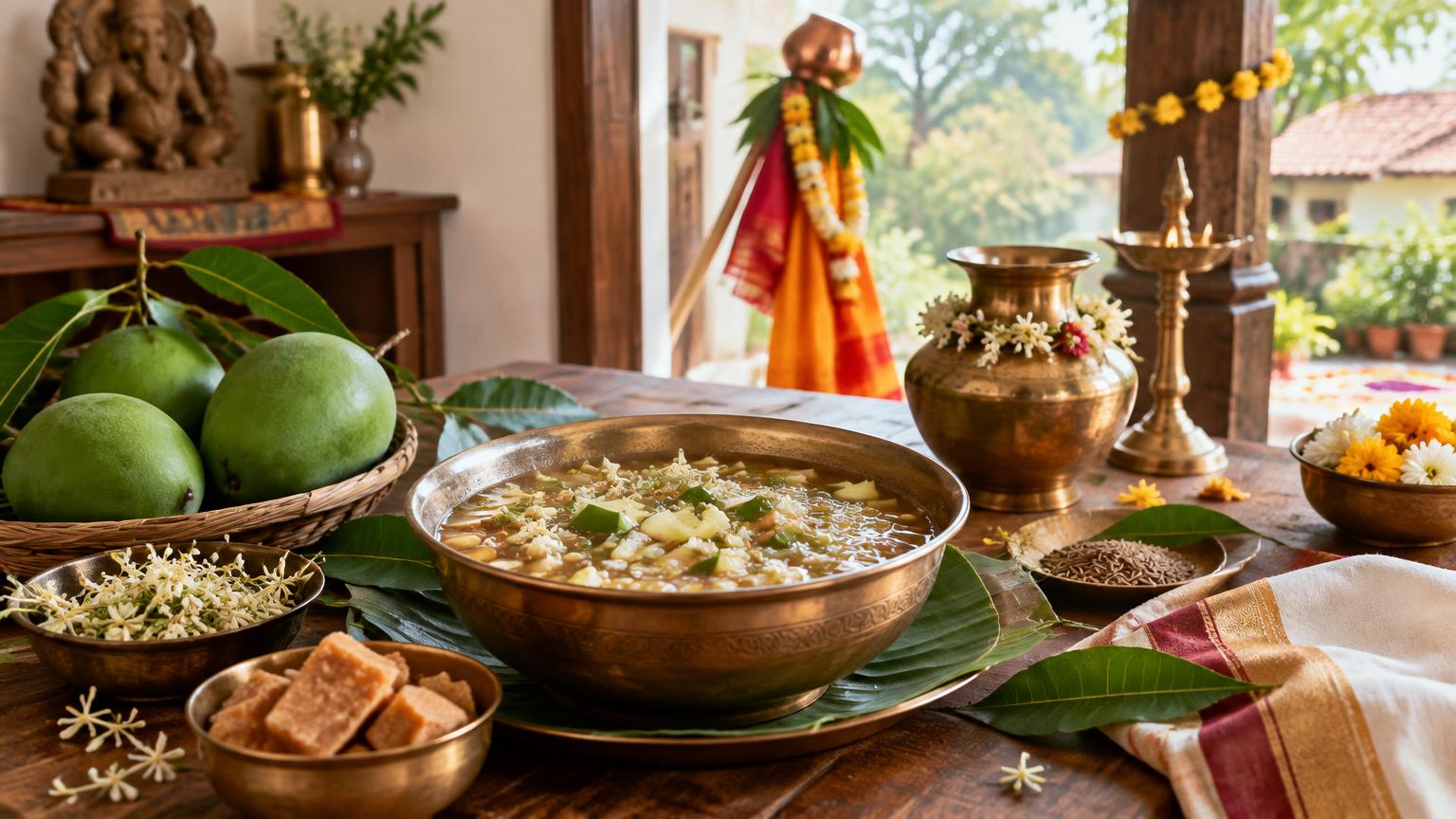
Ugadi is widely observed as a new year in Telugu- and Kannada-speaking communities, while Gudi Padwa is commonly observed in Maharashtra and parts of the Konkan. They share a lunisolar date in spring but retain distinct languages, symbols and household foods; neither is a single 'Indian New Year.'
Ugadi preparation often includes cleaning the home, rangoli or muggu, new clothes and a food known as Ugadi pachadi. Its mixture may bring together neem flower, raw mango, jaggery, tamarind, chilli and salt, commonly explained through six tastes and the varied experiences a year can hold. The meaning is symbolic, not medicinal.
Gudi Padwa homes may raise a gudi — cloth, leaves, flowers and an upturned vessel displayed prominently — and prepare foods such as shrikhand-puri or puran poli. Neem-jaggery mixtures appear in some families, while Konkani and Maharashtrian menus vary with locality and inheritance.
The spring setting matters because tender neem flowers and raw mango are briefly available together. Seasonal produce gives the festival its sensory vocabulary, but those ingredients should not be claimed to cleanse the body or prevent illness.
What survives today includes the first taste of pachadi, family almanac readings, doorstep designs, raised gudis and a special lunch. Packaged ingredients and smaller households change preparation while the annual act of tasting complexity remains powerful.
Neem is potent and may not suit everyone, especially in concentrated or medicinal forms. These customary festival tastes are not treatments. For the wider spring transition, follow Vasanta in Seasonal Customs.
More from Festival Traditions
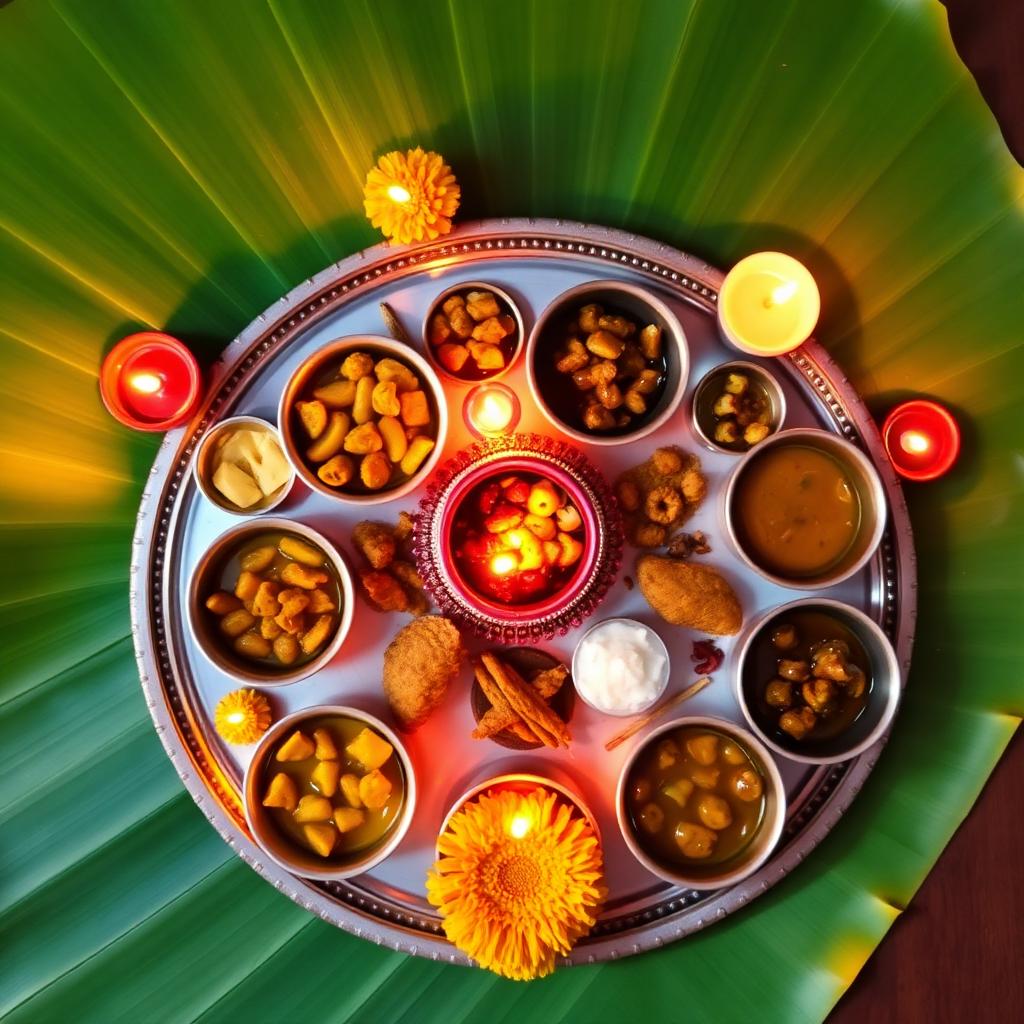
Diwali Foods: Light, Hospitality and the Autumn Kitchen
How sweets, savouries and shared trays mark Diwali across distinct Indian household traditions.
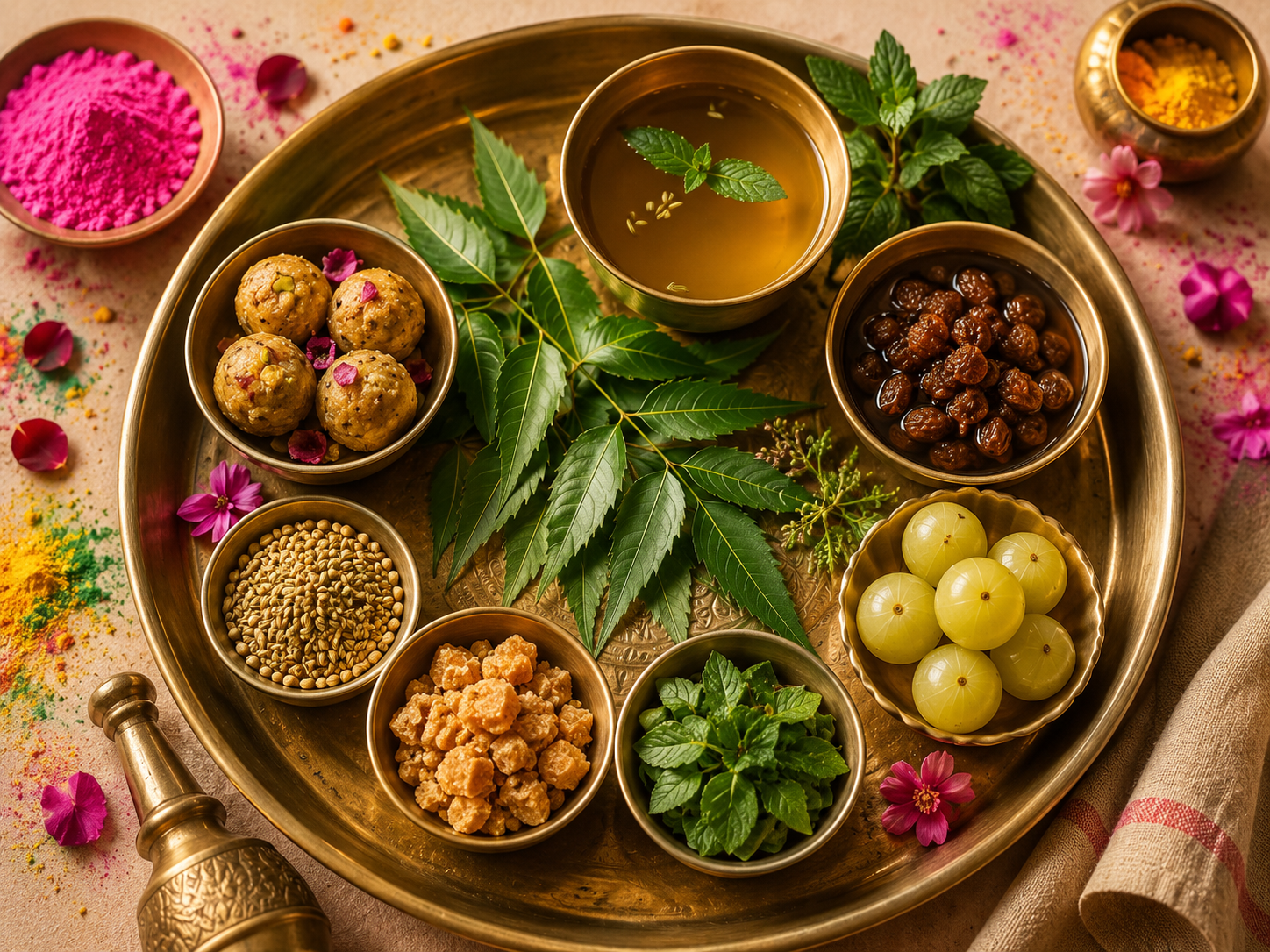
Holi, Spring Foods and the Changing Kitchen
Neem, kanji, gujiya and regional spring foods around a festival of colour and renewal.
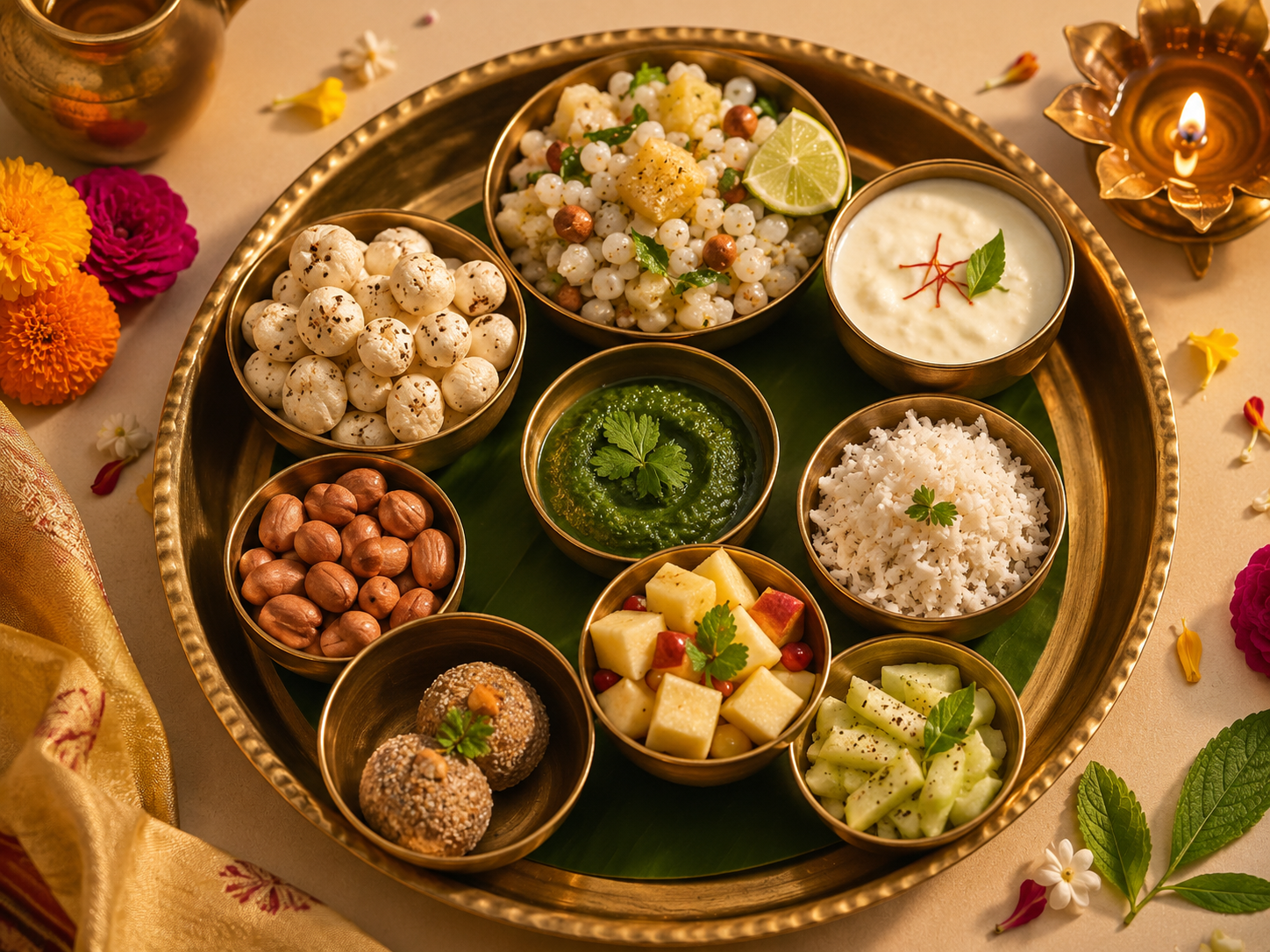
Navratri Food Traditions Across Indian Homes
How devotion, regional calendars and household fasting foods shape the nine nights without turning them into a health prescription.
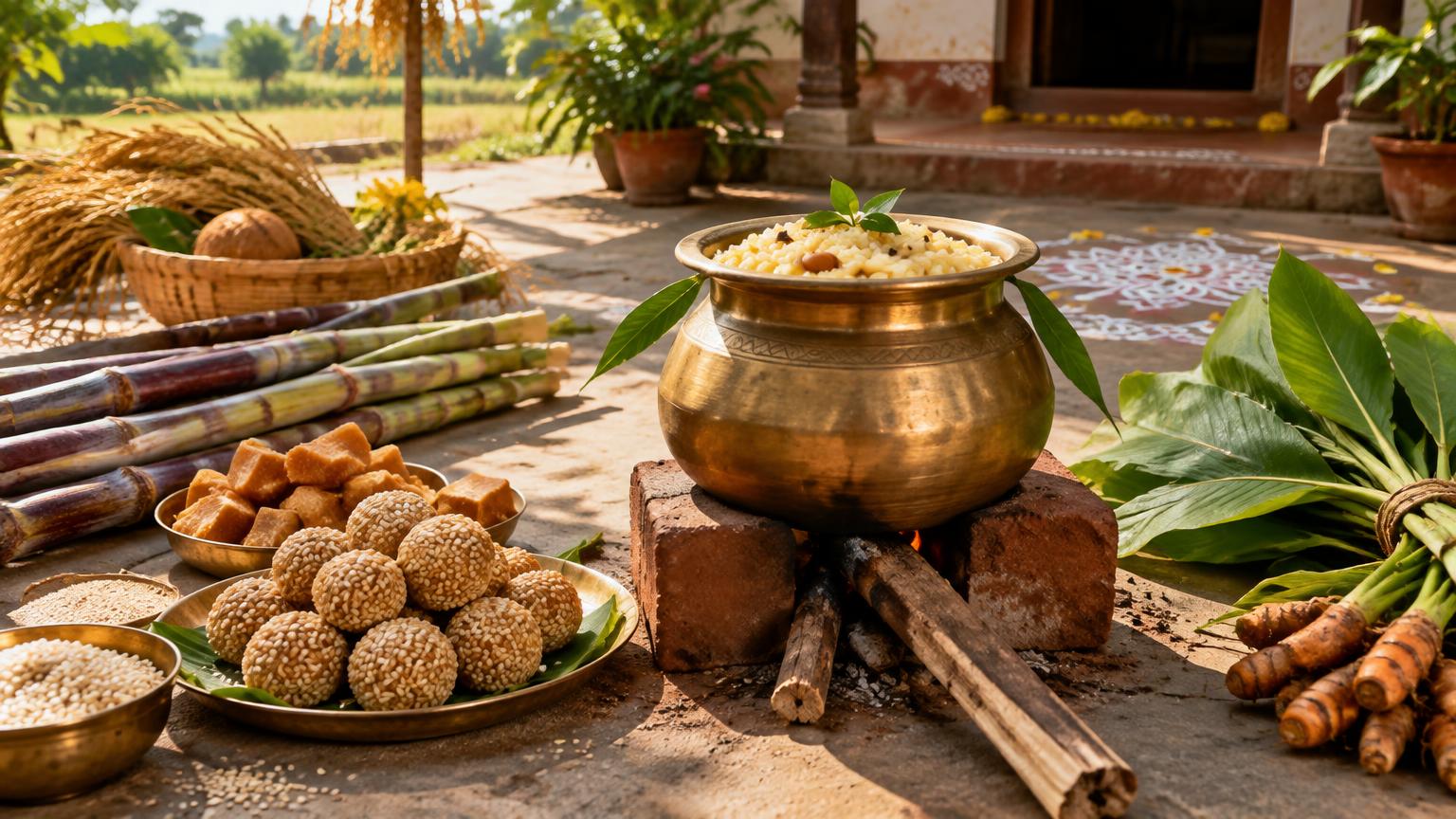
Makar Sankranti & Pongal: Many Harvests, Many Kitchens
Sesame and jaggery, newly harvested rice and sugarcane across distinct mid-January celebrations.
Continue exploring
Related on The Wisdom Jar
Ingredient
Neem
A bitter, deeply purifying leaf used in skin care, oral hygiene, and topical remedies.
Read moreIngredient
Jaggery (Gud)
Unrefined cane sugar rich in minerals — a traditional iron and energy booster.
Read moreRemedy
Neem & Honey Face Pack for Blemish-Prone Skin
A weekly clarifying mask for oily, breakout-prone skin.
Read moreRemedy
Neem & Curry Leaf Anti-Dandruff Hair Oil
A warm medicated oil champi that reduces itch, flakes, and scalp buildup.
Read moreDaily Wellness
Warm Water on Waking (Ushapan)
A simple, ancient cue that wakes digestion and gently flushes the system.
Read moreDaily Wellness
Tongue Scraping
Remove the overnight coating in 30 seconds — taste, breath and digestion improve.
Read more