Regional Wisdom
Punjab and Kashmir — Winter Kitchens of the North
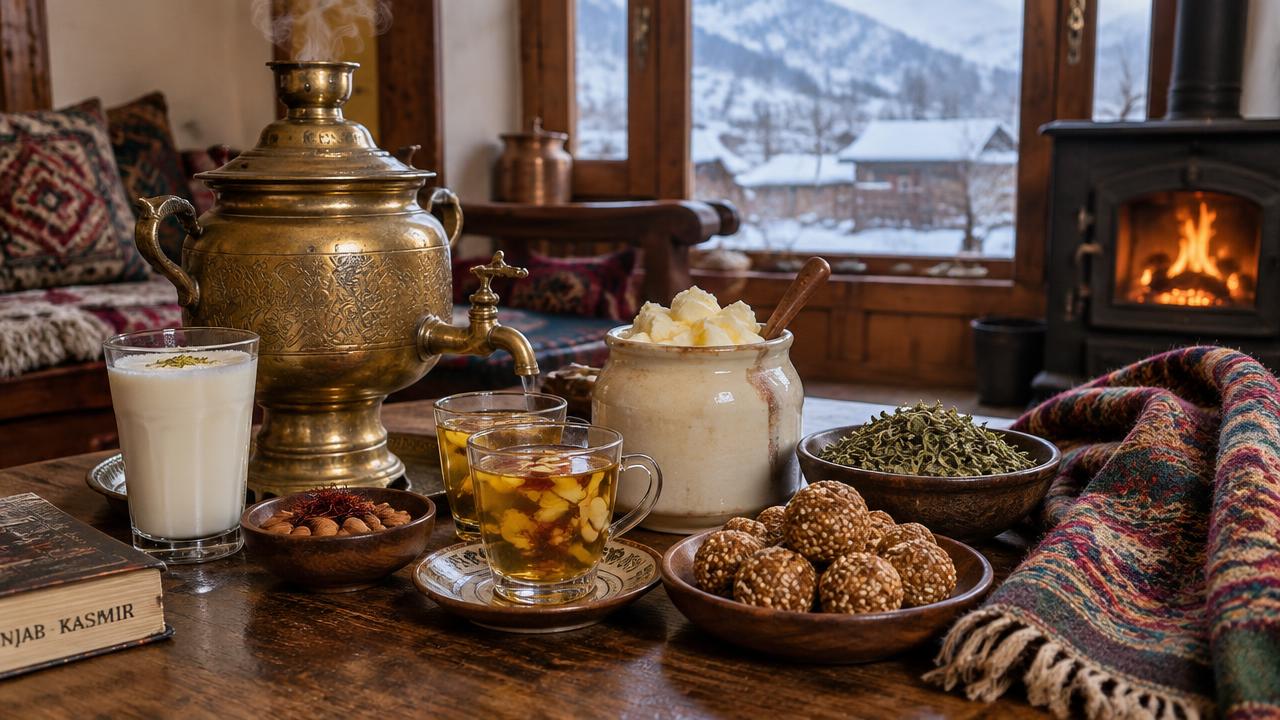
Real winters produced real winter food: white butter and gur in Punjab, saffron kahwa and a kangri in Kashmir.
The northern plains and the Kashmir valley get a winter that most of India does not. Households there built a food and routine culture around cold, and around a farming year with an unmistakable rhythm.
Punjab's winter table is the best-known version. Sarson ka saag with makki di roti arrives when the mustard flowers do. White butter and fresh ghee are made at home from curd. Gur and shakkar replace refined sugar through the cold months, and til-gur ladoos, pinni, panjiri and gond ke ladoo are prepared in bulk in December and January — historically for people doing hard physical work in the cold. Lassi, by contrast, belongs to summer, salted and thinned in the fields.
Kashmir's valley culture is distinct again, shaped by long snowbound months. Kahwa — green tea with saffron, cinnamon, cardamom and crushed almond — is a daily household drink, not an occasional one. Noon chai, the pink salt tea, is a breakfast staple. Hokh syun, the winter store of sun-dried vegetables and fish put up in autumn, carried families through months when nothing grew. The kangri under a pheran, walnut and almond oil, and dried apricots and morels are all answers to the same climate.
Both regions share a set of household habits rather than a shared medical system: oil massage before a winter bath, warm mustard oil for the scalp, food eaten hot and fresh, and heavier cooking accepted as seasonal rather than year-round. Mustard oil dominates Kashmiri cooking; ghee and mustard oil share Punjabi kitchens.
The formal medical traditions of the north — Unani in the plains, and Ayurvedic and Persian-influenced practice in the valley — are professional lineages with their own training. What is described here is the domestic layer: the food, the drink and the seasonal routine that families kept for themselves.
More from Regional Wisdom
Kerala, Ayurveda and the Monsoon Calendar
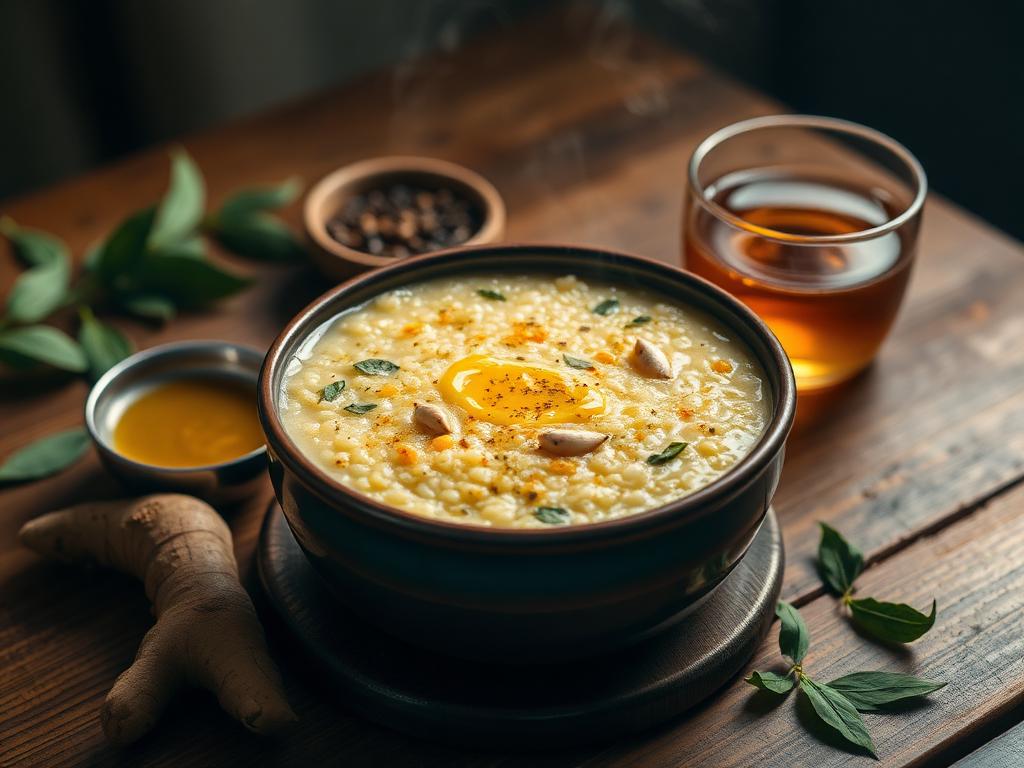
Why Kerala became the home of classical panchakarma — and why the monsoon shapes its household calendar.
Tamil Nadu and the Siddha Tradition
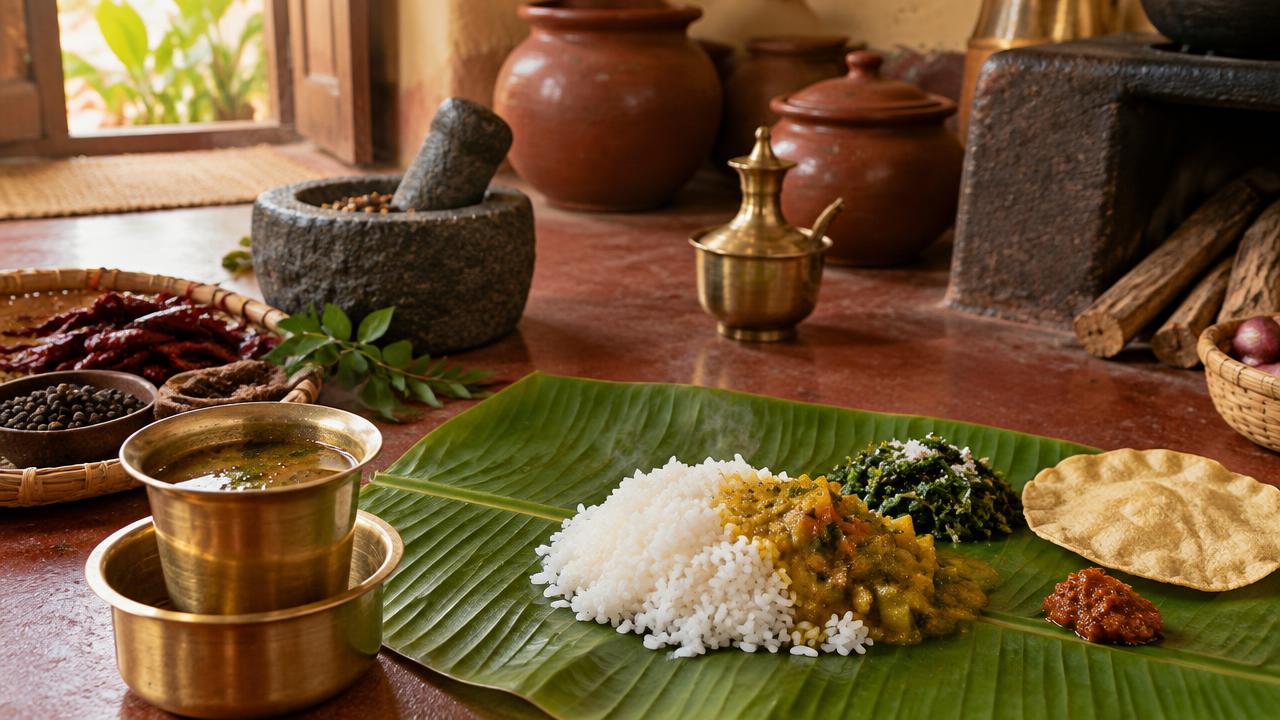
Rasam at the start of lunch, sesame oil before a bath, and a healing tradition with its own Tamil lineage of siddhars.
North India and the Unani Tradition
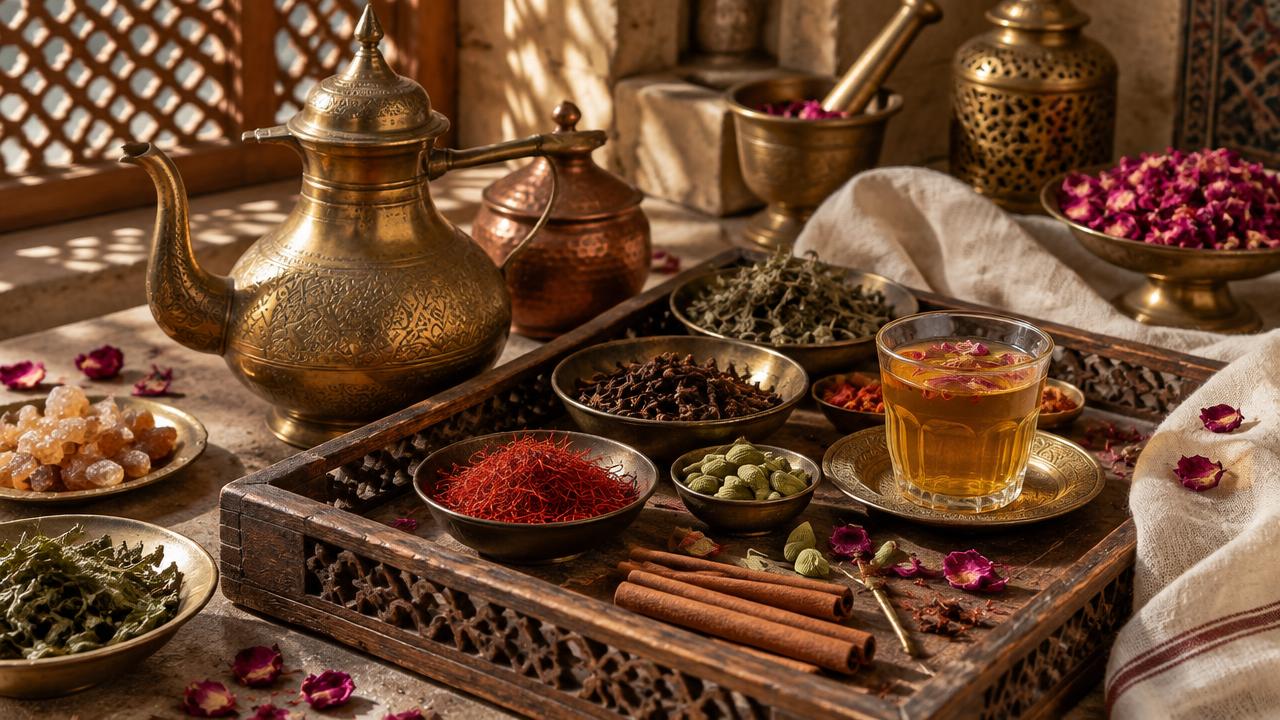
Greco-Arabic medicine that settled into North Indian cities — and the rose, saffron and mint that stayed in the kitchen.
Bengal and the East — Rice, Fish and Fermentation
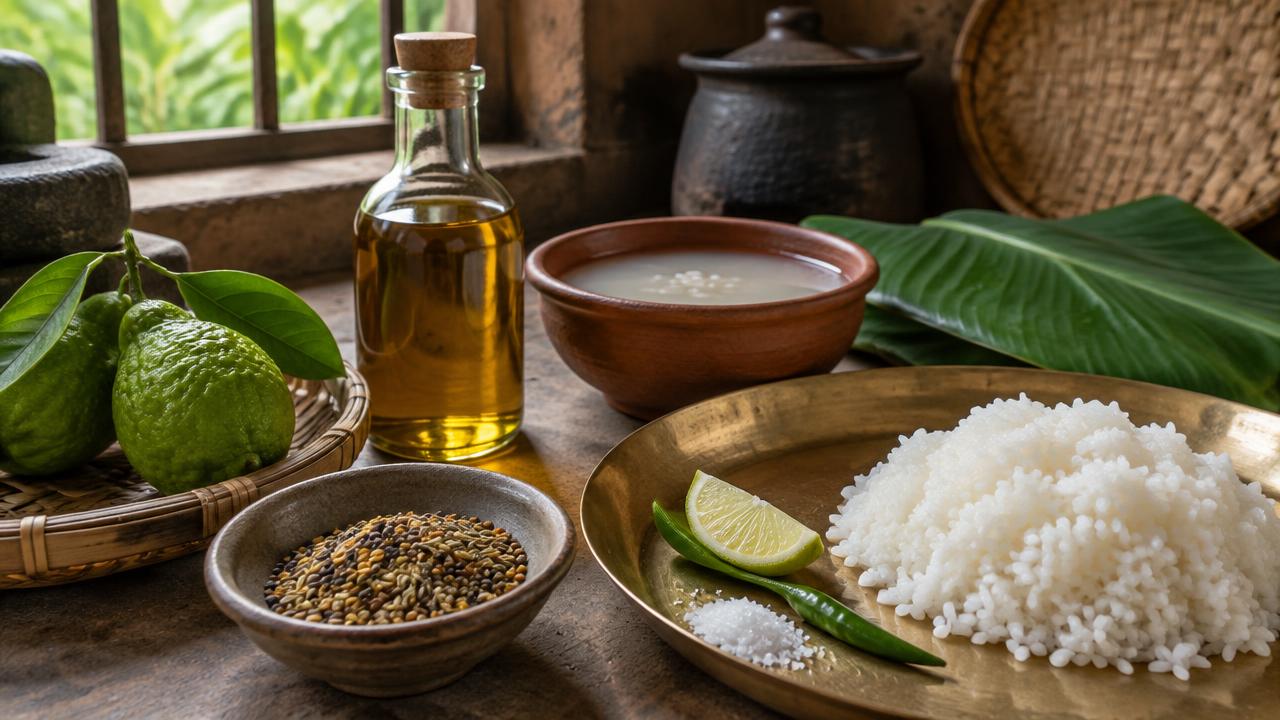
Panch phoron, mustard oil, gondhoraj lime and panta bhat — an eastern kitchen built around humidity, rivers and rice.
Continue exploring
Related on The Wisdom Jar
Remedy
Golden Milk for Winter Immunity
A warm, soothing nightly drink of turmeric, milk, and pepper to support immunity and rest.
Read moreRemedy
Warm Sesame Oil Self-Massage
An Ayurvedic-inspired morning routine to ease joint stiffness and ground the nervous system.
Read moreDaily Wellness
Winter Warming Care
Oil massage, ghee, sesame, warming spices — feed the inner fire.
Read moreIngredient
Turmeric
A warm, golden rhizome treasured for centuries as a kitchen healer for inflammation, immunity, and skin glow.
Read moreIngredient
Ginger
A pungent, warming root used worldwide for nausea, digestion, and respiratory comfort.
Read moreDaily Wellness
Warm Water on Waking (Ushapan)
A simple, ancient cue that wakes digestion and gently flushes the system.
Read more