Regional Wisdom
Bengal and the East — Rice, Fish and Fermentation
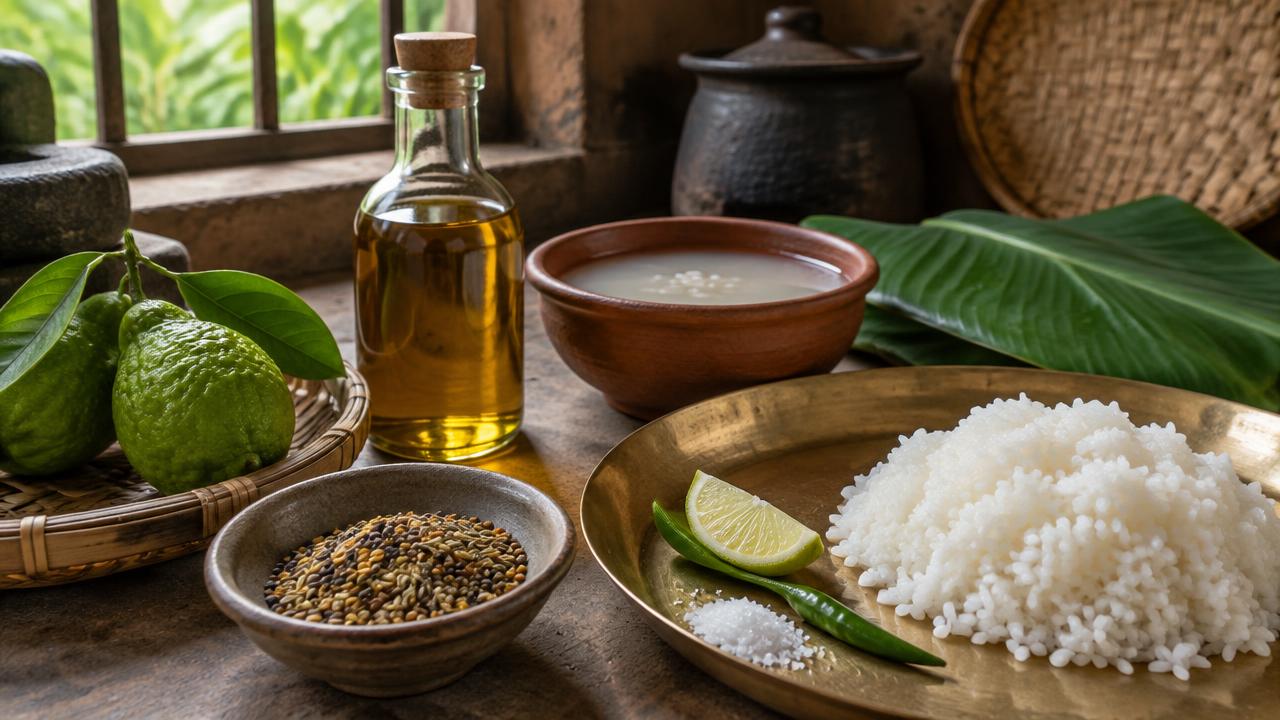
Panch phoron, mustard oil, gondhoraj lime and panta bhat — an eastern kitchen built around humidity, rivers and rice.
Eastern India — Bengal, Odisha, Assam and the north-east — cooks around water. Rivers, delta soil, heavy rain and long humidity gave the region rice, fish, greens and an unusually large fermentation culture. The health logic here is a food logic first, carried in households rather than in a single named school.
Panch phoron — fenugreek, nigella, cumin, fennel and black mustard, used whole — is the eastern spice signature, and each of those five seeds is also a familiar kitchen digestive. Mustard oil is the default cooking fat. Gondhoraj lime, with its extraordinary scent, finishes a plate of rice. Bitter comes first in a traditional Bengali meal: shukto or a bitter gourd dish at the start, sweet curd at the end — an order that is itself the teaching.
Fermentation runs through the east. Panta bhat, rice left overnight in water and eaten in the morning with salt, green chilli and onion, is the classic hot-weather breakfast of Bengal and Odisha. Assam has its khar and its fermented bamboo shoot; the north-east has its own long fermentation traditions. These are food practices, shaped by heat and humidity, and they are eaten as food rather than taken as medicine.
The seasonal shape is distinct: a long, sweaty summer answered with watery, cooling, slightly sour food; a monsoon that turns the kitchen toward simple rice, light dals and well-cooked greens; a short winter that brings nolen gur, date palm jaggery, sesame and the year's richest cooking.
Bengal also has a strong regional Ayurvedic and kaviraji professional tradition of its own, with Kolkata as a historic centre. That is a practitioner lineage; the household layer described here is the everyday kitchen that lived alongside it.
More from Regional Wisdom
Kerala, Ayurveda and the Monsoon Calendar
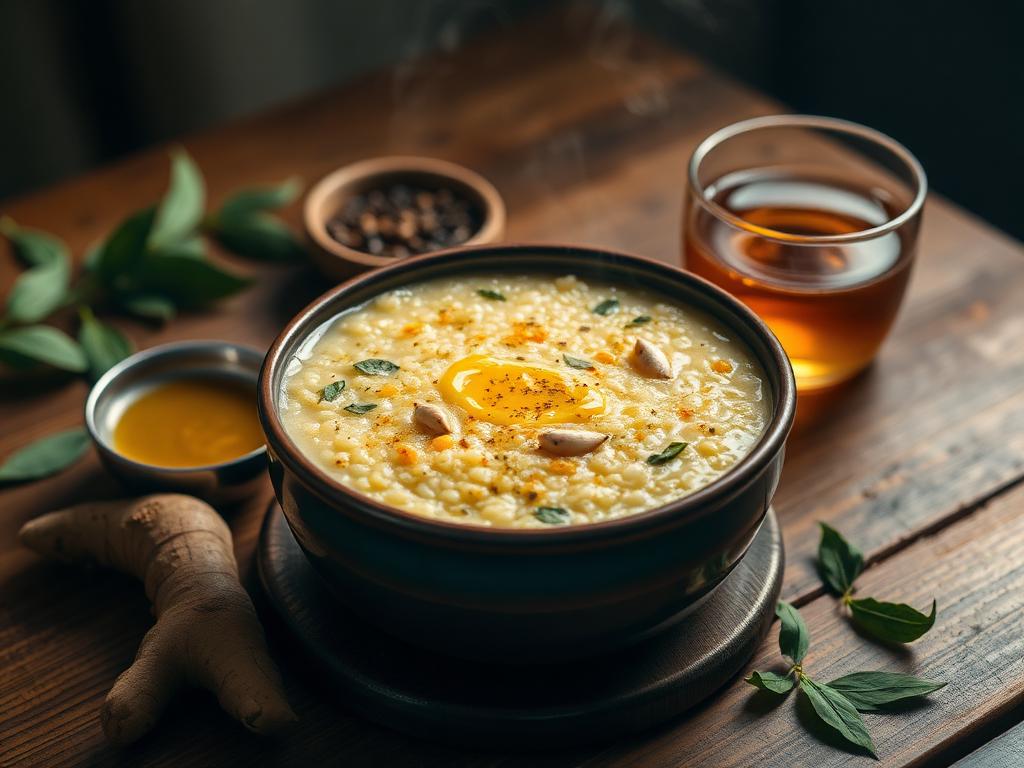
Why Kerala became the home of classical panchakarma — and why the monsoon shapes its household calendar.
Tamil Nadu and the Siddha Tradition
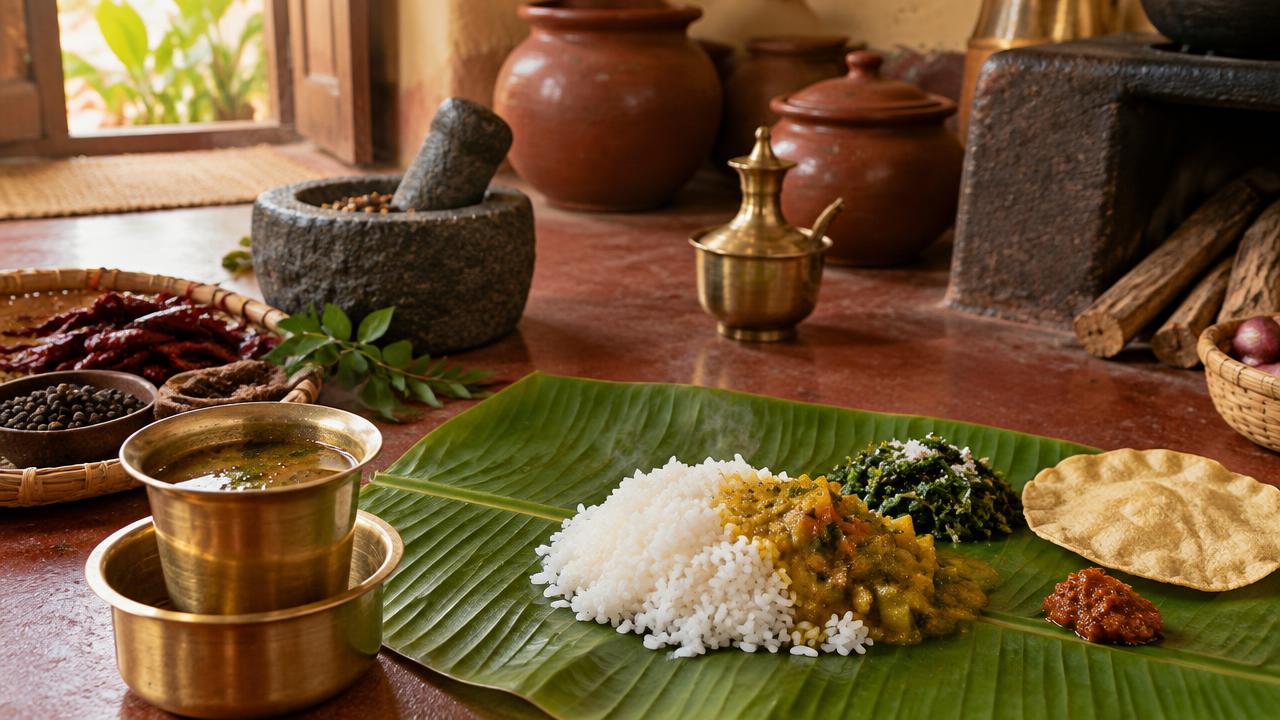
Rasam at the start of lunch, sesame oil before a bath, and a healing tradition with its own Tamil lineage of siddhars.
North India and the Unani Tradition
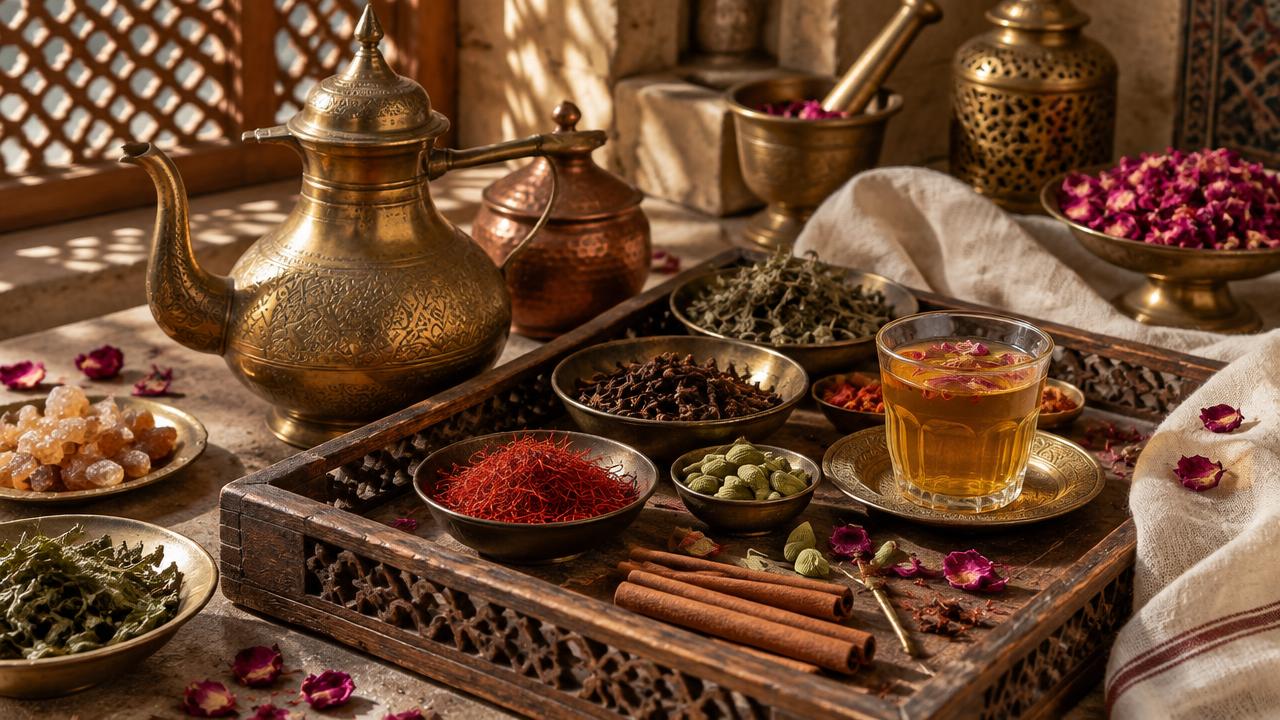
Greco-Arabic medicine that settled into North Indian cities — and the rose, saffron and mint that stayed in the kitchen.
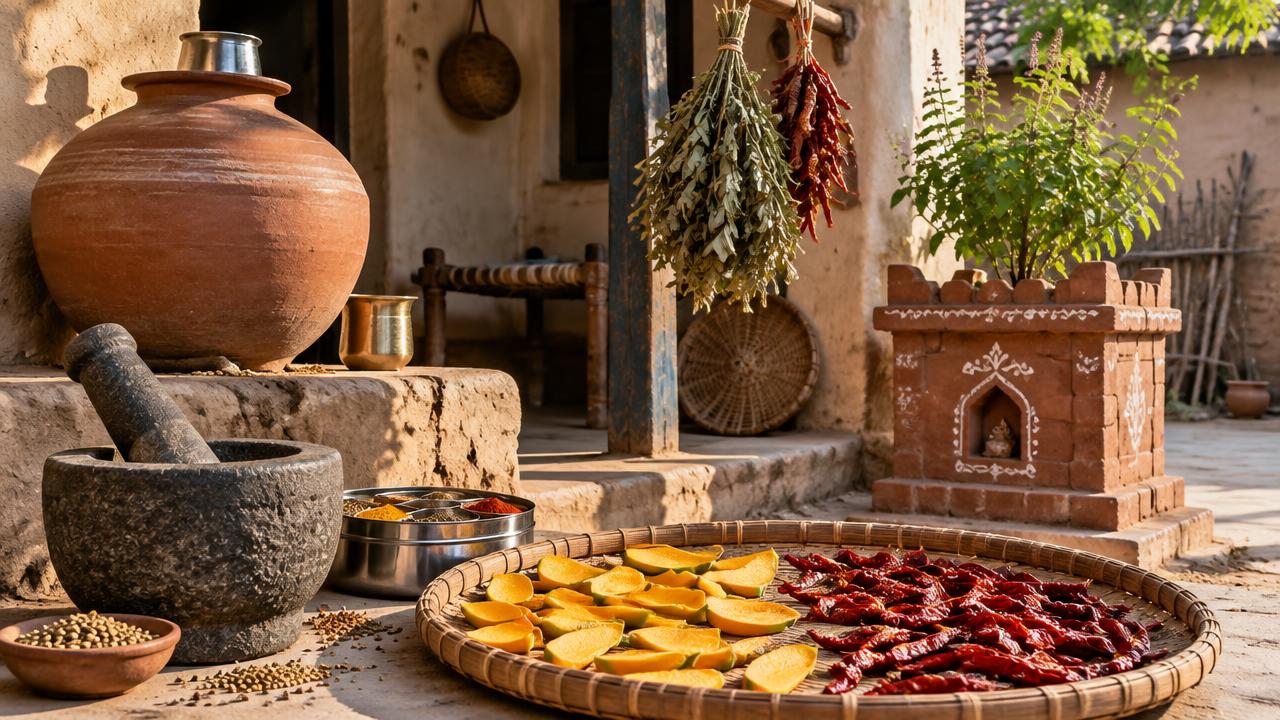
Folk and Household Traditions
The unwritten layer beneath every named system — what mothers, grandmothers and village healers actually did.
Continue exploring
Related on The Wisdom Jar
Ingredient
Turmeric
A warm, golden rhizome treasured for centuries as a kitchen healer for inflammation, immunity, and skin glow.
Read moreIngredient
Ginger
A pungent, warming root used worldwide for nausea, digestion, and respiratory comfort.
Read moreRemedy
Golden Milk for Winter Immunity
A warm, soothing nightly drink of turmeric, milk, and pepper to support immunity and rest.
Read moreRemedy
Ginger-Tulsi Decoction for Cough & Cold
A simple kitchen kadha that soothes scratchy throats and clears mild congestion.
Read moreDaily Wellness
Warm Water on Waking (Ushapan)
A simple, ancient cue that wakes digestion and gently flushes the system.
Read moreDaily Wellness
Tongue Scraping
Remove the overnight coating in 30 seconds — taste, breath and digestion improve.
Read more