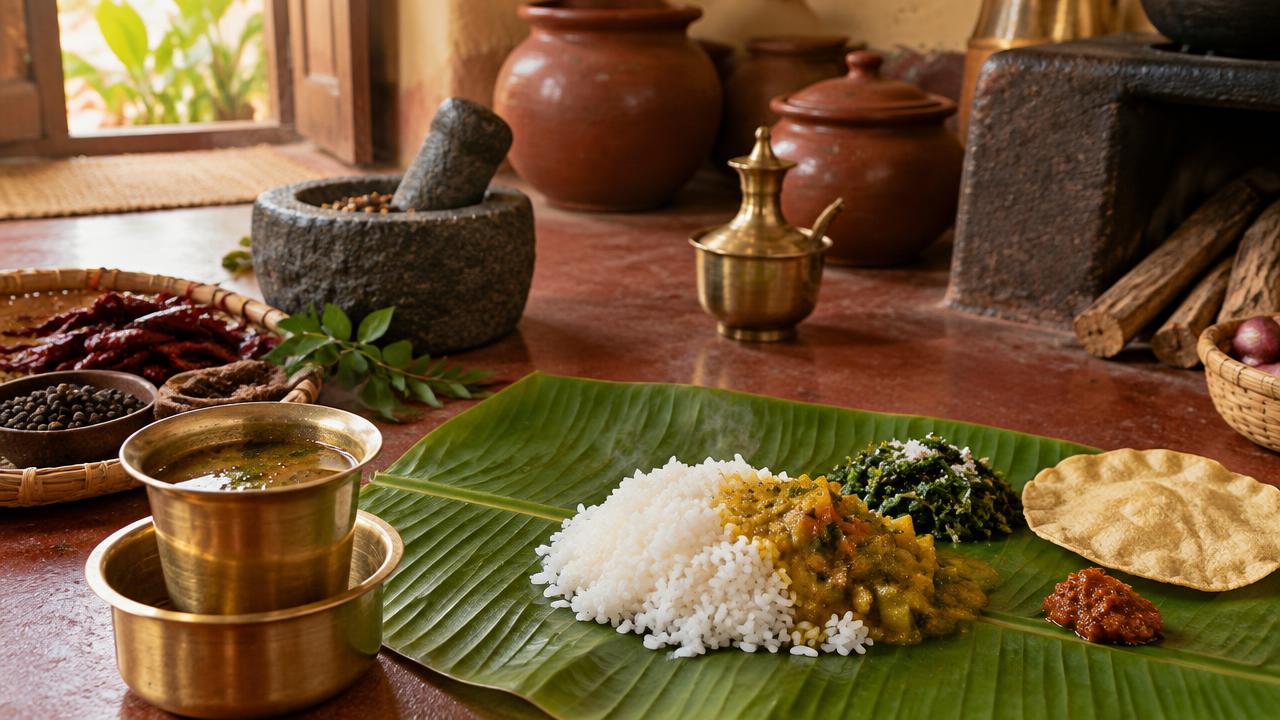
Regional Wisdom
Tamil Nadu and the Siddha Tradition
Rasam at the start of lunch, sesame oil before a bath, and a healing tradition with its own Tamil lineage of siddhars.
Siddha is its own tradition, with its own texts, its own Tamil vocabulary and its own lineage of siddhars — it is not a southern branch of Ayurveda. It developed in the Tamil country, in Tamil, alongside a distinct literary and devotional culture, and it has its own way of describing the body, its own materia medica and its own practitioner training.
The household layer is easy to recognise at a Tamil table. Rasam — tamarind, pepper, cumin, garlic, curry leaf — is served early in the meal and is the everyday comfort food of a cold or a heavy day. Buttermilk cools the hot months. Sesame oil is used generously in cooking and in the ennai kuliyal, the weekend oil bath, traditionally followed by a warm wash with shikakai or arappu.
Seasonality is explicit in Tamil life. The Tamil calendar marks months rather than only seasons, and households shift accordingly: light, sour, cooling food in the fierce agni nakshatram heat; warming, pepper-forward cooking in the damp margazhi mornings. Adi and Thai bring their own foods, and the kanji and koozh of village kitchens follow the harvest, not a recipe book.
Siddha also has a formal, clinical side — kudineer decoctions, chooranam powders, and preparations that use processed minerals and metals. These belong with registered Siddha practitioners, who assess the person before preparing anything. The kitchen layer and the practitioner layer are different things, and the tradition itself keeps them separate.
More from Regional Wisdom
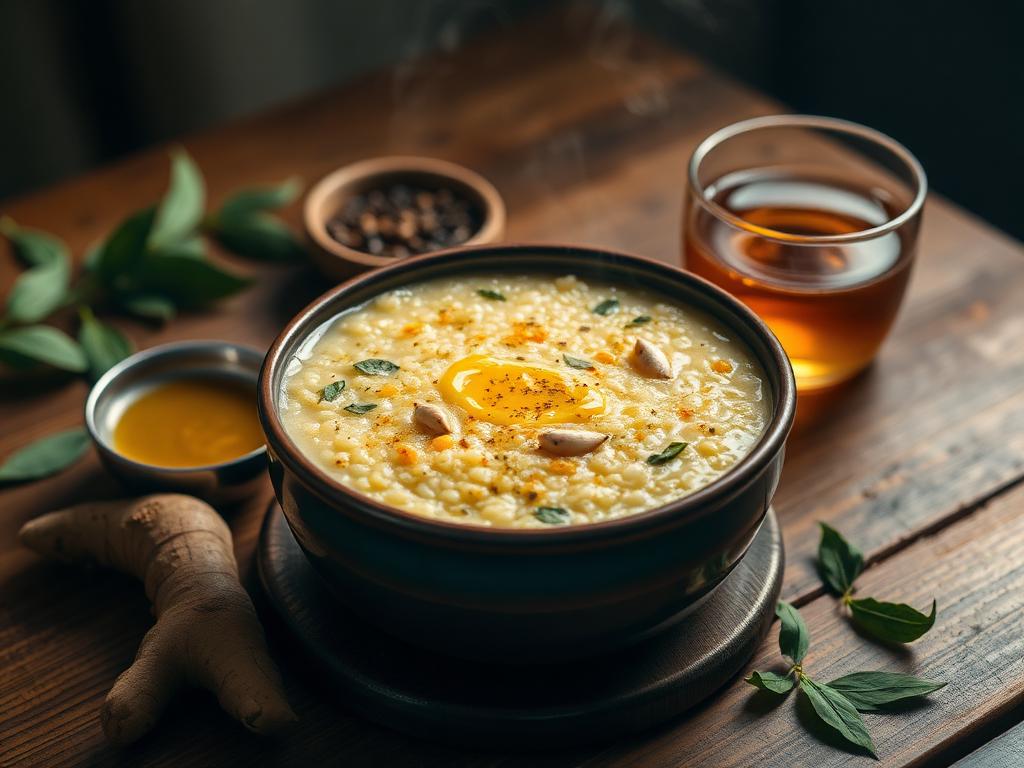
Kerala, Ayurveda and the Monsoon Calendar
Why Kerala became the home of classical panchakarma — and why the monsoon shapes its household calendar.
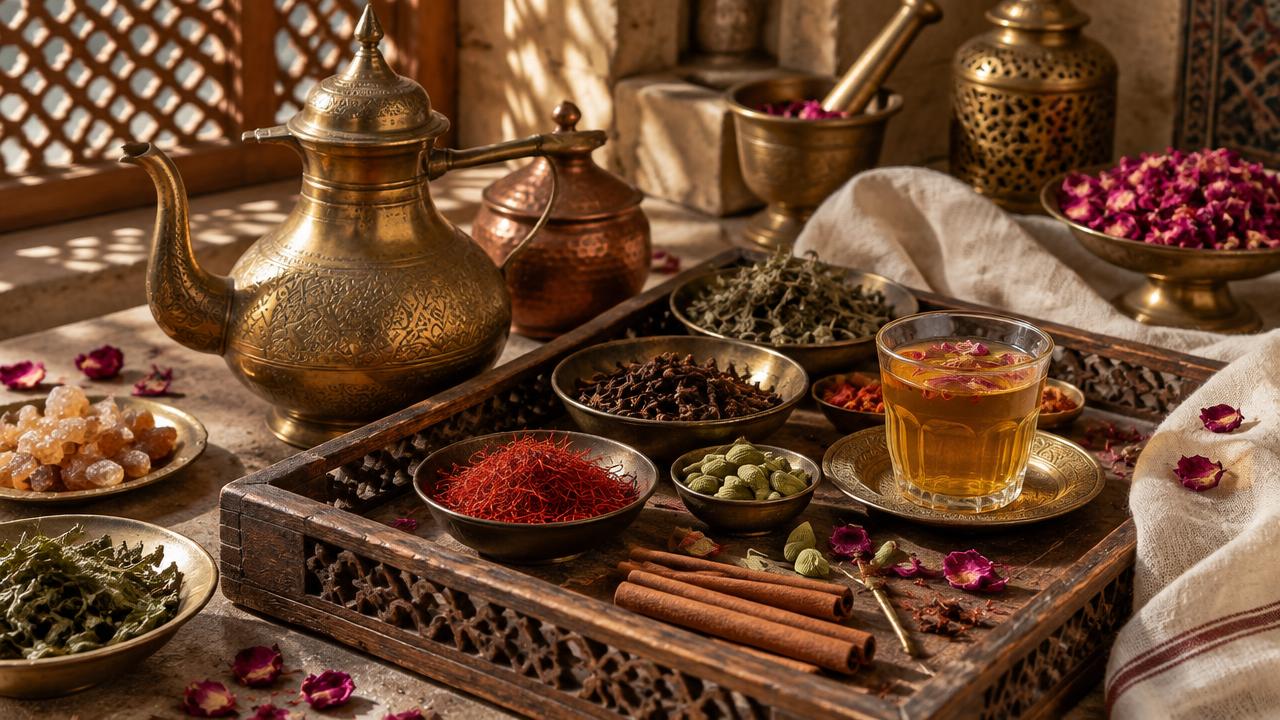
North India and the Unani Tradition
Greco-Arabic medicine that settled into North Indian cities — and the rose, saffron and mint that stayed in the kitchen.
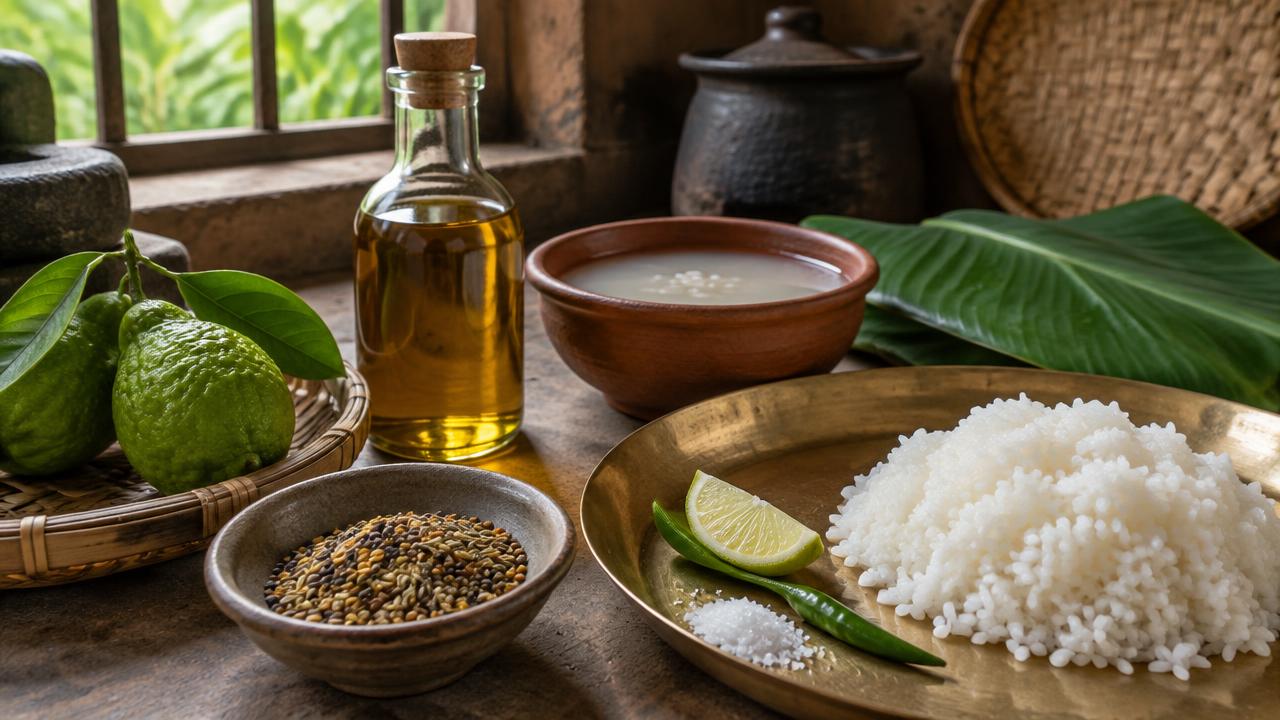
Bengal and the East — Rice, Fish and Fermentation
Panch phoron, mustard oil, gondhoraj lime and panta bhat — an eastern kitchen built around humidity, rivers and rice.
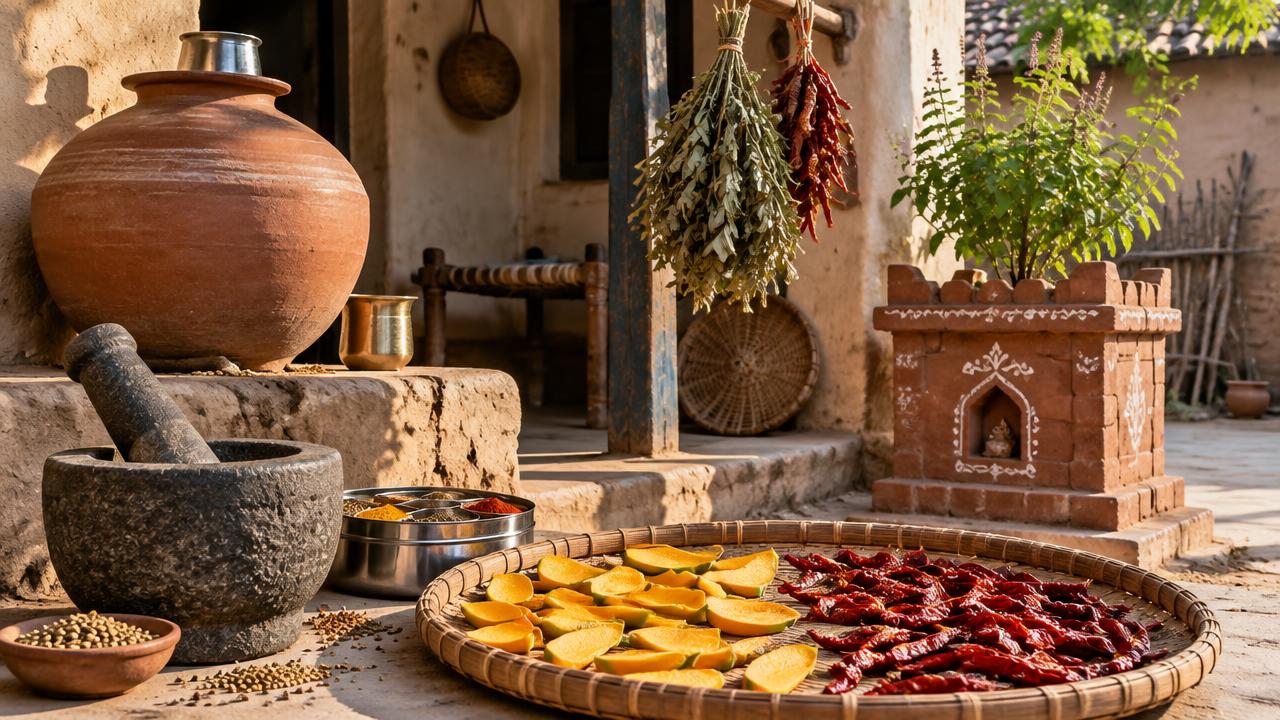
Folk and Household Traditions
The unwritten layer beneath every named system — what mothers, grandmothers and village healers actually did.
Continue exploring
Related on The Wisdom Jar
Healing Recipe
South Indian Rasam
A thin, peppery tamarind broth that doubles as cold-and-flu medicine.
Read moreIngredient
Turmeric
A warm, golden rhizome treasured for centuries as a kitchen healer for inflammation, immunity, and skin glow.
Read moreIngredient
Ginger
A pungent, warming root used worldwide for nausea, digestion, and respiratory comfort.
Read moreRemedy
Golden Milk for Winter Immunity
A warm, soothing nightly drink of turmeric, milk, and pepper to support immunity and rest.
Read moreRemedy
Ginger-Tulsi Decoction for Cough & Cold
A simple kitchen kadha that soothes scratchy throats and clears mild congestion.
Read moreDaily Wellness
Warm Water on Waking (Ushapan)
A simple, ancient cue that wakes digestion and gently flushes the system.
Read more