Regional Wisdom
Coastal India — Coconut, Sour Fruit and Sea Air
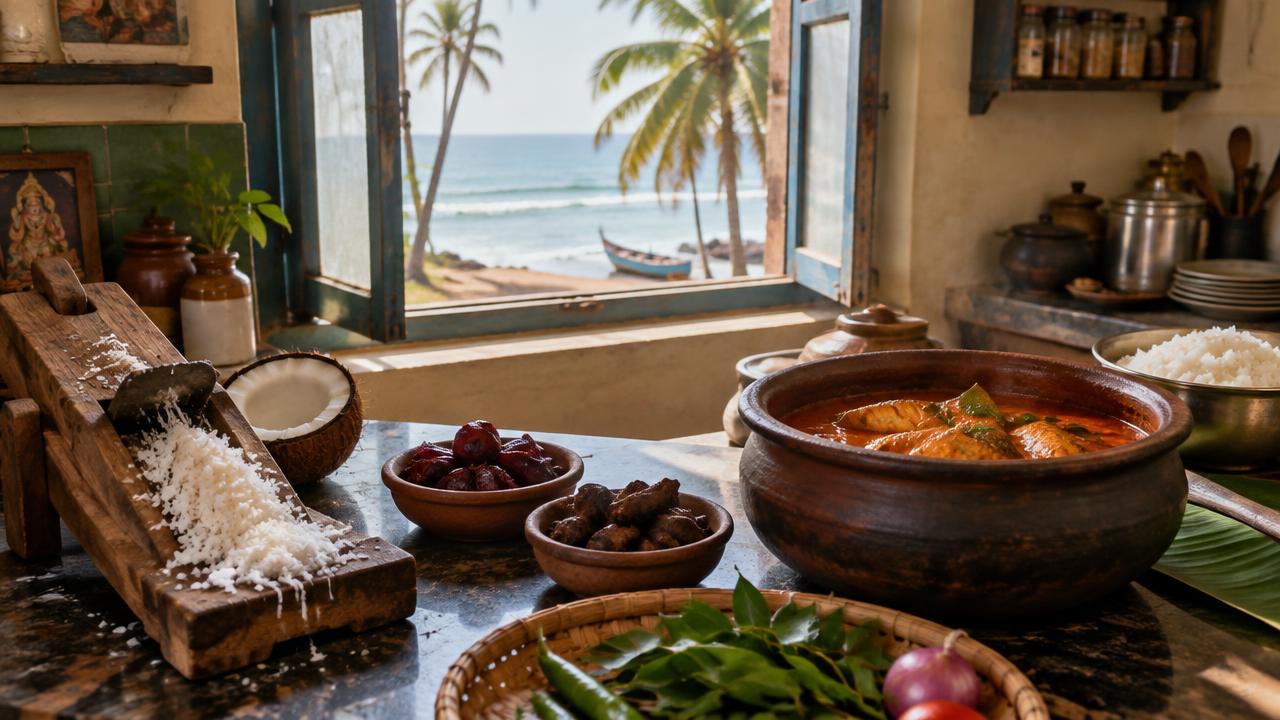
From Konkan to Coromandel, a shared coastal logic: coconut, a souring agent, curry leaf and food that suits humid heat.
India's coastline runs for thousands of kilometres and carries several distinct cuisines — Konkan, Malvani, Goan, Mangalorean, Malabar, Kerala, Coromandel, Andhra's coast, Odisha's and Bengal's delta. They are not one tradition, but the climate gave them overlapping answers.
Coconut is the first. Grated fresh, ground into a masala, squeezed for milk, pressed for oil — it is the fat and the body of coastal cooking wherever the palm grows. Rice, not wheat, is the grain. Fish and seafood are everyday protein, and the cooking is usually quick.
The second shared element is a souring agent, chosen locally: kokum along the Konkan, tamarind down the east coast, raw mango in season, vinegar in Goa, gondhoraj lime in Bengal. Sol kadhi — kokum with coconut milk — closes a Konkani meal the way buttermilk closes one inland. Sourness makes sense in humid heat: it lifts heavy food, suits the appetite and pairs well with fish.
Curry leaf, ginger, green chilli, black pepper, mustard seed and asafoetida form the working spice base, with pepper especially prominent on the Malabar coast where it grew. Fermented batters — dosa, idli, appam, pitha — are another coastal habit that humidity makes easy.
The seasonal shift is sharp. Monsoon closes the fishing season along much of the coast, so households turn to dried fish, pulses, seasonal greens, jackfruit and stored rice; kitchens go lighter and warmer through the wettest weeks. The intense pre-monsoon heat brings coconut water, buttermilk, rice gruel, tender coconut and cooling rice preparations.
Household habits follow the sea air: coconut or sesame oil for hair and skin against salt and sun, dry clothes and dry hair through the damp months, and food eaten freshly cooked rather than stored. The coasts were solving a humid, salty, high-rainfall problem, and their kitchens still show it.
More from Regional Wisdom
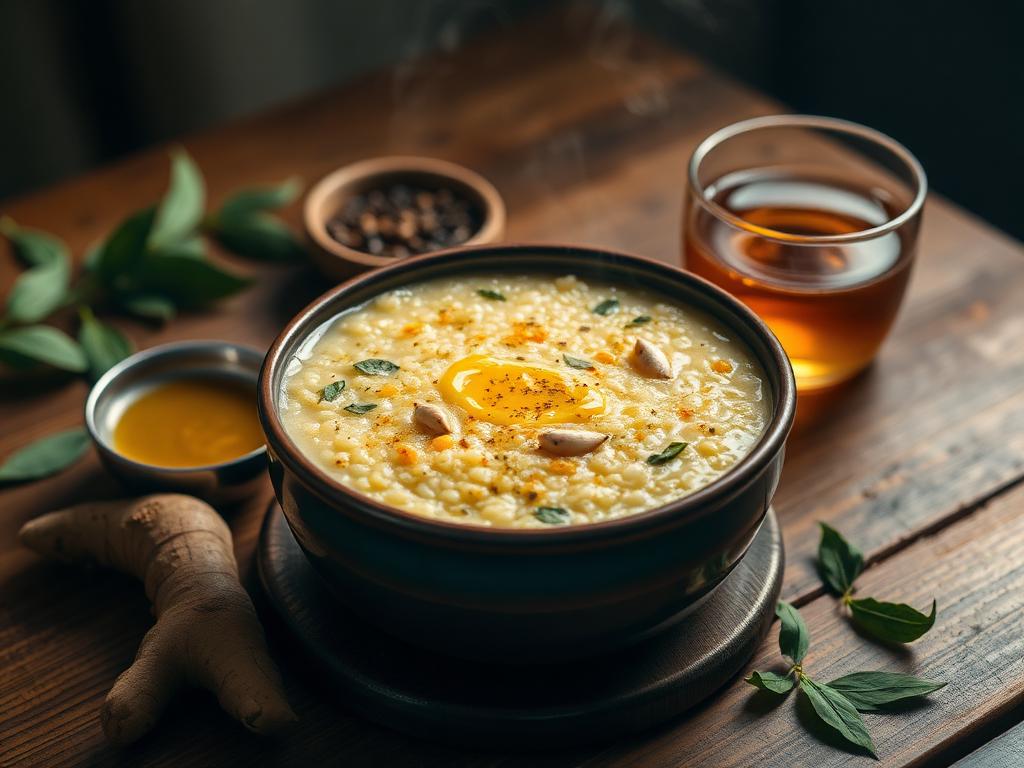
Kerala, Ayurveda and the Monsoon Calendar
Why Kerala became the home of classical panchakarma — and why the monsoon shapes its household calendar.
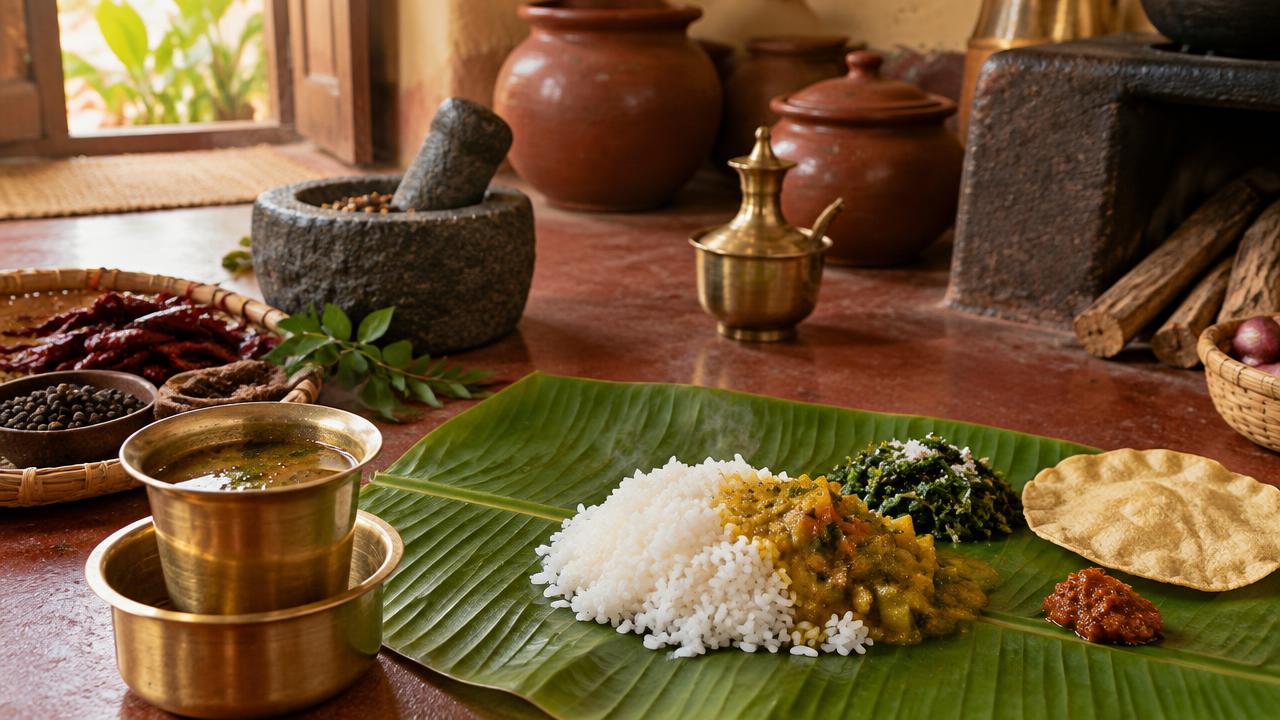
Tamil Nadu and the Siddha Tradition
Rasam at the start of lunch, sesame oil before a bath, and a healing tradition with its own Tamil lineage of siddhars.
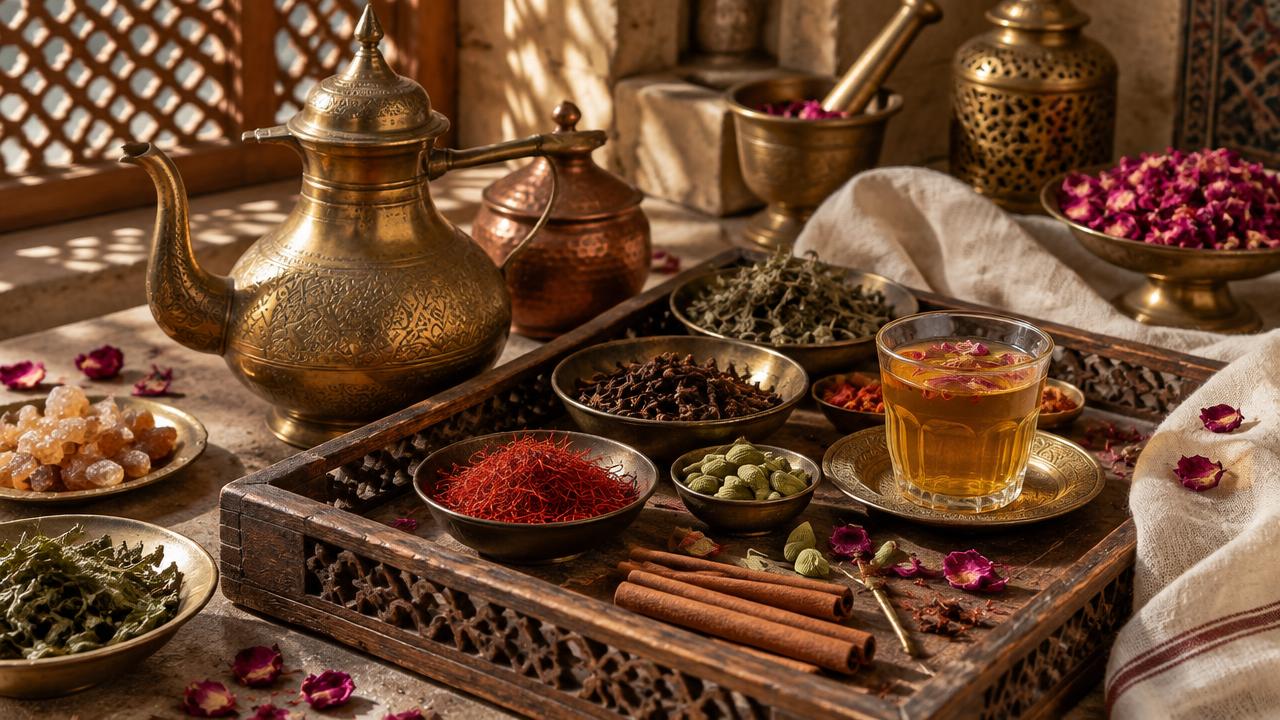
North India and the Unani Tradition
Greco-Arabic medicine that settled into North Indian cities — and the rose, saffron and mint that stayed in the kitchen.
Bengal and the East — Rice, Fish and Fermentation
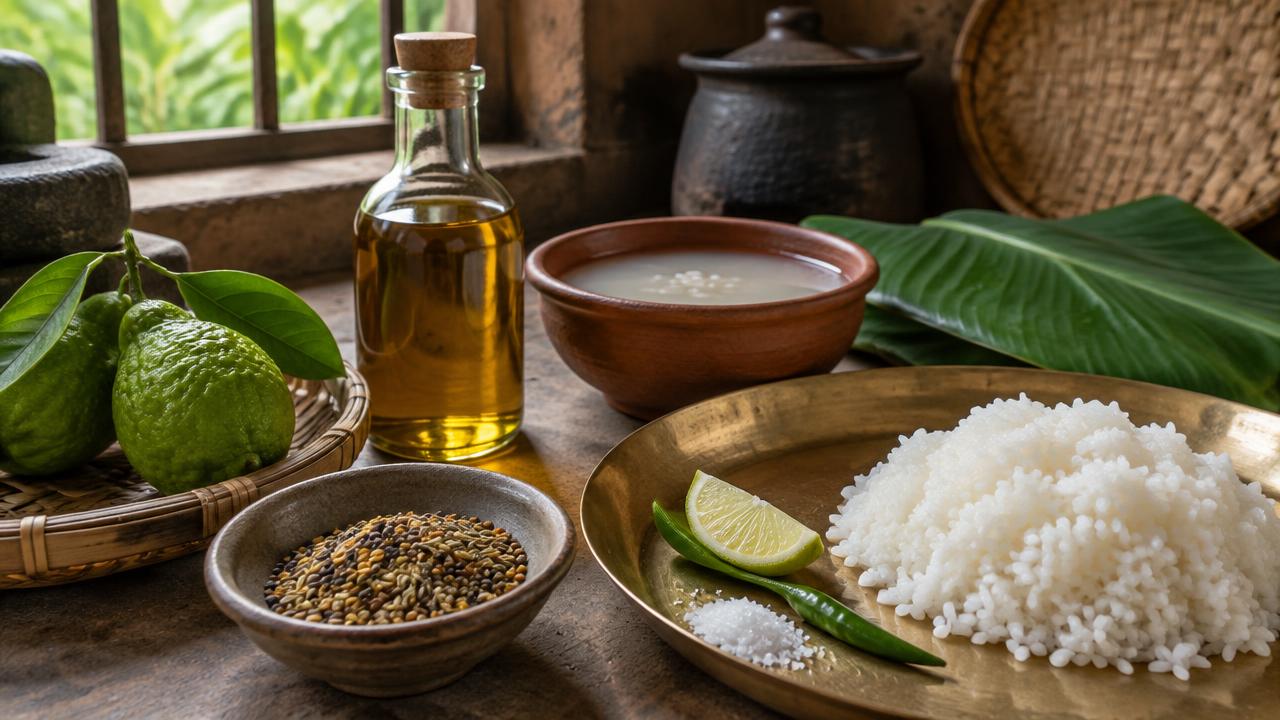
Panch phoron, mustard oil, gondhoraj lime and panta bhat — an eastern kitchen built around humidity, rivers and rice.
Continue exploring
Related on The Wisdom Jar
Remedy
Ginger-Tulsi Decoction for Cough & Cold
A simple kitchen kadha that soothes scratchy throats and clears mild congestion.
Read moreDaily Wellness
Monsoon Immunity Care
Warming kadhas, ginger tea, ghee — protect the gut during the rains.
Read moreIngredient
Turmeric
A warm, golden rhizome treasured for centuries as a kitchen healer for inflammation, immunity, and skin glow.
Read moreIngredient
Ginger
A pungent, warming root used worldwide for nausea, digestion, and respiratory comfort.
Read moreRemedy
Golden Milk for Winter Immunity
A warm, soothing nightly drink of turmeric, milk, and pepper to support immunity and rest.
Read moreDaily Wellness
Warm Water on Waking (Ushapan)
A simple, ancient cue that wakes digestion and gently flushes the system.
Read more