
Regional Wisdom
North, South, East, West — Different Kitchens, Shared Questions
A Bengali grandmother reaches for kalonji where a Punjabi one reaches for ajwain. The kitchens differ; so do the traditions behind them.
A Tamil household begins lunch with rasam where a Gujarati one begins with chaas. A Kashmiri winter calls for kahwa where a Bengali one calls for gondhoraj. What grows nearby, what the climate demands and what the local culture values all shape the answer.
It is tempting to flatten this into one system. It isn't one. Ayurveda, Siddha, Unani and Sowa-Rigpa are distinct traditions with separate origins, languages, texts and training: Ayurveda in Sanskrit sources across the subcontinent, Siddha in Tamil with its own siddhar lineage, Unani from Greco-Arabic scholarship carried into North Indian cities, Sowa-Rigpa from Tibetan and Himalayan Buddhist practice. Alongside them sit countless folk lineages that were never written down at all.
What they share is not a common system but a set of similar questions: how does the weather change what a body needs? What should be eaten when it is cold, or damp, or unbearably hot? What steadies digestion, sleep and routine? Different histories and climates produced different answers, and the differences are the interesting part.
So read the regions side by side without ranking them, and without merging them. A coastal monsoon kitchen and a dry northern winter kitchen are solving different problems with different inheritances — and each is worth understanding on its own terms.
More from Regional Wisdom
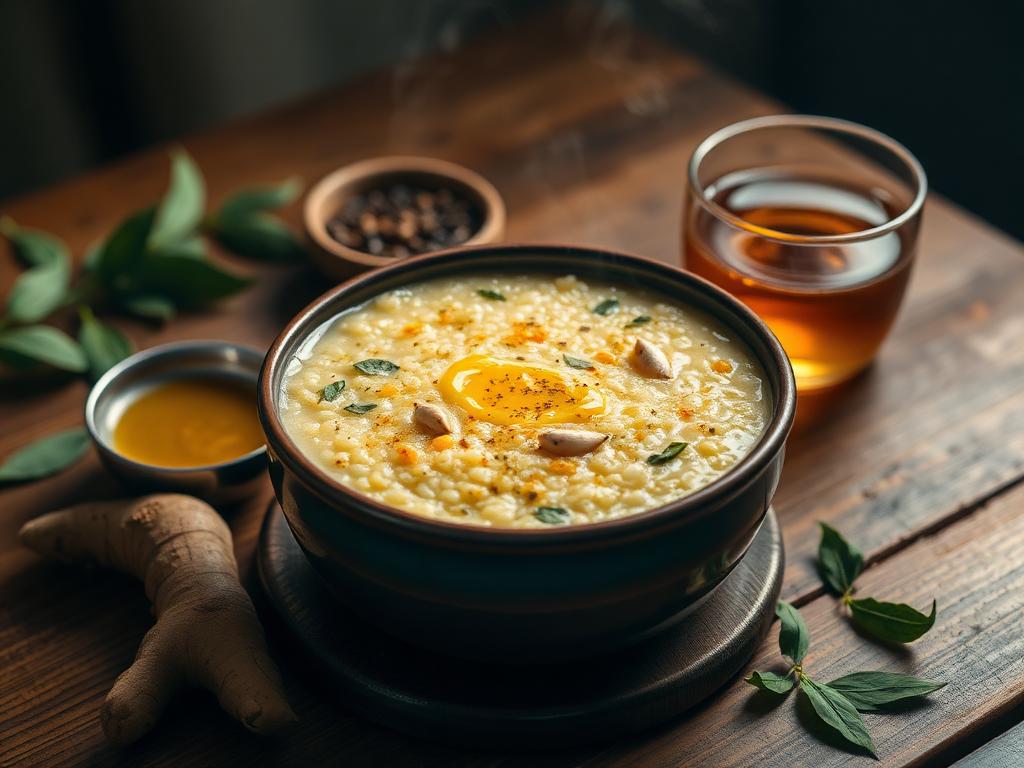
Kerala, Ayurveda and the Monsoon Calendar
Why Kerala became the home of classical panchakarma — and why the monsoon shapes its household calendar.
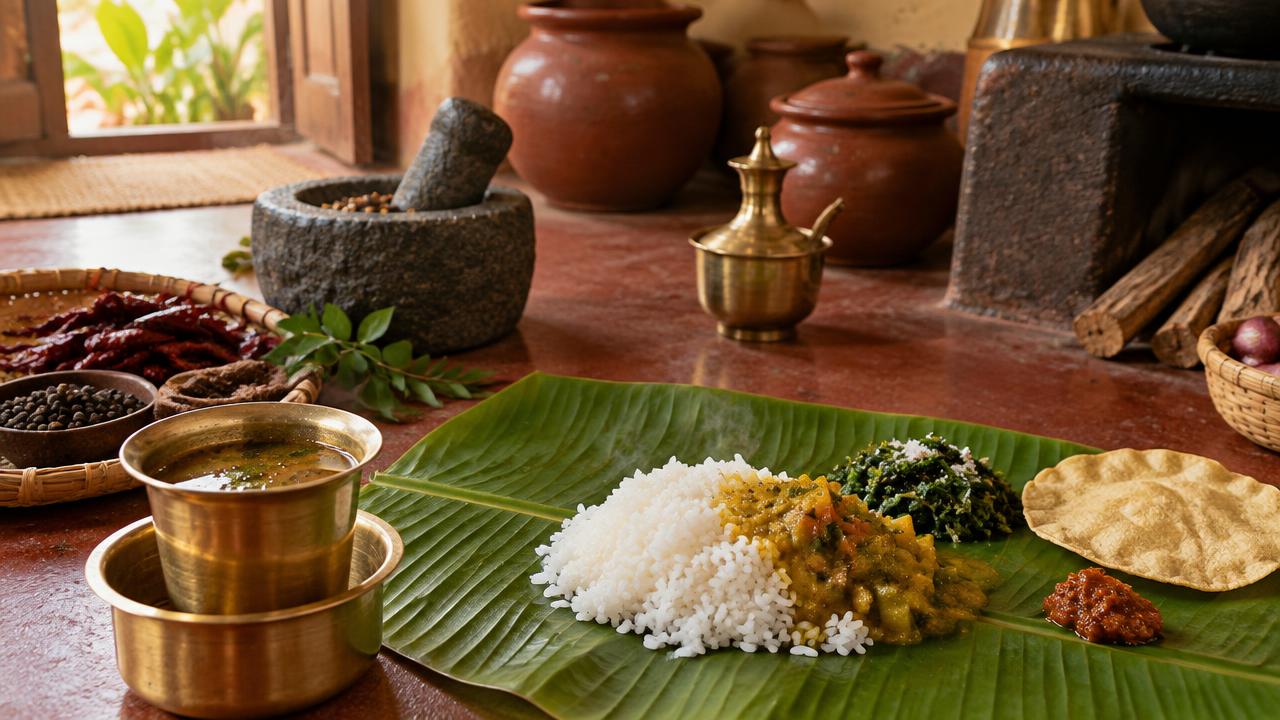
Tamil Nadu and the Siddha Tradition
Rasam at the start of lunch, sesame oil before a bath, and a healing tradition with its own Tamil lineage of siddhars.
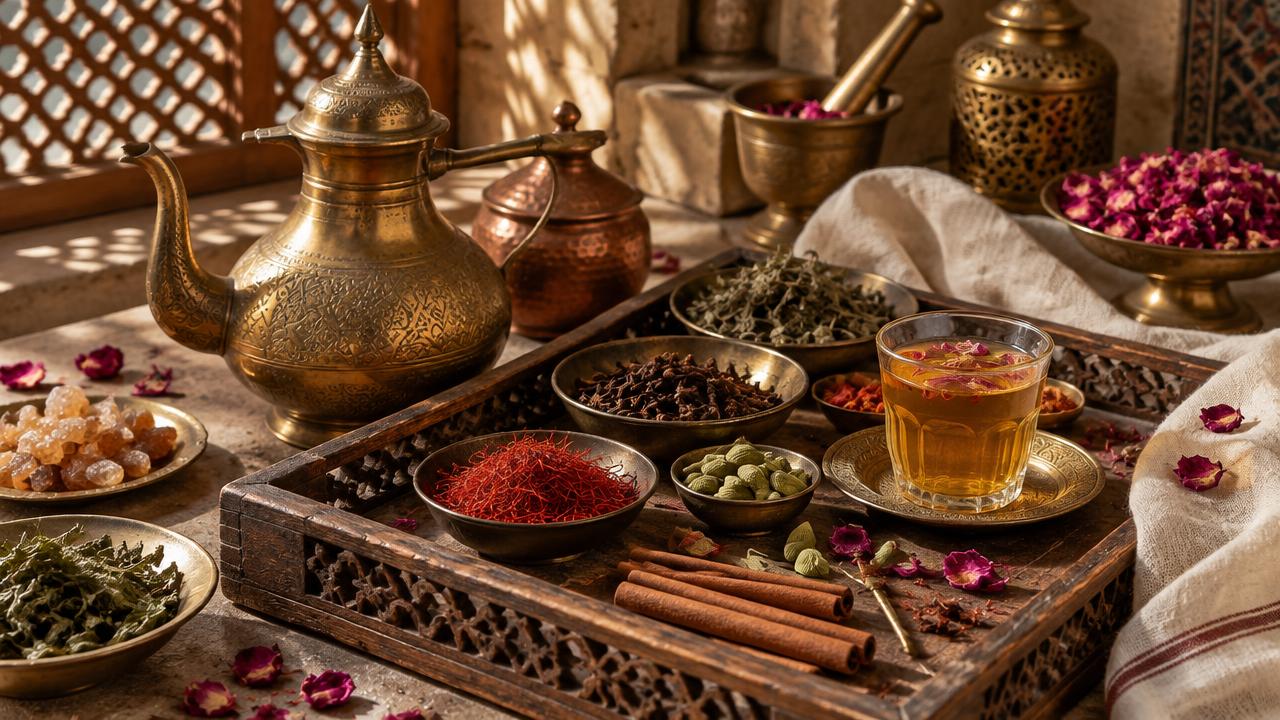
North India and the Unani Tradition
Greco-Arabic medicine that settled into North Indian cities — and the rose, saffron and mint that stayed in the kitchen.
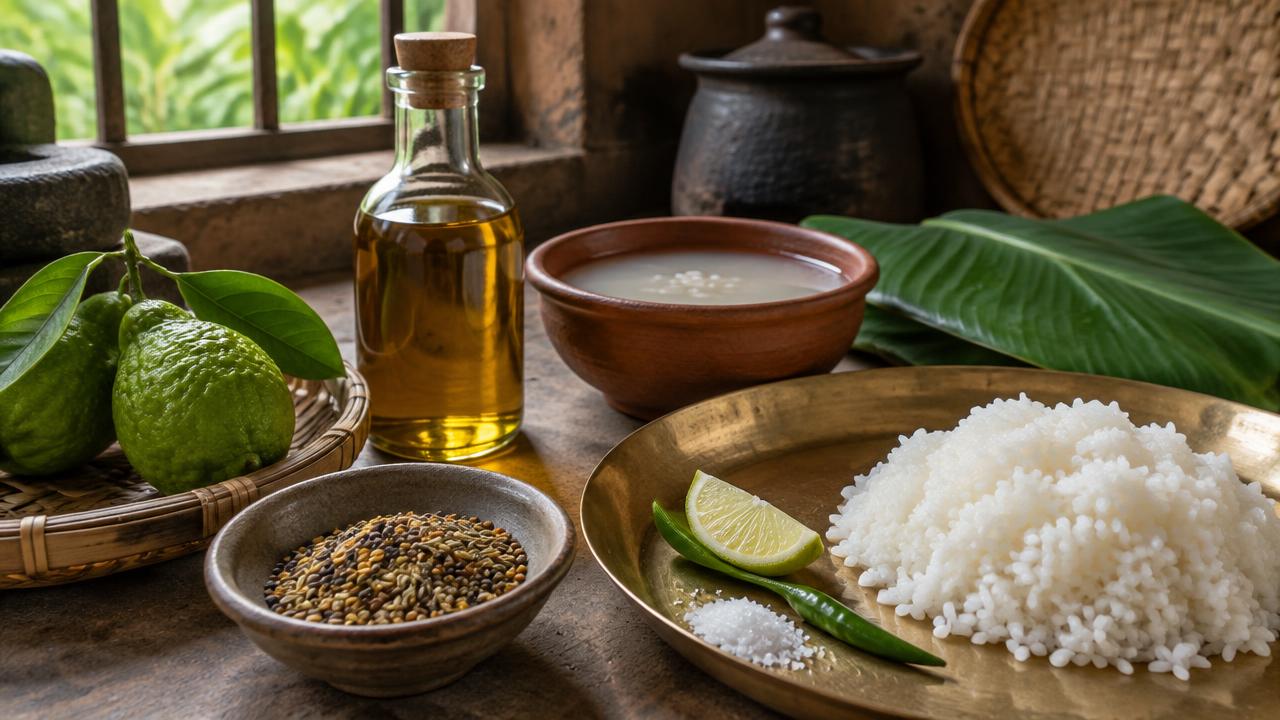
Bengal and the East — Rice, Fish and Fermentation
Panch phoron, mustard oil, gondhoraj lime and panta bhat — an eastern kitchen built around humidity, rivers and rice.
Continue exploring
Related on The Wisdom Jar
Ingredient
Turmeric
A warm, golden rhizome treasured for centuries as a kitchen healer for inflammation, immunity, and skin glow.
Read moreIngredient
Ginger
A pungent, warming root used worldwide for nausea, digestion, and respiratory comfort.
Read moreRemedy
Golden Milk for Winter Immunity
A warm, soothing nightly drink of turmeric, milk, and pepper to support immunity and rest.
Read moreRemedy
Ginger-Tulsi Decoction for Cough & Cold
A simple kitchen kadha that soothes scratchy throats and clears mild congestion.
Read moreDaily Wellness
Warm Water on Waking (Ushapan)
A simple, ancient cue that wakes digestion and gently flushes the system.
Read moreDaily Wellness
Tongue Scraping
Remove the overnight coating in 30 seconds — taste, breath and digestion improve.
Read more