
Grandmother's Wisdom
What Migration and Nuclear Households Changed
The single biggest break in household transmission was not disbelief. It was distance, smaller homes and the loss of the people who taught by being present.
Household knowledge was transmitted by proximity. It needed an elder in the same house, a task being done in front of a learner, and repetition across seasons. Large-scale movement to cities through the twentieth century, smaller nuclear households, migration abroad, and the rise of paid work outside the home removed those conditions faster than any argument about whether the knowledge was valid.
Specific things went first. Practices that needed a live teacher and many repetitions — postpartum care, infant massage, judging a convalescent's appetite, seasonal bulk preparation — depended on an experienced person being available for weeks. Practices needing space, sun and time, such as pickling and drying, do not fit a small apartment. And practices tied to a local crop or climate stopped making sense once a family moved to a different one.
Other things travelled easily. Comfort food survived migration almost perfectly. So did vocabulary, the instinct to cook plainly for someone unwell, festival cooking, and the sense that certain foods belong to certain seasons even where the season no longer applies.
New carriers replaced the old ones only partially. The phone call to a mother or mother-in-law, the family recipe group, the relative who sends packets of homemade powders, cookbooks, video and search results now all do some of the work an elder once did — with the difference that advice is now requested at a moment of need rather than absorbed continuously in the background.
This is also the honest reason a site like this exists: to hold fragments that used to live in households. It is cultural documentation, not a replacement for the elder who was present, and not medical guidance. For anything concerning health, a qualified professional remains the right source.
More from Grandmother's Wisdom
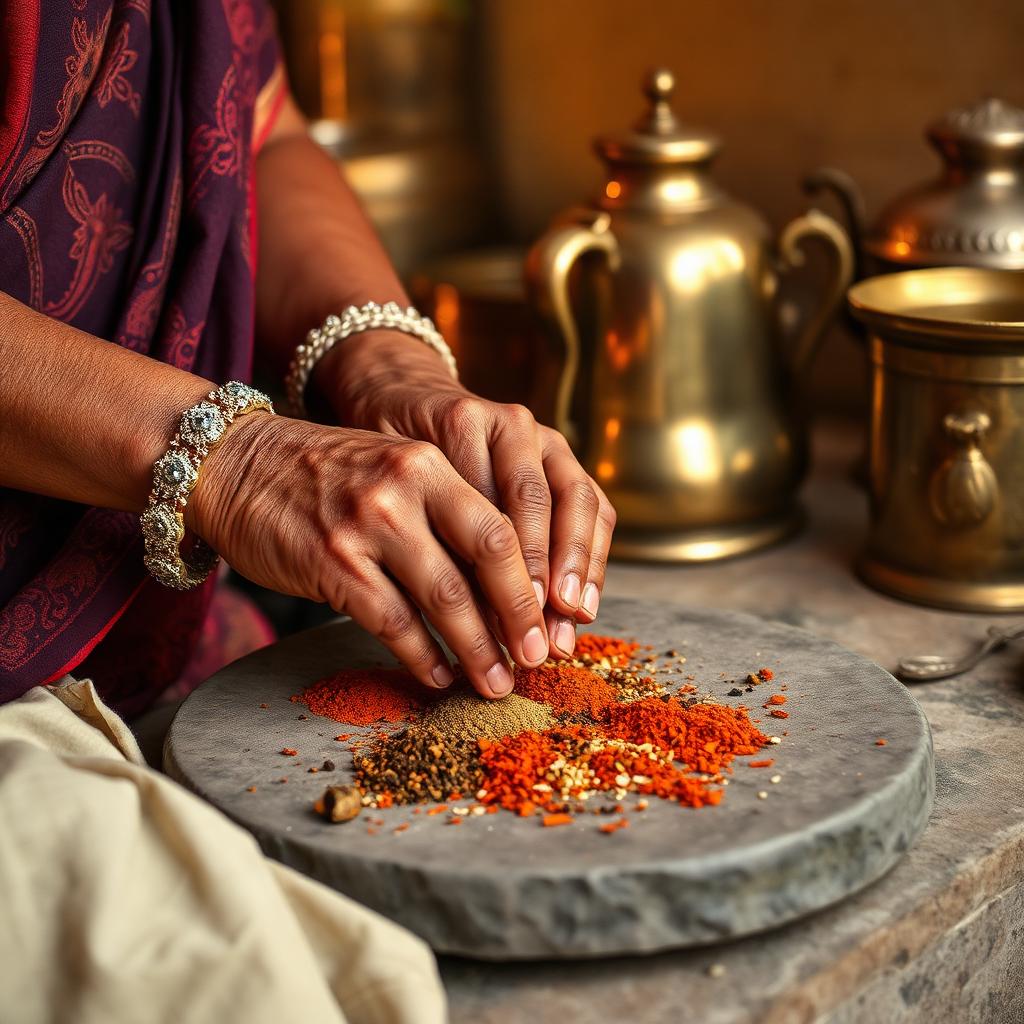
Who Taught Whom: Dadi, Nani and the Household Line
Household knowledge rarely came from one person. It arrived through a specific chain of relatives, neighbours and elders — and who taught whom shaped what survived.
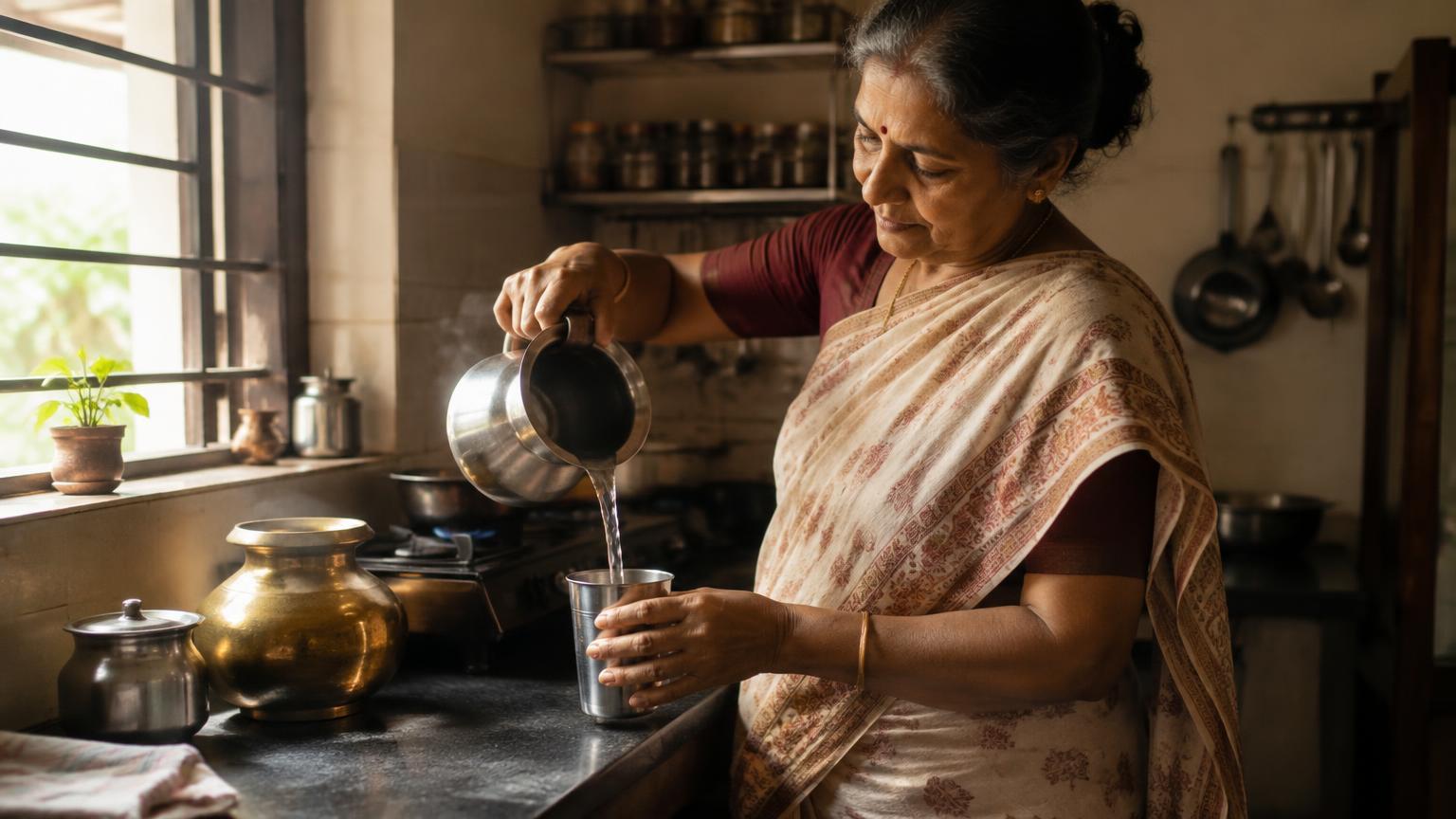
The Daily Household Rhythm
Morning, meals, evening, bedtime — the fixed shape of a household day carried most of its health knowledge without ever naming it as such.
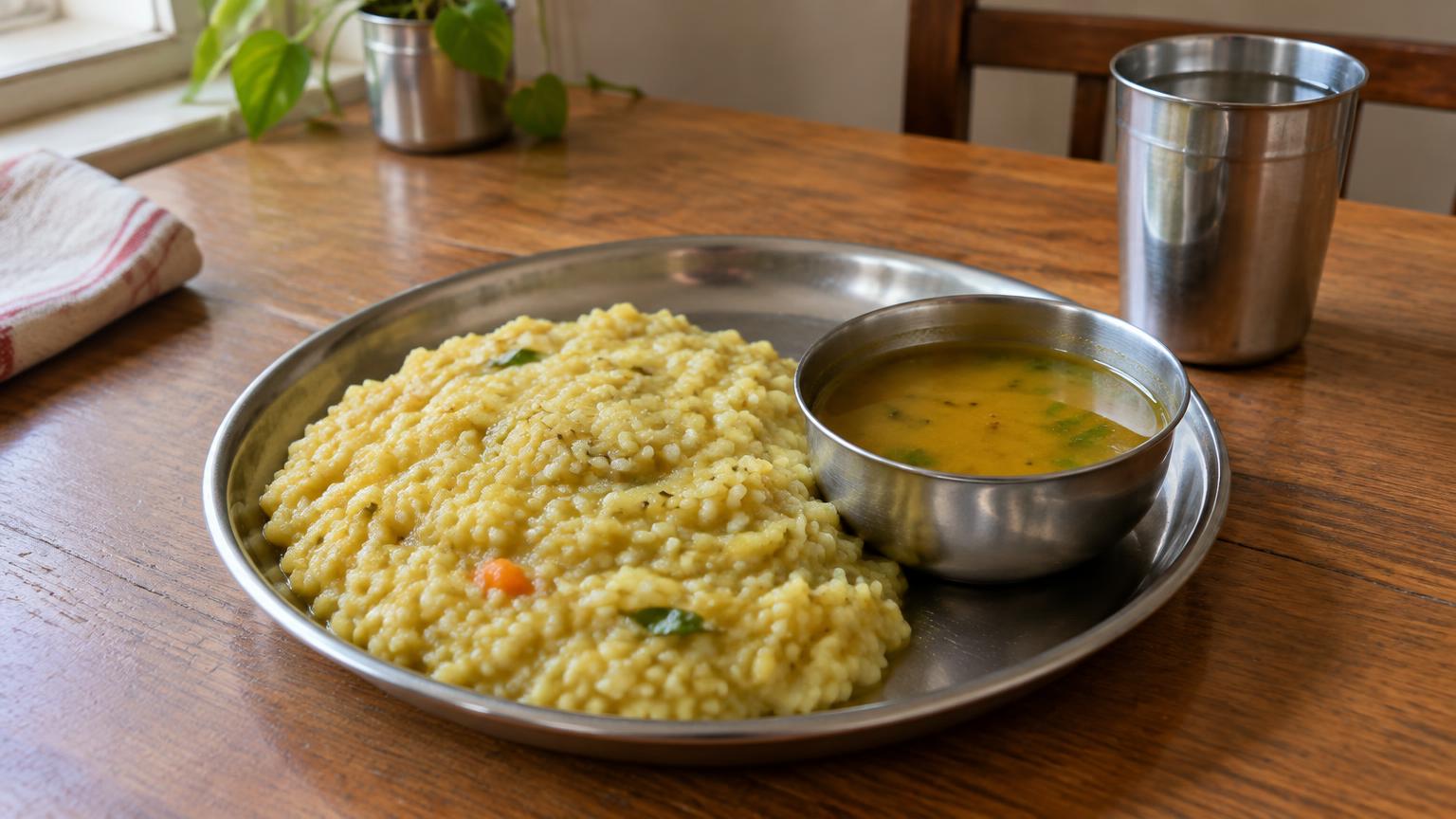
Feeding Someone Who Was Unwell
Every household had a separate way of cooking for the sick and the recovering — simpler, softer, and watched closely by whoever was in charge.
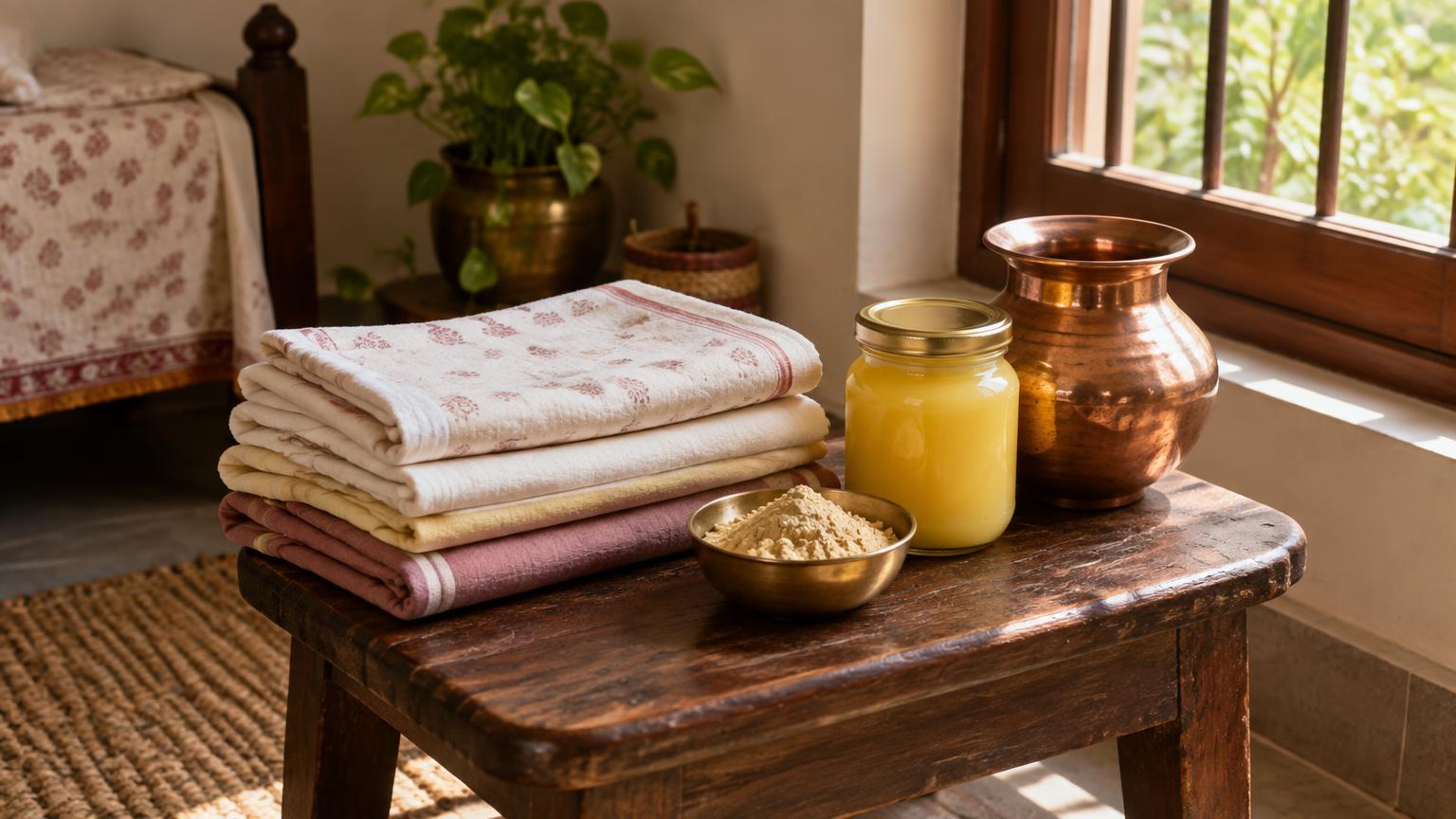
New Mothers and Infant Care: A Household Tradition
The weeks after birth were among the most organised periods in household life — and among the most important to read as culture rather than as guidance.
Continue exploring
Related on The Wisdom Jar
Ingredient
Turmeric
A warm, golden rhizome treasured for centuries as a kitchen healer for inflammation, immunity, and skin glow.
Read moreIngredient
Ginger
A pungent, warming root used worldwide for nausea, digestion, and respiratory comfort.
Read moreRemedy
Golden Milk for Winter Immunity
A warm, soothing nightly drink of turmeric, milk, and pepper to support immunity and rest.
Read moreRemedy
Ginger-Tulsi Decoction for Cough & Cold
A simple kitchen kadha that soothes scratchy throats and clears mild congestion.
Read moreDaily Wellness
Warm Water on Waking (Ushapan)
A simple, ancient cue that wakes digestion and gently flushes the system.
Read moreDaily Wellness
Tongue Scraping
Remove the overnight coating in 30 seconds — taste, breath and digestion improve.
Read more