Seasonal Customs
Vasanta: Spring and the Season of Lightening
Why Indian households turn bitter, light and active as winter thaws — the first of the six classical ritus.
In the classical ritu framework the year is divided into six seasons rather than four, and Vasanta — roughly mid-February to mid-April across much of India — is the season of thawing. The traditional reading is simple: what the cold months stored, the warming sun now loosens. Heaviness, congestion and sluggish mornings are described as the expected feel of the season rather than as illness.
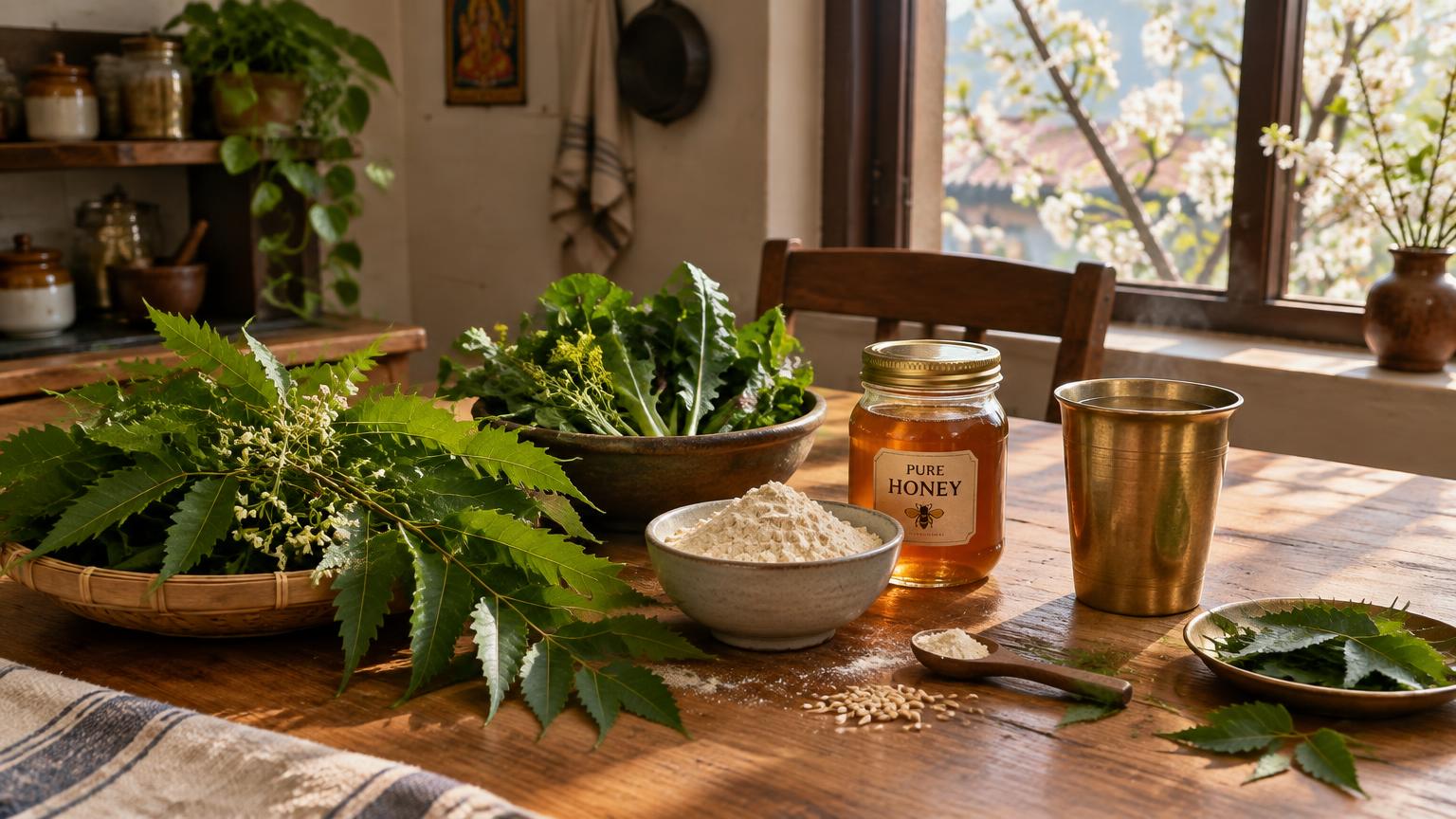
The household response is a lightening of the kitchen. Winter's ghee-rich sweets, dense dry-fruit preparations and long-cooked meats give way to barley, older grains, honey in place of heavier sweeteners, and a noticeably larger share of bitter and astringent tastes. Neem shoots, methi greens, drumstick flowers, raw turmeric and sahjan appear in many regional kitchens for a few weeks and then vanish for the year.
Routine shifts alongside food. Spring is traditionally the season for earlier waking, more movement, brisk walking and spring cleaning of both cupboards and cooking — and for being wary of long daytime sleep, which classical writing treats as particularly unsuited to this ritu.
Vasanta is also a transition season. The cusp between winter and spring, and again between spring and summer, is where households traditionally change things gradually rather than all at once: sesame oil eases off before coconut oil comes in, and the last of the winter sweets are finished rather than continued into the heat.
A plain modern note: spring in India is also a high pollen and allergy period. Seasonal food habits are cultural everyday practice, not a substitute for care — breathlessness, wheezing, a fever that will not settle or symptoms that worsen need a clinician, not a kitchen adjustment.
The festival layer of this season — Holi's neem and kanji — is covered in Festival Traditions, and the regional versions of spring eating appear in Regional Wisdom.
More from Seasonal Customs
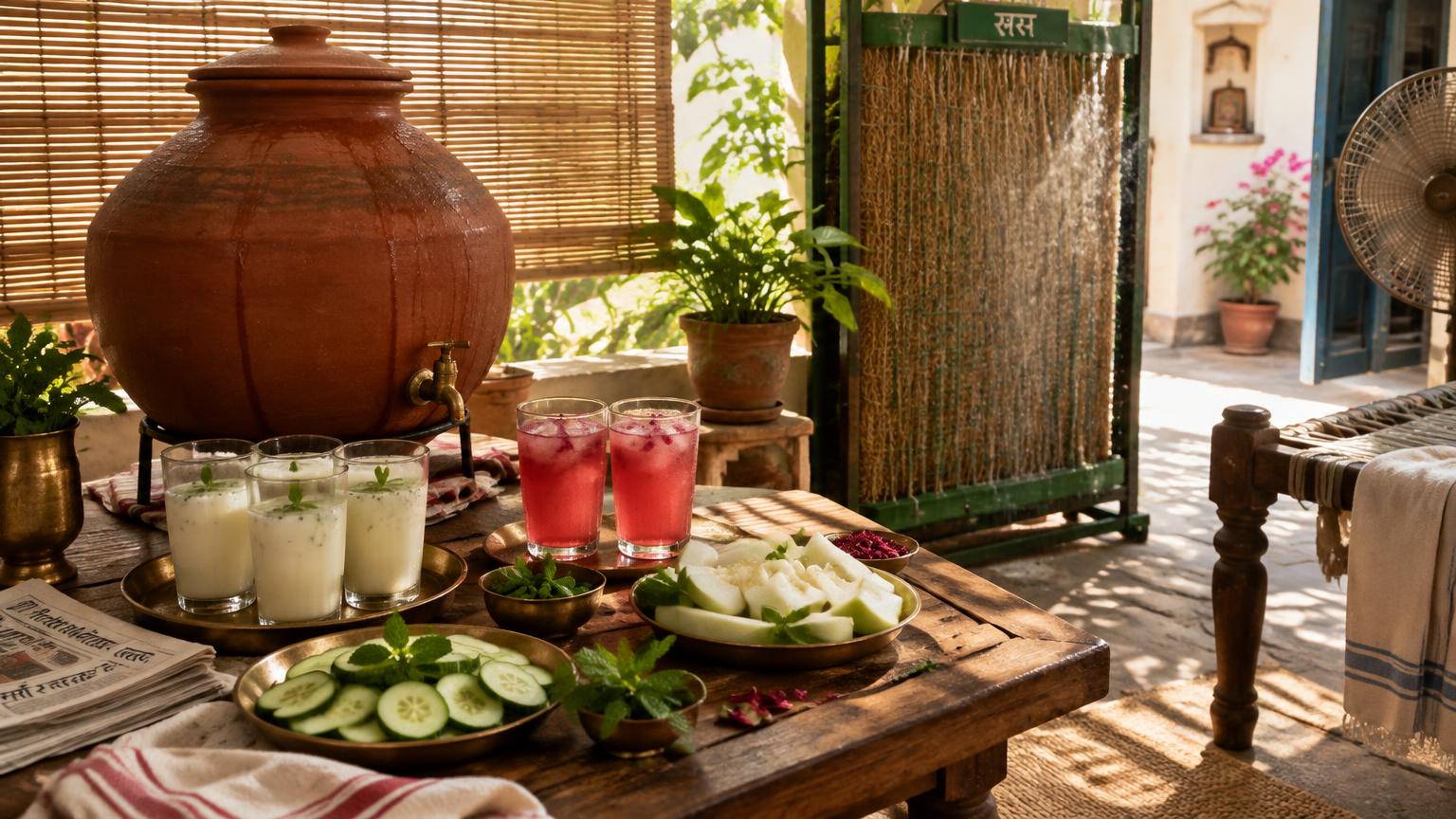
Grishma: Summer and the Household Art of Cooling
Matka water, buttermilk at noon, khus screens and smaller meals — how homes handled real heat before refrigeration.
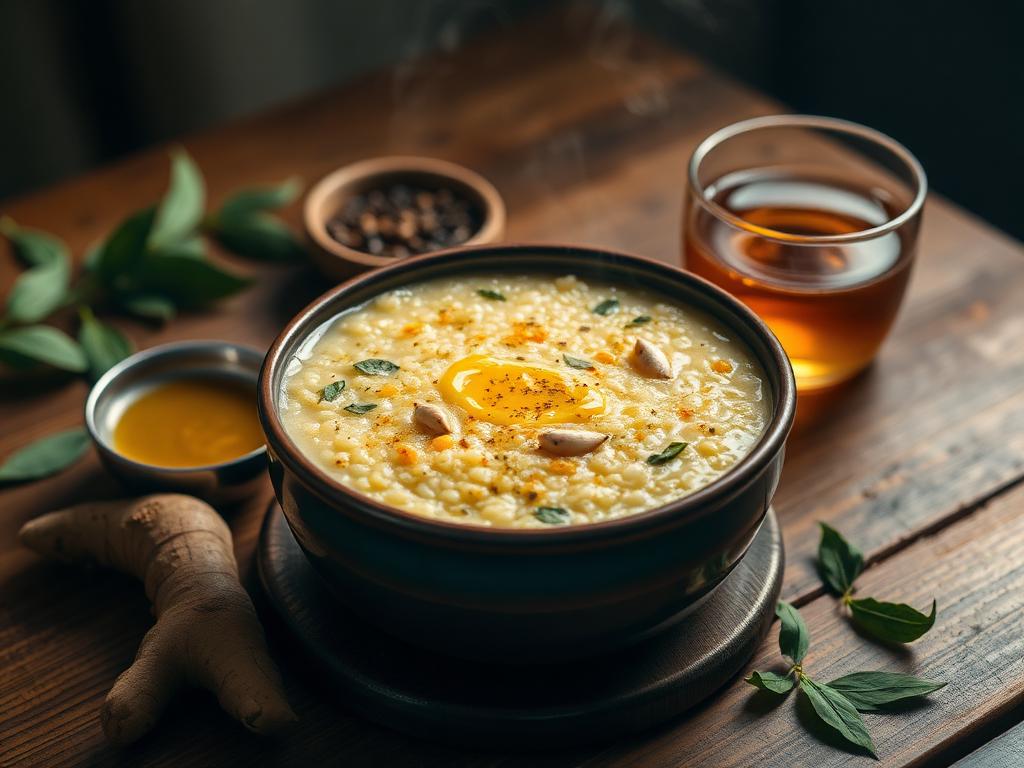
Varsha: Monsoon Care — Eat Light, Sip Warm, Move Gently
How traditional households shift cooking and routine when the rains arrive — damp air, slow digestion, quieter appetite.
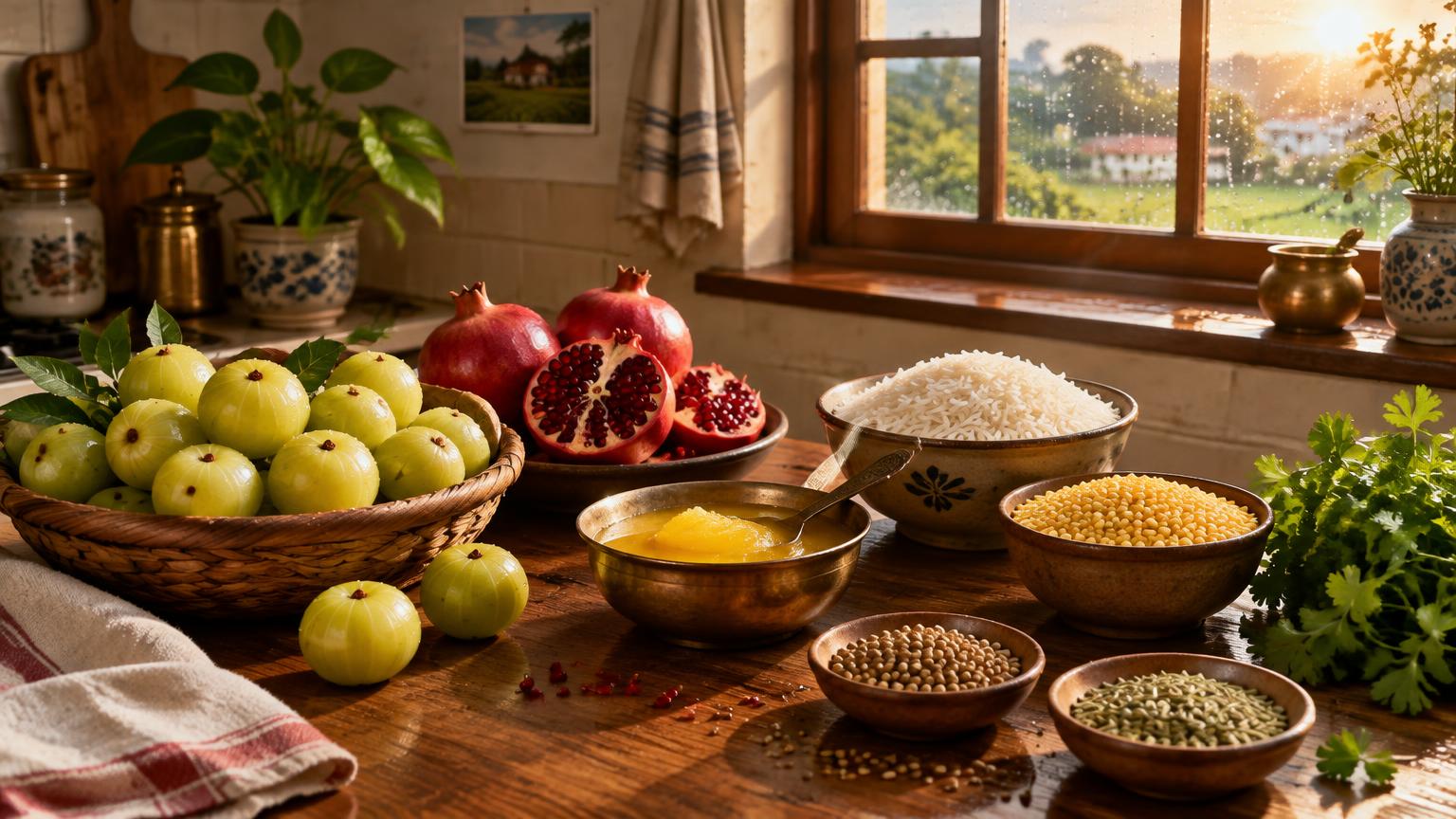
Sharad: The Post-Monsoon Season of Cooling Down
Clear skies, returning appetite and a household turn toward amla, ghee and gentler food — the most overlooked ritu.
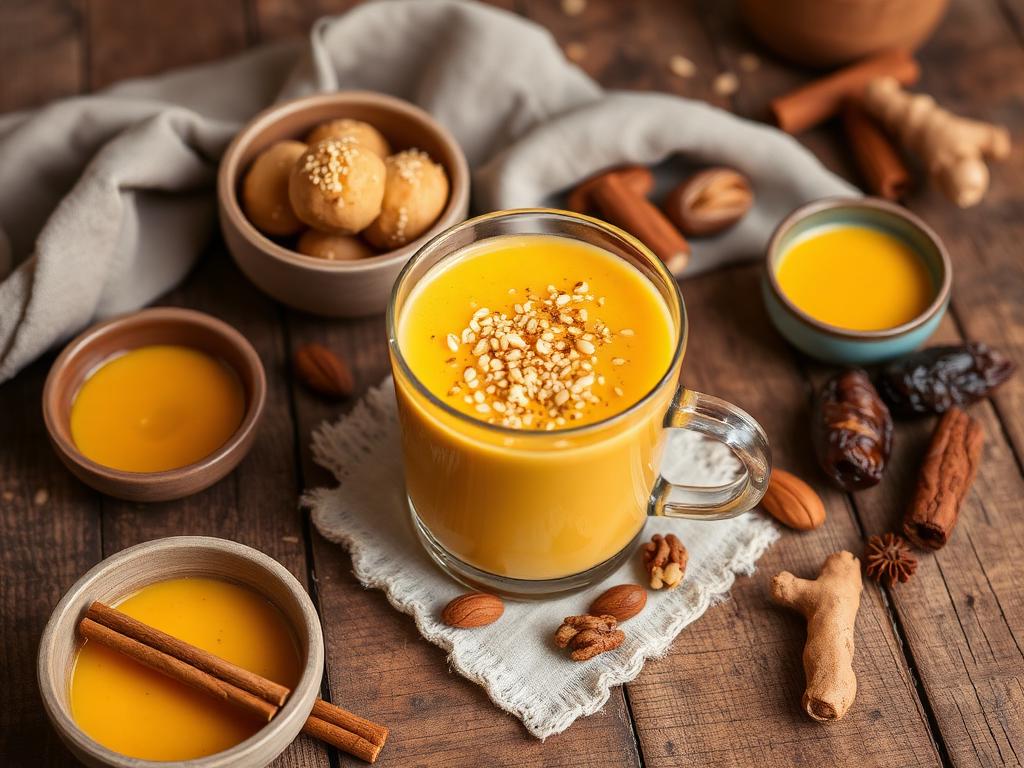
Hemanta: Early Winter, Winter Warmers and the Ghee Month
Why the richest, ghee-heaviest stretch of the food calendar falls in early winter — and how households paced it.
Continue exploring
Related on The Wisdom Jar
Ingredient
Turmeric
A warm, golden rhizome treasured for centuries as a kitchen healer for inflammation, immunity, and skin glow.
Read moreIngredient
Neem
A bitter, deeply purifying leaf used in skin care, oral hygiene, and topical remedies.
Read moreRemedy
Neem & Honey Face Pack for Blemish-Prone Skin
A weekly clarifying mask for oily, breakout-prone skin.
Read moreDaily Wellness
Spring Reset Rituals
Light food, bitter greens, more movement — clear winter's heaviness.
Read moreRemedy
Golden Milk for Winter Immunity
A warm, soothing nightly drink of turmeric, milk, and pepper to support immunity and rest.
Read moreDaily Wellness
Summer Cooling Practices
Fennel water, rose, coconut, sheetali breath — pitta-pacifying daily care.
Read more