Seasonal Customs
Grishma: Summer and the Household Art of Cooling
Matka water, buttermilk at noon, khus screens and smaller meals — how homes handled real heat before refrigeration.
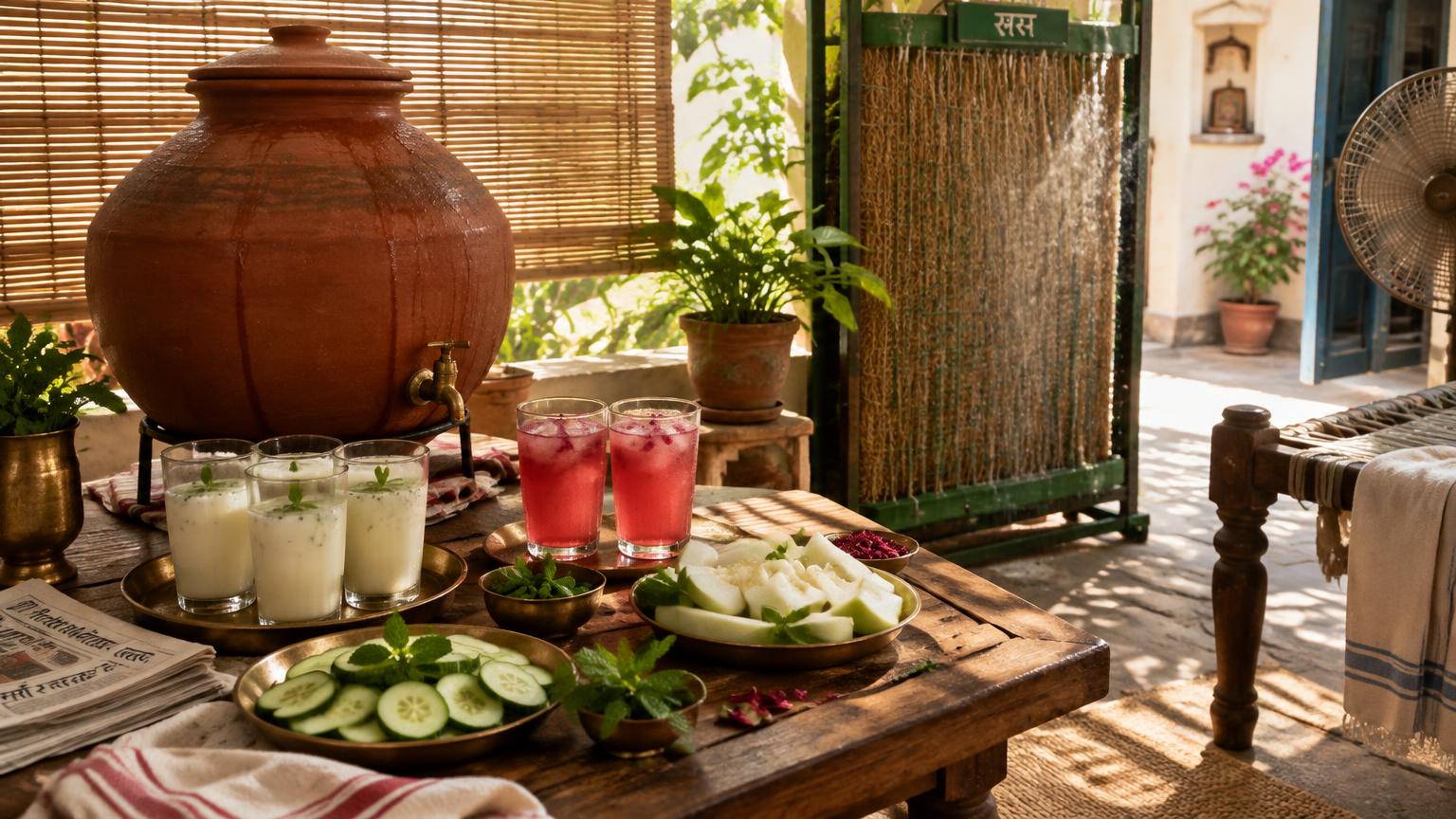
Grishma, roughly mid-April to mid-June, is the hottest of the six ritus. Classical seasonal writing describes it as the period when the sun draws strength and moisture out of the body, and when appetite and stamina naturally drop. The traditional expectation is not to push through the heat but to do less.
The kitchen turns sweet, cooling, liquid and light. Buttermilk with roasted cumin, sattu, bel and aam panna, tender coconut, ash gourd, cucumber, melons, rice and moong become the summer staples across regions. Sour, heavily salted, deep-fried and very pungent food is eased off, and heavy meals move away from the middle of the day.
The cooling technology was domestic rather than mechanical: water stored in an earthen matka, khus or bamboo chik screens dampened at the window, floors washed at midday, cotton and light colours, an afternoon rest indoors, and cooking finished before the day peaked. Summer is also the one ritu in which classical writing permits a short daytime rest, on the reasoning that the season depletes rather than accumulates.
Seasonal storage belongs here too. The first real heat is when mango slices, chillies, papad and vadi go up on terraces to dry, and when the year's pickles are set in the sun — a habit that is both food preservation and a marker of the calendar.
The transition matters in both directions. Cooling is eased in as spring ends, and eased off again as the first rains arrive, because the monsoon reverses the logic almost immediately.
A plain modern note: heat illness is real and fast. Confusion, fainting, a very high temperature, no sweating or no urine output need emergency medical care, not a cooling drink. Households with elderly people, small children or outdoor work should treat heat as a medical risk, not only a culinary season.
More from Seasonal Customs
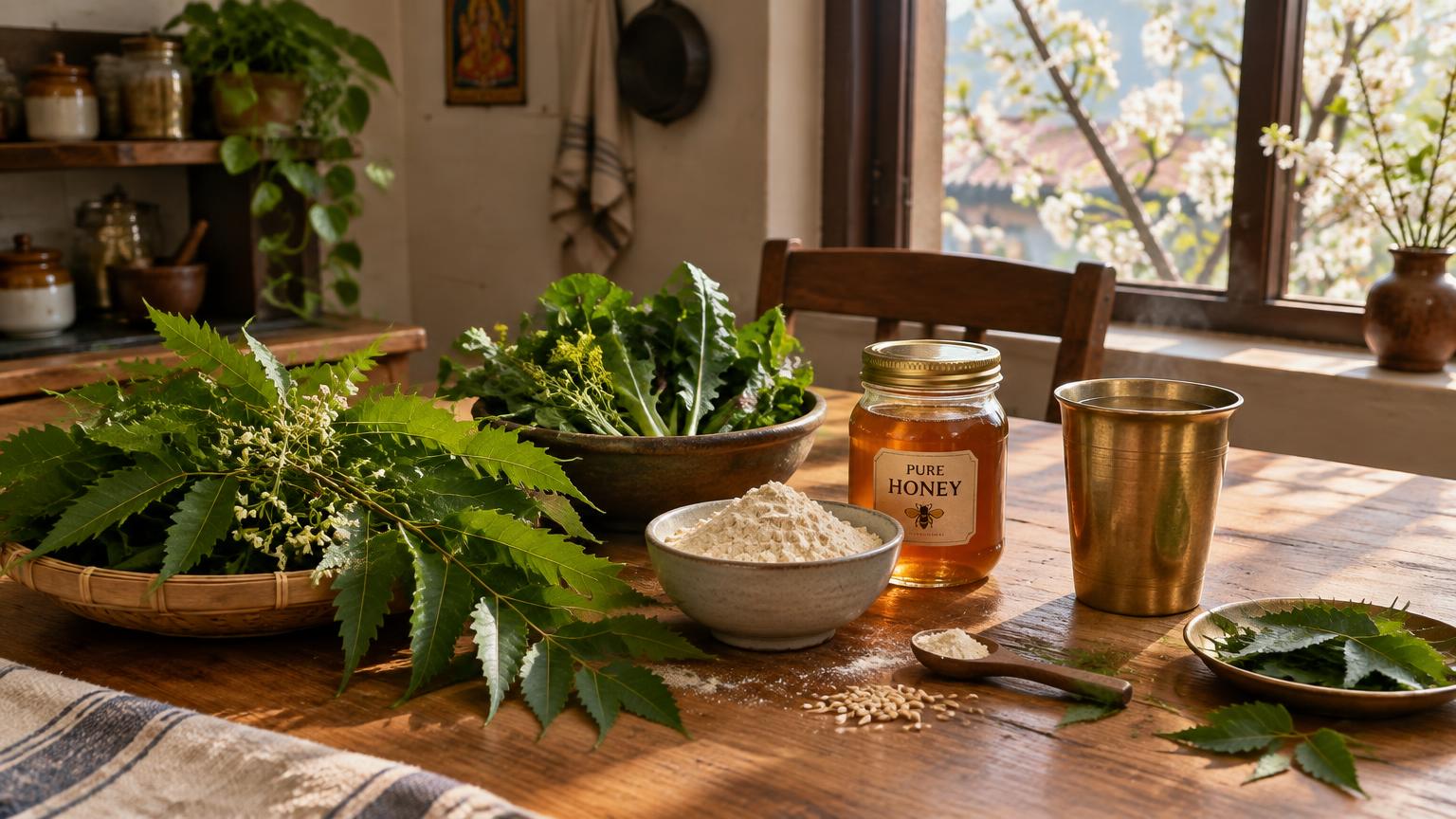
Vasanta: Spring and the Season of Lightening
Why Indian households turn bitter, light and active as winter thaws — the first of the six classical ritus.
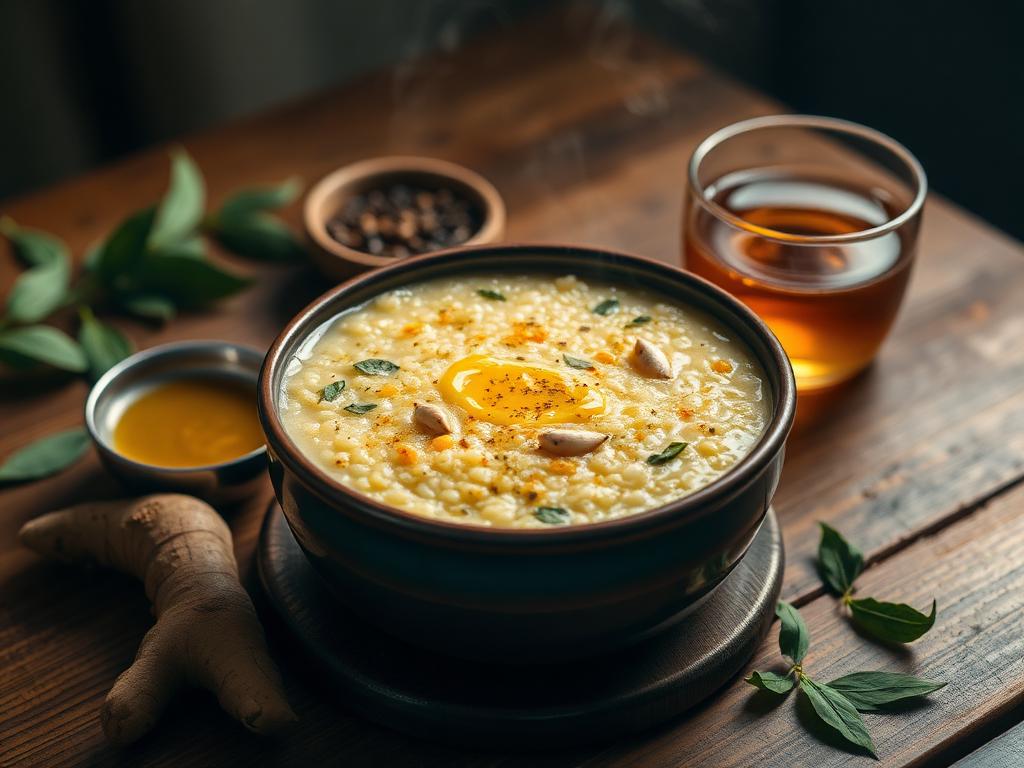
Varsha: Monsoon Care — Eat Light, Sip Warm, Move Gently
How traditional households shift cooking and routine when the rains arrive — damp air, slow digestion, quieter appetite.
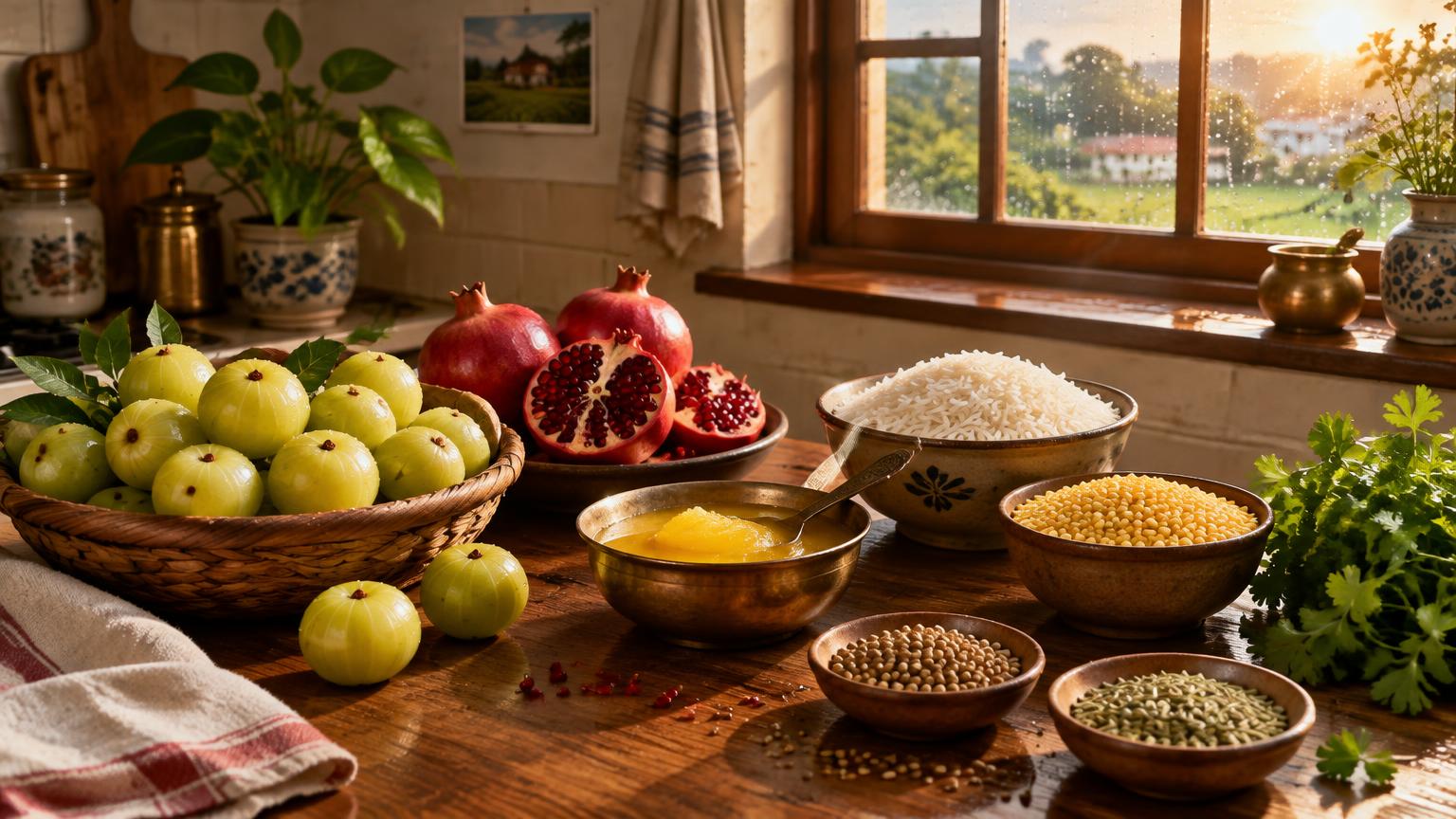
Sharad: The Post-Monsoon Season of Cooling Down
Clear skies, returning appetite and a household turn toward amla, ghee and gentler food — the most overlooked ritu.
Hemanta: Early Winter, Winter Warmers and the Ghee Month
Why the richest, ghee-heaviest stretch of the food calendar falls in early winter — and how households paced it.
Continue exploring
Related on The Wisdom Jar
Ingredient
Mint
Cooling aromatic herb that soothes stomach and freshens breath.
Read moreIngredient
Cucumber
Watery cooling vegetable for hydration and skin.
Read moreRemedy
Rose & Cucumber Cooling Splash
A summer face-and-body splash to calm heat-stressed skin.
Read moreDaily Wellness
Summer Cooling Practices
Fennel water, rose, coconut, sheetali breath — pitta-pacifying daily care.
Read moreDaily Wellness
Monsoon Immunity Care
Warming kadhas, ginger tea, ghee — protect the gut during the rains.
Read moreWellness Topic
Seasonal Allergies
Sneezing, itchy eyes, runny nose at certain times.
Read more