Seasonal Customs
Hemanta: Early Winter, Winter Warmers and the Ghee Month
Why the richest, ghee-heaviest stretch of the food calendar falls in early winter — and how households paced it.
Hemanta, roughly mid-November to mid-January, is early winter — and in the classical ritu framework it is the strongest season of the year. Cold air, shorter days and settled weather are described as the conditions in which agni, the digestive fire, is at its most capable. This is the reasoning behind the fact that India's richest food calendar falls exactly here.
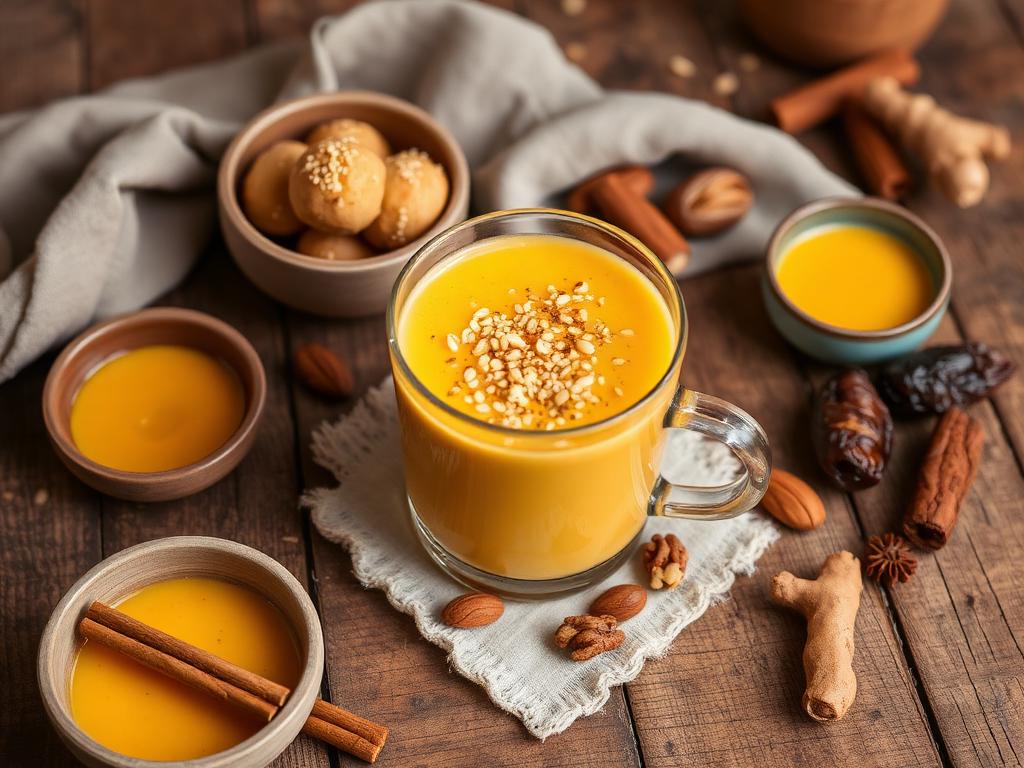
The kitchen becomes dense and warming. Ghee in everything, sesame and jaggery, gond and dry-fruit laddoos, slow-cooked dals, root vegetables, fresh greens, milk preparations, and warming spices such as ginger, black pepper and long pepper. Sweet, sour and salty tastes are given more room than at any other point in the year, and the classical caution runs the other way from summer: under-eating and fasting are treated as poorly suited to this season.
Routine follows suit. Warm sesame oil massage, oil in the hair, warmer bathing water, heavier clothing, more sun exposure in the middle of the day, and — unusually for the classical calendar — more physical activity rather than less, on the reasoning that the season supports the work.
Hemanta shares its guidance closely with Shishira, the late-winter ritu that follows, and the pair are usually read together. The distinction matters mostly at the edges: early winter is stable and nourishing, late winter is drier and harsher.
A plain modern note: cold weather is associated with worsening asthma, joint pain and cardiac events, and 'strong digestion' is a description of the season, not a licence. Chest pain, breathlessness, persistent cough or symptoms that worsen in the cold need medical advice rather than another laddoo.
The festival foods of this stretch — Diwali and Sankranti — are covered in Festival Traditions rather than repeated here.
More from Seasonal Customs
Vasanta: Spring and the Season of Lightening
Why Indian households turn bitter, light and active as winter thaws — the first of the six classical ritus.
Grishma: Summer and the Household Art of Cooling
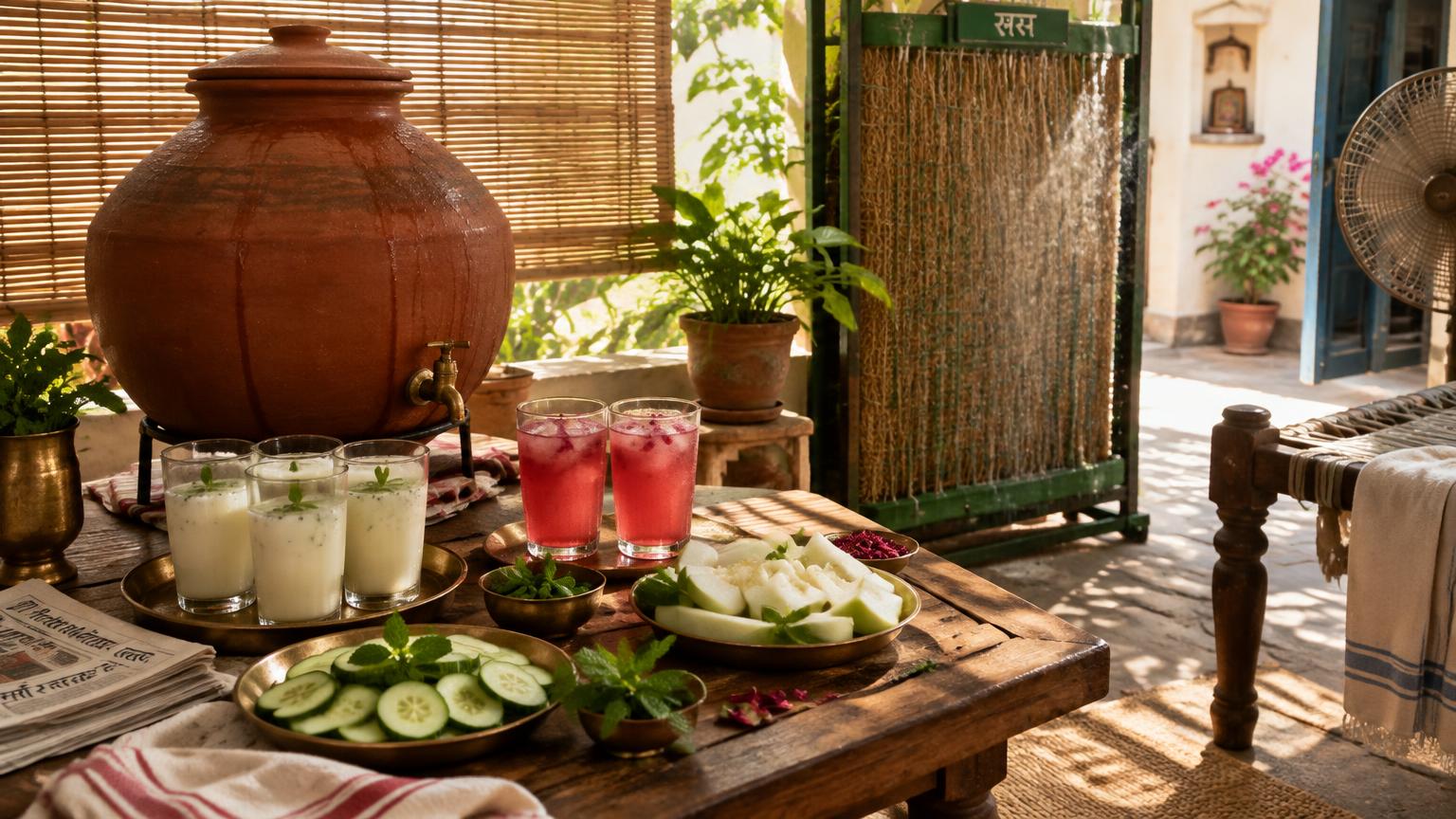
Matka water, buttermilk at noon, khus screens and smaller meals — how homes handled real heat before refrigeration.
Varsha: Monsoon Care — Eat Light, Sip Warm, Move Gently
How traditional households shift cooking and routine when the rains arrive — damp air, slow digestion, quieter appetite.
Sharad: The Post-Monsoon Season of Cooling Down
Clear skies, returning appetite and a household turn toward amla, ghee and gentler food — the most overlooked ritu.
Continue exploring
Related on The Wisdom Jar
Ingredient
Ginger
A pungent, warming root used worldwide for nausea, digestion, and respiratory comfort.
Read moreIngredient
Almonds
Soaked almonds are a classic brain and skin tonic.
Read moreDaily Wellness
Winter Warming Care
Oil massage, ghee, sesame, warming spices — feed the inner fire.
Read moreRemedy
Golden Milk for Winter Immunity
A warm, soothing nightly drink of turmeric, milk, and pepper to support immunity and rest.
Read moreRemedy
Ginger-Tulsi Decoction for Cough & Cold
A simple kitchen kadha that soothes scratchy throats and clears mild congestion.
Read moreDaily Wellness
Summer Cooling Practices
Fennel water, rose, coconut, sheetali breath — pitta-pacifying daily care.
Read more