Seasonal Customs
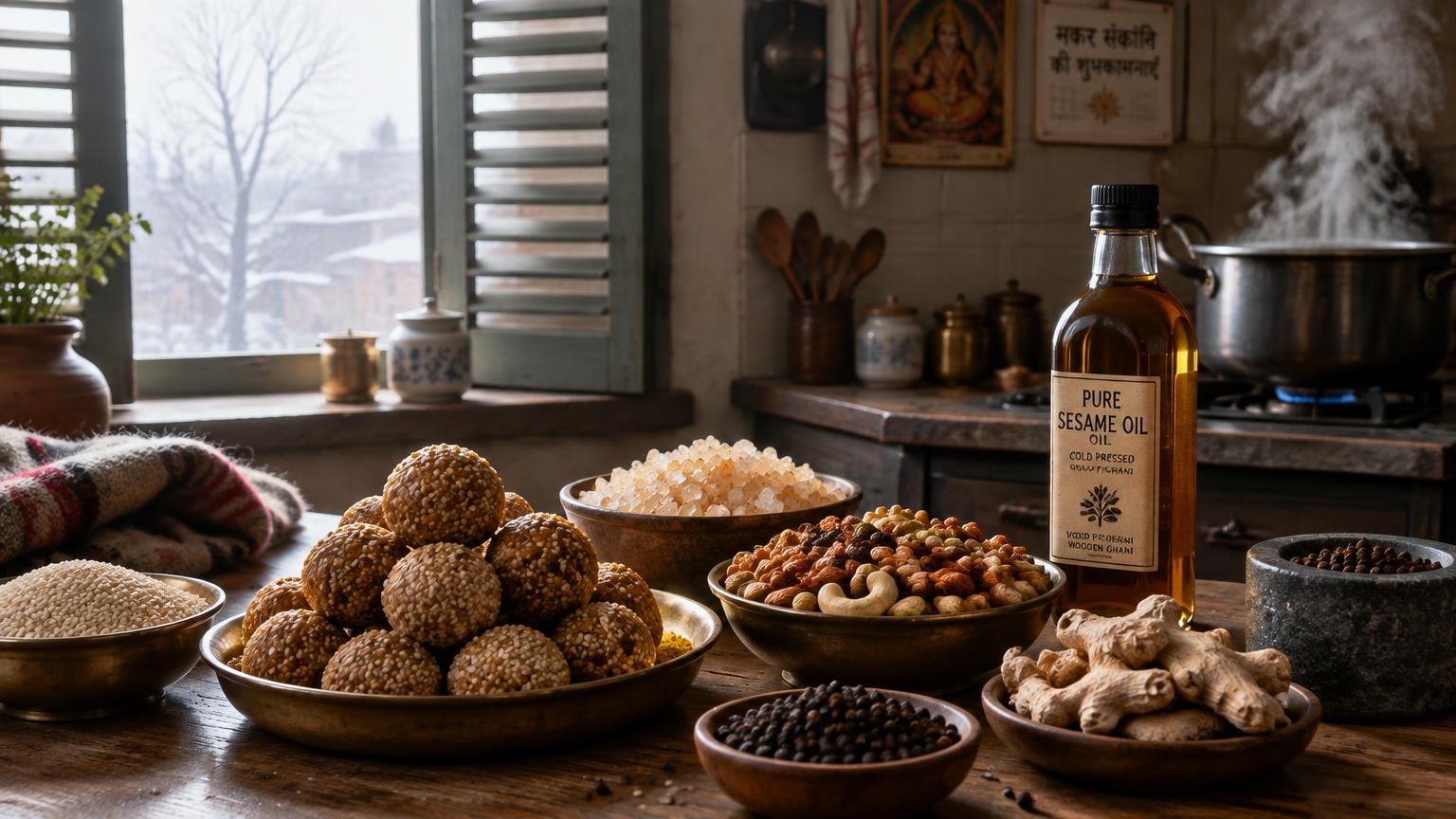
Shishira: Late Winter, Dryness and the Coldest Weeks
The harshest ritu — why late-winter households leaned on oil, sesame, warmth and moisture before spring arrived.
Shishira, roughly mid-January to mid-March, is the last of the six ritus and the coldest. Classical writing separates it from early winter for a specific reason: this stretch is cold and dry, with cutting winds and low humidity, and it is described as depleting where Hemanta was nourishing.
The kitchen keeps winter's warmth but adds moisture. Sesame oil and ghee, warm milk preparations, soups and slow-cooked dals, jaggery, dates, gond, urad, root vegetables and cooked greens stay on the table, while cold food, dry food, raw salads and light bitter eating are traditionally kept small. Warm drinks run through the day rather than appearing at meals only.
Outside the kitchen, late winter is about protection: oil on the skin before bathing, oiled hair, covered heads and ears in wind, warmer bathing water, and continued midday sun. Dry skin, cracked heels, chapped lips, stiff mornings and dull hair are treated as the expected signature of this ritu rather than as separate complaints.
The transition out of Shishira is the year's most important one. Spring follows immediately, and the traditional caution is to begin lightening — less oil, less density, the first bitter greens — before the weather itself turns, rather than carrying deep-winter eating into a warming March.
A plain modern note: the coldest weeks carry real risk for older people, for anyone with asthma or heart disease, and in poorly heated homes. Breathlessness, chest pain, a cough that will not settle, or skin that is cracked and infected rather than simply dry needs medical care, not a seasonal food adjustment.
Regional late-winter kitchens — Punjab's saag and gur, Kashmir's kahwa, the Himalayan belt's stored food — are covered in Regional Wisdom.
More from Seasonal Customs
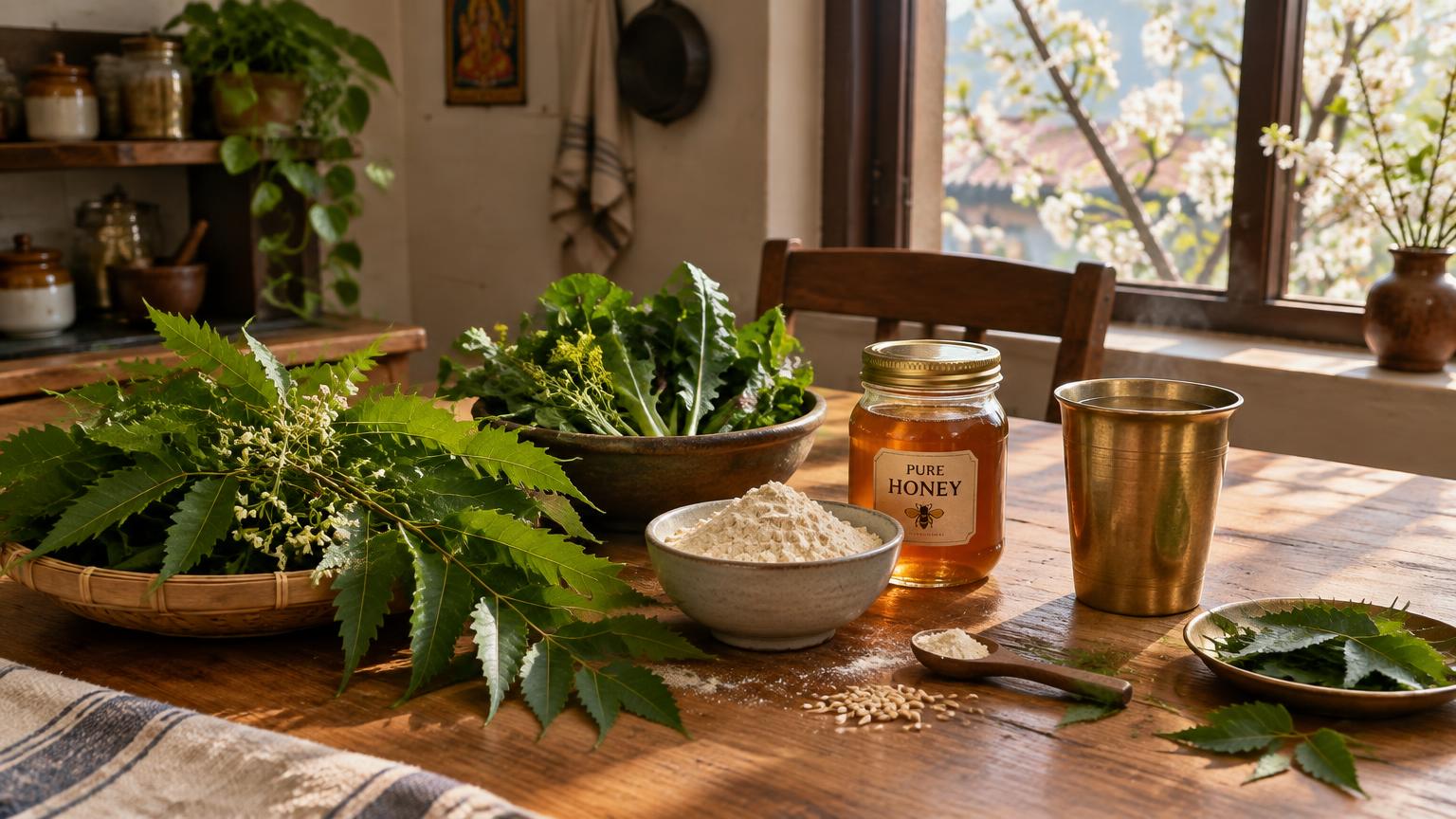
Vasanta: Spring and the Season of Lightening
Why Indian households turn bitter, light and active as winter thaws — the first of the six classical ritus.
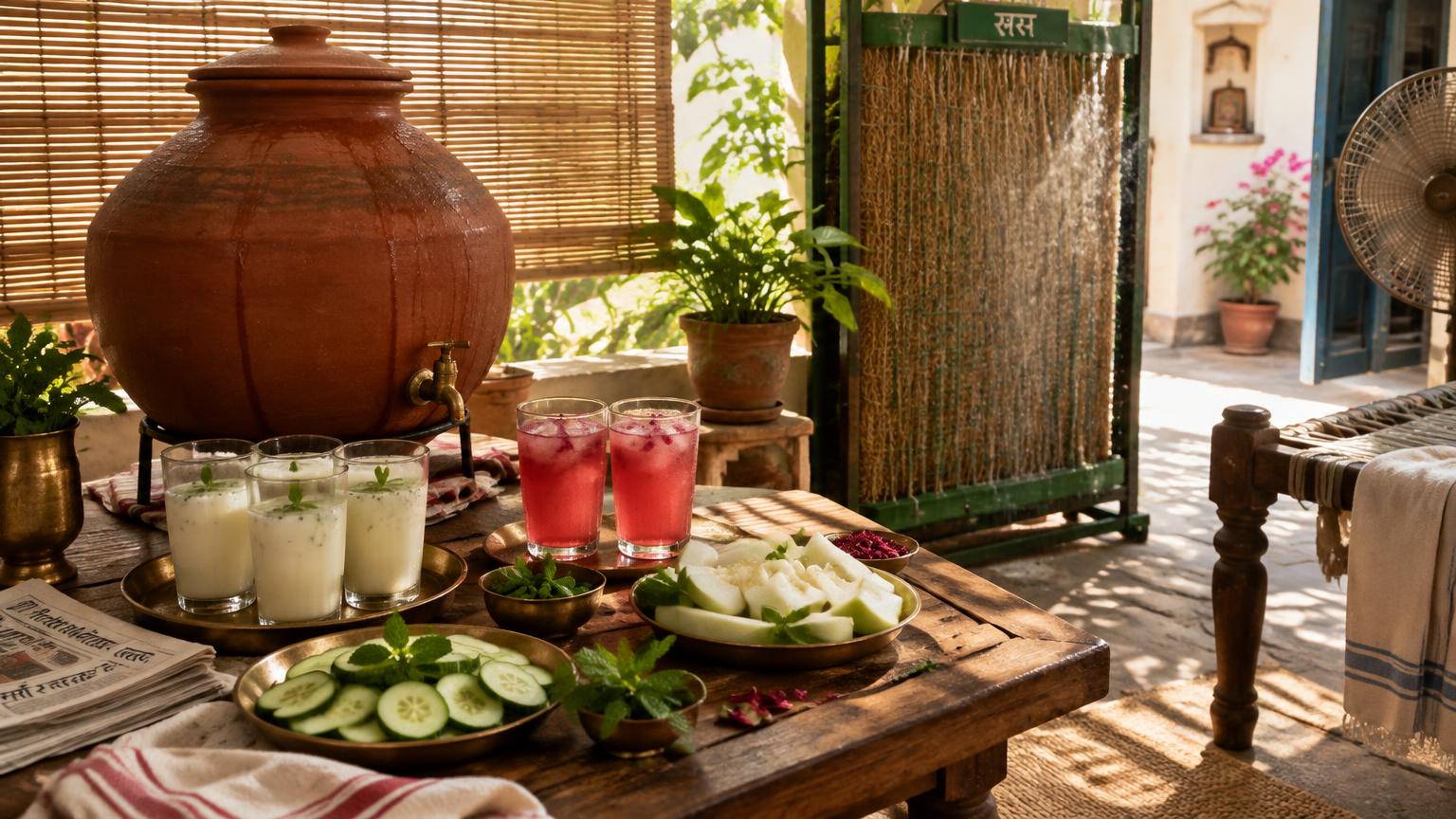
Grishma: Summer and the Household Art of Cooling
Matka water, buttermilk at noon, khus screens and smaller meals — how homes handled real heat before refrigeration.
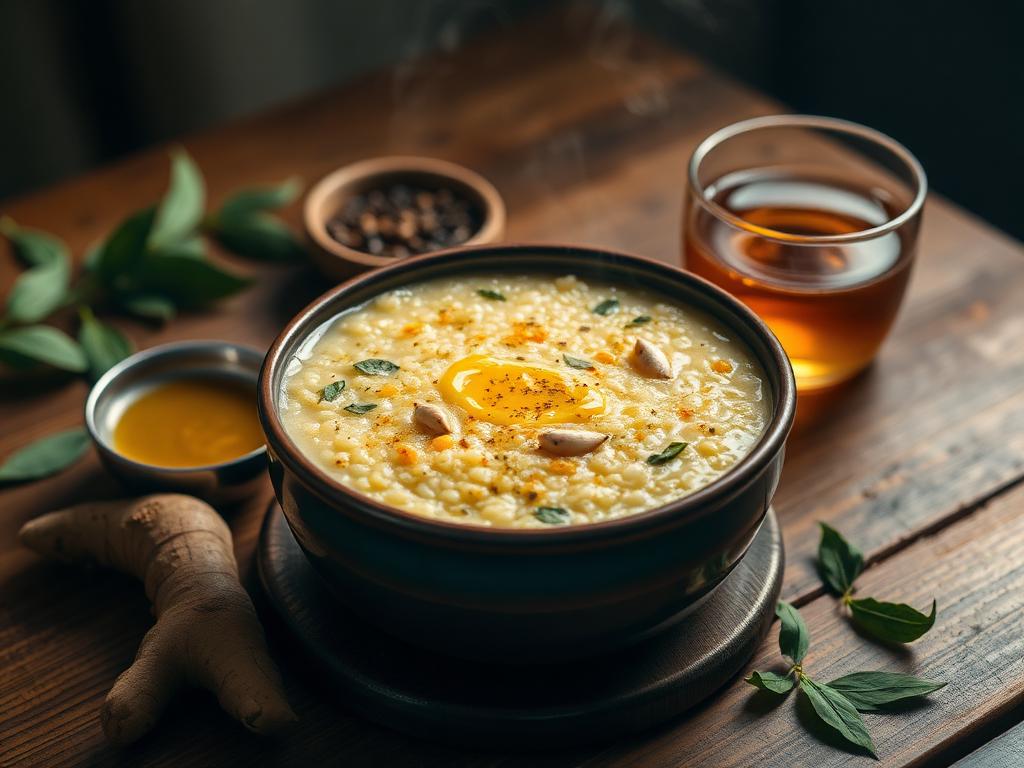
Varsha: Monsoon Care — Eat Light, Sip Warm, Move Gently
How traditional households shift cooking and routine when the rains arrive — damp air, slow digestion, quieter appetite.
Sharad: The Post-Monsoon Season of Cooling Down
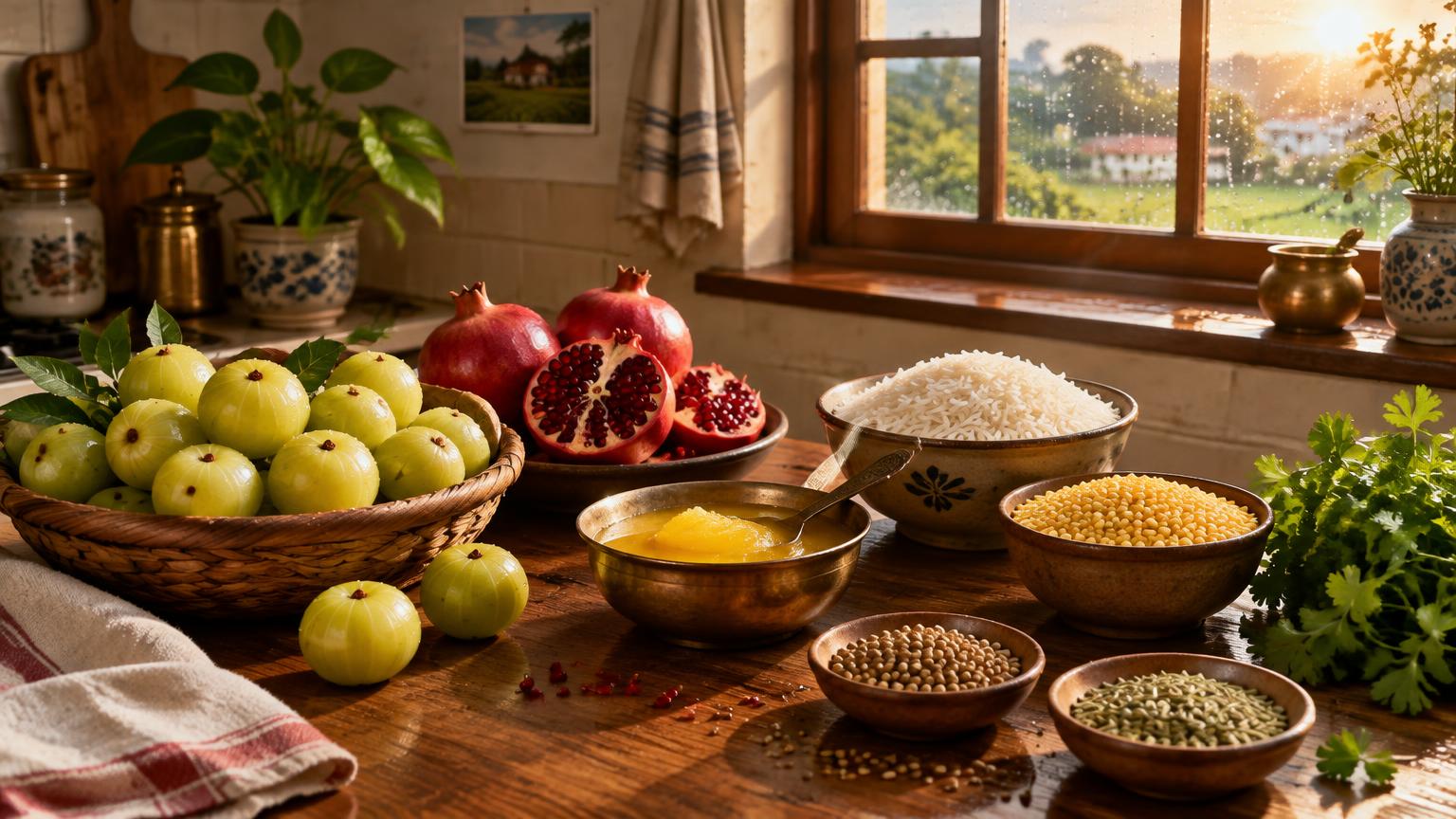
Clear skies, returning appetite and a household turn toward amla, ghee and gentler food — the most overlooked ritu.
Continue exploring
Related on The Wisdom Jar
Ingredient
Milk
Nourishing whole food — best taken warm with spices, never with salty foods.
Read moreIngredient
Dates
Energy-dense fruit that strengthens bones and builds blood.
Read moreRemedy
Rose & Cucumber Cooling Splash
A summer face-and-body splash to calm heat-stressed skin.
Read moreDaily Wellness
Summer Cooling Practices
Fennel water, rose, coconut, sheetali breath — pitta-pacifying daily care.
Read moreDaily Wellness
Monsoon Immunity Care
Warming kadhas, ginger tea, ghee — protect the gut during the rains.
Read moreWellness Topic
Seasonal Allergies
Sneezing, itchy eyes, runny nose at certain times.
Read more