
Ancient Roots
Unani: Greco-Arabic Knowledge in India
How Greek ideas were developed in Arabic and Persian scholarship, then took root in South Asian courts, cities and colleges.
Unani medicine traces an intellectual route through Greek medicine, especially Hippocratic and Galenic traditions, and the large body of scholarship developed in Arabic and Persian. The word yunani means Greek, but the system that reached South Asia had already been translated, debated and expanded across many centuries.
Physicians and texts travelled into the subcontinent through Persianate courts, scholarly networks and migration. Unani became established in cities including Delhi, Lucknow and Hyderabad, where hakims taught students, maintained pharmacies and wrote in Persian and later Urdu. It remained distinct from Ayurveda even when practitioners shared plants, markets and patients.
Its historical vocabulary includes mizaj, or temperament, and a framework built around balance, environment and regimen. These concepts belong to Unani's own intellectual history; they should not be relabelled as Ayurvedic doshas or treated as interchangeable modern diagnoses.
Professional Unani practice includes assessment, pharmacology and compound formulations that require qualified training. Rose water, saffron, fennel or mint may also appear in ordinary kitchens, but a familiar ingredient does not make a formal preparation suitable for self-treatment.
More from Ancient Roots
The Five-Thousand-Year Lineage
From the Atharva Veda to the Charaka Samhita — how India's healing knowledge was compiled, taught and carried for five millennia.
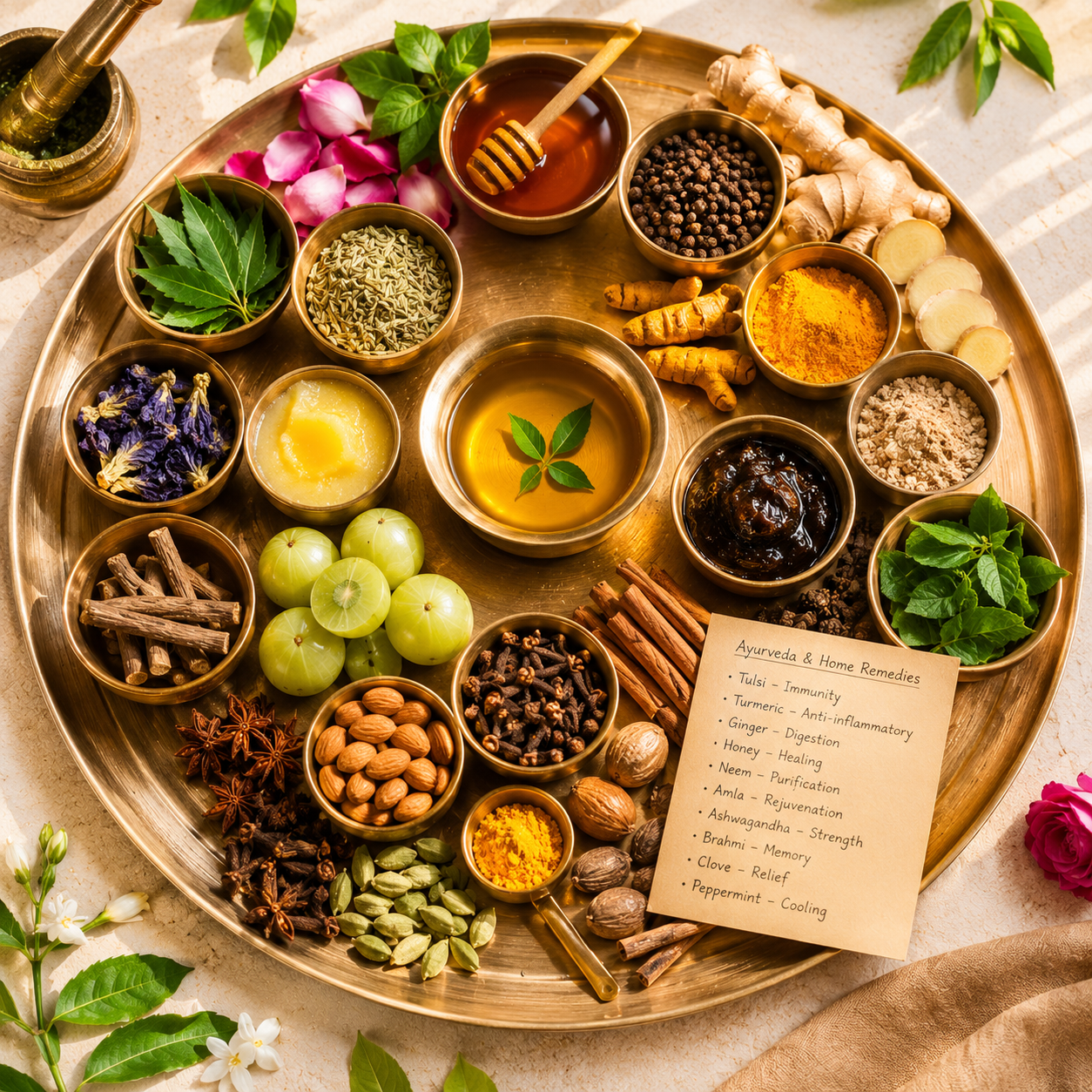
Why the Classics Still Read Modern
Curcumin, fenugreek, the microbiome — why centuries of patient observation still read like a method rather than a relic.
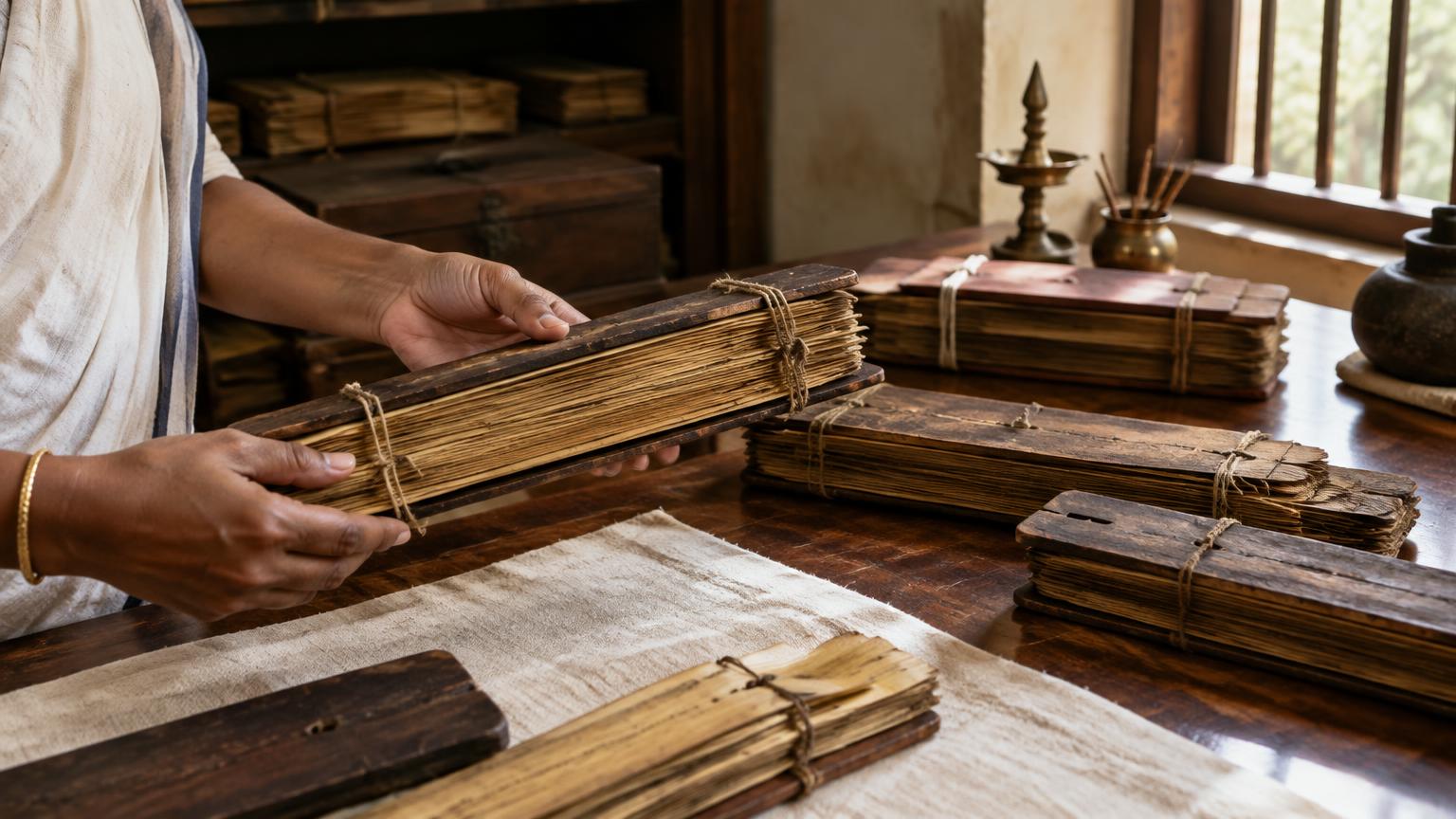
How Ancient Manuscripts Survived
Palm leaf, birch bark, paper and patient recopying — the material work that carried medical texts across centuries.

Siddha: Tamil Textual Roots
A distinct Tamil medical and philosophical tradition carried through palm-leaf texts, verse, commentary and practitioner lineages.
Continue exploring
Related on The Wisdom Jar
Ingredient
Turmeric
A warm, golden rhizome treasured for centuries as a kitchen healer for inflammation, immunity, and skin glow.
Read moreIngredient
Ginger
A pungent, warming root used worldwide for nausea, digestion, and respiratory comfort.
Read moreRemedy
Golden Milk for Winter Immunity
A warm, soothing nightly drink of turmeric, milk, and pepper to support immunity and rest.
Read moreRemedy
Ginger-Tulsi Decoction for Cough & Cold
A simple kitchen kadha that soothes scratchy throats and clears mild congestion.
Read moreDaily Wellness
Warm Water on Waking (Ushapan)
A simple, ancient cue that wakes digestion and gently flushes the system.
Read moreDaily Wellness
Tongue Scraping
Remove the overnight coating in 30 seconds — taste, breath and digestion improve.
Read more