Editorial Stories
From Market Stall to Labelled Jar
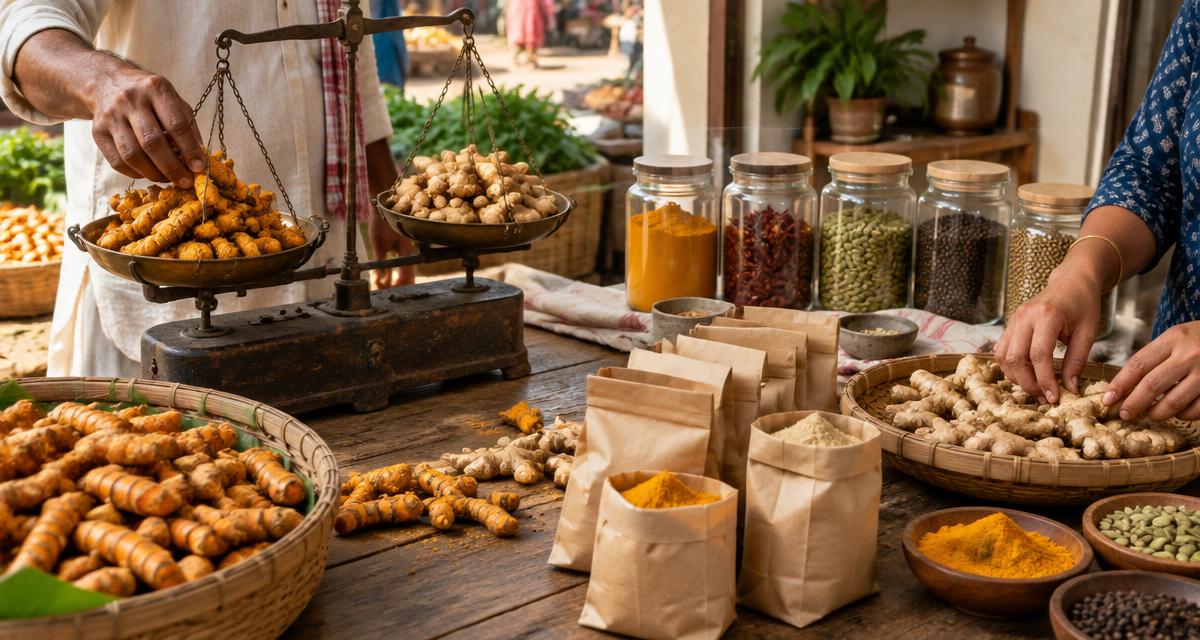
Before an ingredient becomes a familiar household staple, people make quiet decisions about identity, quality, storage, cost and trust.
What happens between a market heap and the jar on a kitchen shelf? The journey looks ordinary, yet each step carries judgment. A buyer recognises an ingredient by name, appearance, aroma and seller; chooses whole or ground; balances price against freshness; and decides how much the household can use before it deteriorates.
Trust was often relational. A known grocer or market seller understood local names and seasonal quality. Branded packets changed that relationship by adding standard labels, dates and sealed packaging, while also moving identification away from a conversation and onto printed information.
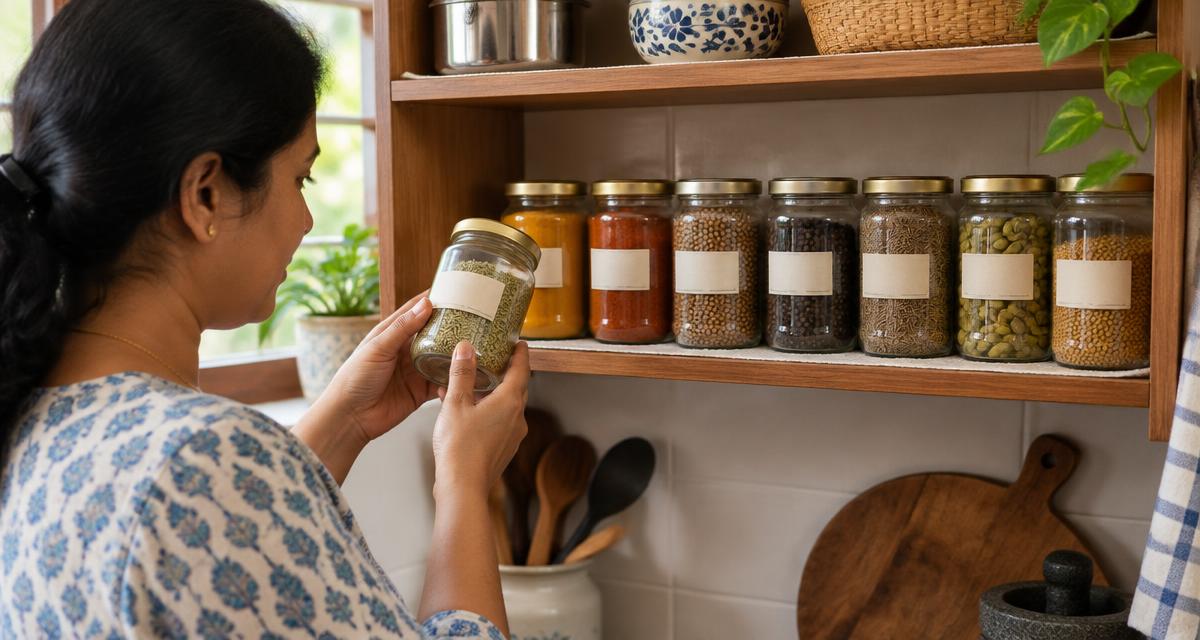
At home, decanting creates a second information problem. A beautiful unlabelled row of powders can hide purchase dates, allergens, confusion between similar-looking ingredients and moisture damage. Clear names, dates and dry storage are practical safeguards, not a loss of tradition.
Economics matters too. A working shelf is shaped by region, cooking habits, storage space and budget—not by an idealised list of exotic ingredients. The most meaningful jar is usually the one that belongs in ordinary food and can be replaced locally.
The modern lesson is to value traceability over abundance: know what the ingredient is, where it came from, how old it is and whether it still belongs in the kitchen. Ingredient profiles can supply context; they should not turn a pantry into a substitute pharmacy.
More from Editorial Stories
What Belongs on a Working Kitchen Shelf?
A useful household shelf is not a universal remedy list. It reflects ordinary cooking, local access, careful storage and clear limits.
How We Evaluate a Traditional Claim
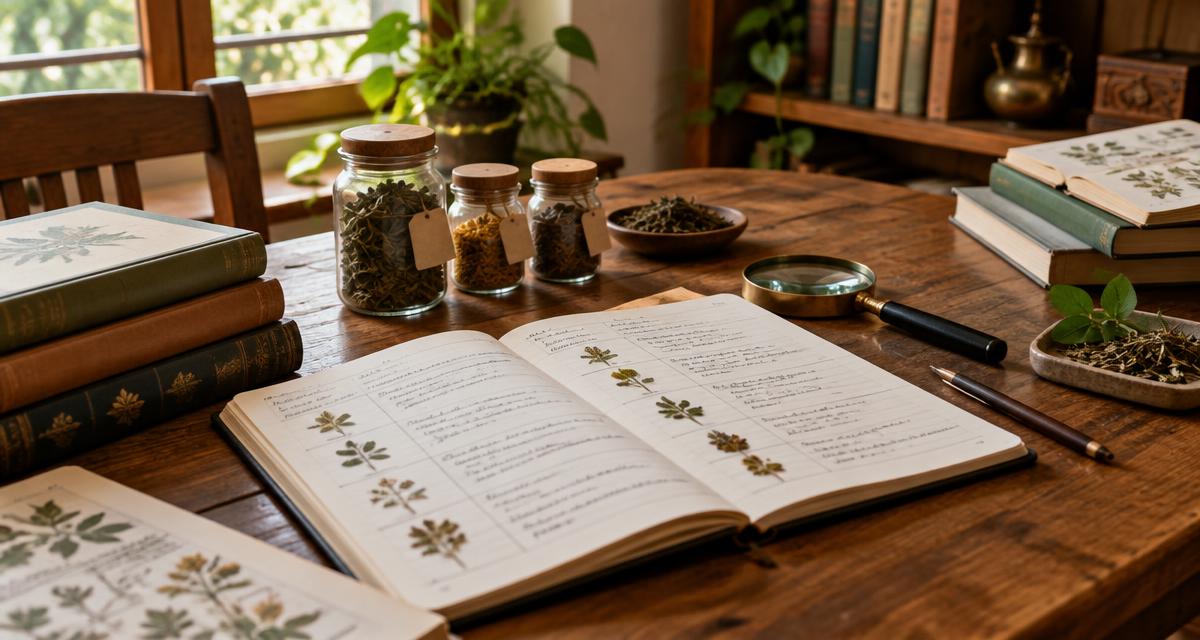
A household practice can be culturally meaningful without being medically proven. Here is the editorial test we use before presenting either kind of claim.

Where Household Care Ends
The most responsible household tradition includes a boundary: knowing when comfort and observation must give way to professional care.
What Gets Lost in Translation
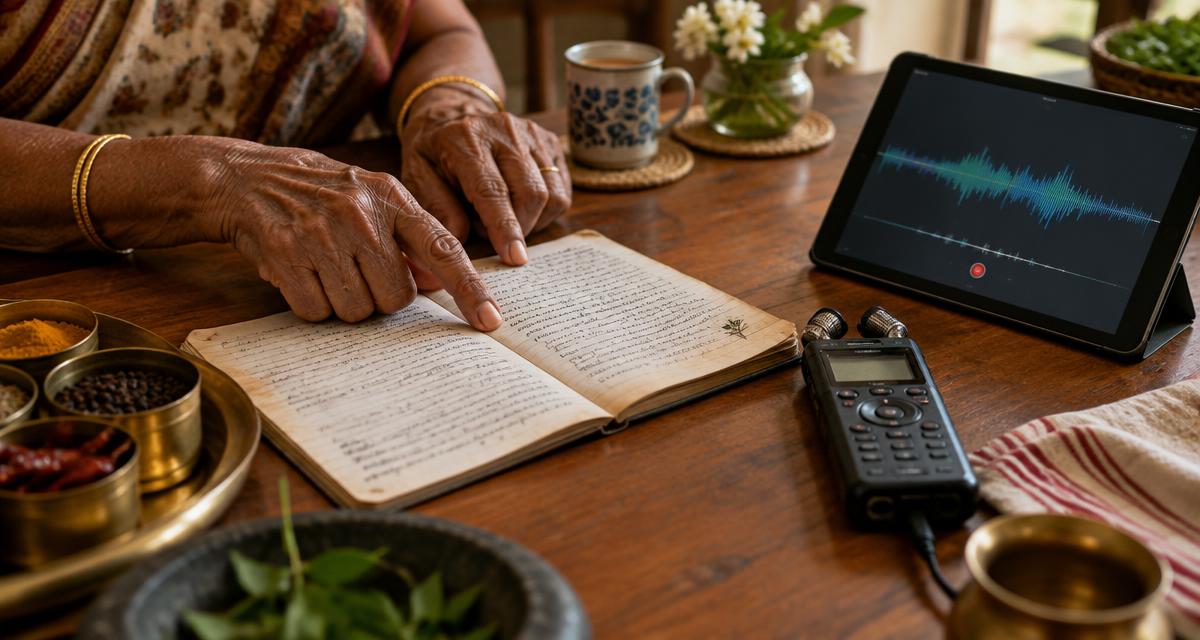
When spoken household knowledge becomes a transcript, database or search result, clarity grows—but tone, variation and practical judgment can disappear.
Continue exploring
Related on The Wisdom Jar
Ingredient
Turmeric
A warm, golden rhizome treasured for centuries as a kitchen healer for inflammation, immunity, and skin glow.
Read moreIngredient
Ginger
A pungent, warming root used worldwide for nausea, digestion, and respiratory comfort.
Read moreRemedy
Golden Milk for Winter Immunity
A warm, soothing nightly drink of turmeric, milk, and pepper to support immunity and rest.
Read moreRemedy
Ginger-Tulsi Decoction for Cough & Cold
A simple kitchen kadha that soothes scratchy throats and clears mild congestion.
Read moreDaily Wellness
Warm Water on Waking (Ushapan)
A simple, ancient cue that wakes digestion and gently flushes the system.
Read moreDaily Wellness
Tongue Scraping
Remove the overnight coating in 30 seconds — taste, breath and digestion improve.
Read more