Editorial Stories
What Gets Lost in Translation
When spoken household knowledge becomes a transcript, database or search result, clarity grows—but tone, variation and practical judgment can disappear.
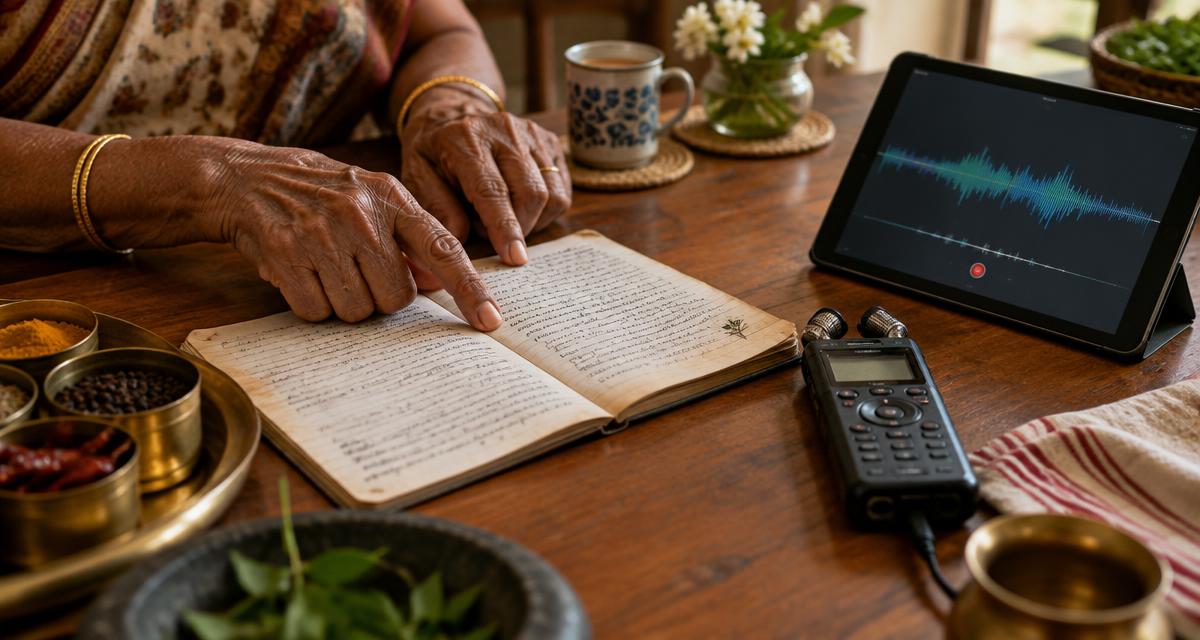
What changes when a spoken instruction becomes a line of searchable text? Oral knowledge carries more than words. It carries gesture, timing, the look of an ingredient, the person being addressed and the speaker's judgment about when not to proceed. A transcript can preserve a sentence while losing its conditions.
Translation adds another layer. A local ingredient may have several names; one familiar word may refer to different plants across regions. Terms such as garam, thanda, bhaari and halka organise experience inside household and medical vocabularies, but one-word English equivalents can make them sound more literal and universal than they are.
Writing creates useful stability. It makes comparison, correction and access possible. Digitisation adds discovery and preserves fragile recordings or notebooks. Yet databases prefer one name, one category and one clean version, while lived traditions often contain several legitimate versions.
Editorial care means retaining provenance: who used the term, in which language or region, in what household setting, and whether the meaning is disputed. It also means distinguishing a remembered practice from a tested health effect.
The aim is not to freeze oral knowledge into a definitive record. It is to make a careful, traceable account that leaves room for variation and invites correction rather than erasing the original voice.
More from Editorial Stories
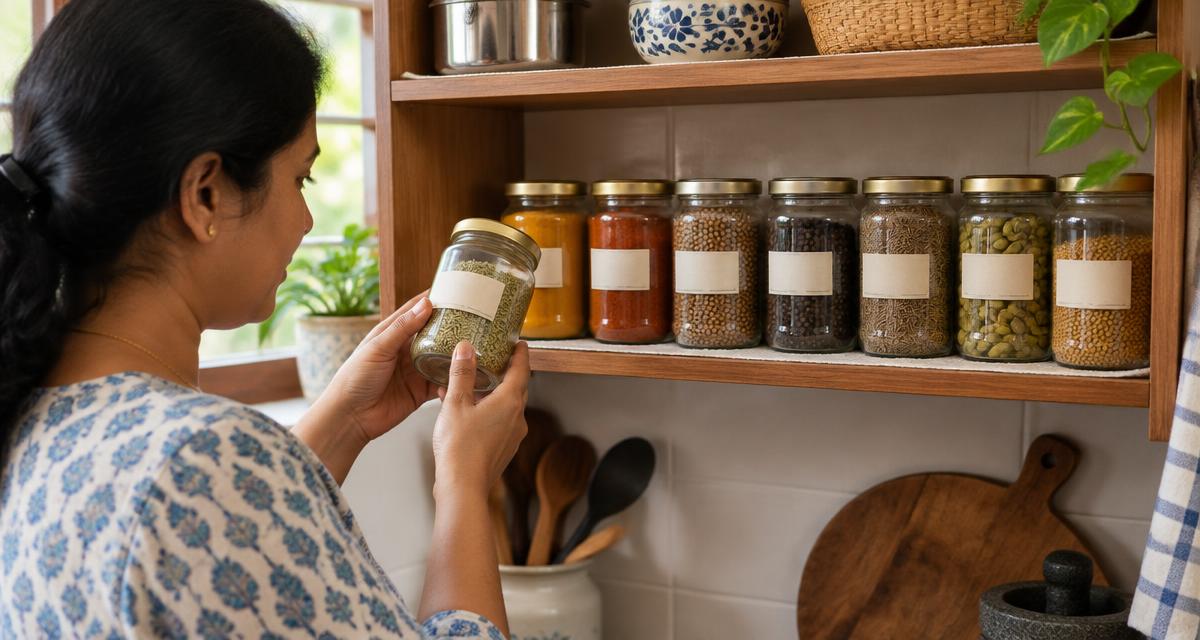
What Belongs on a Working Kitchen Shelf?
A useful household shelf is not a universal remedy list. It reflects ordinary cooking, local access, careful storage and clear limits.
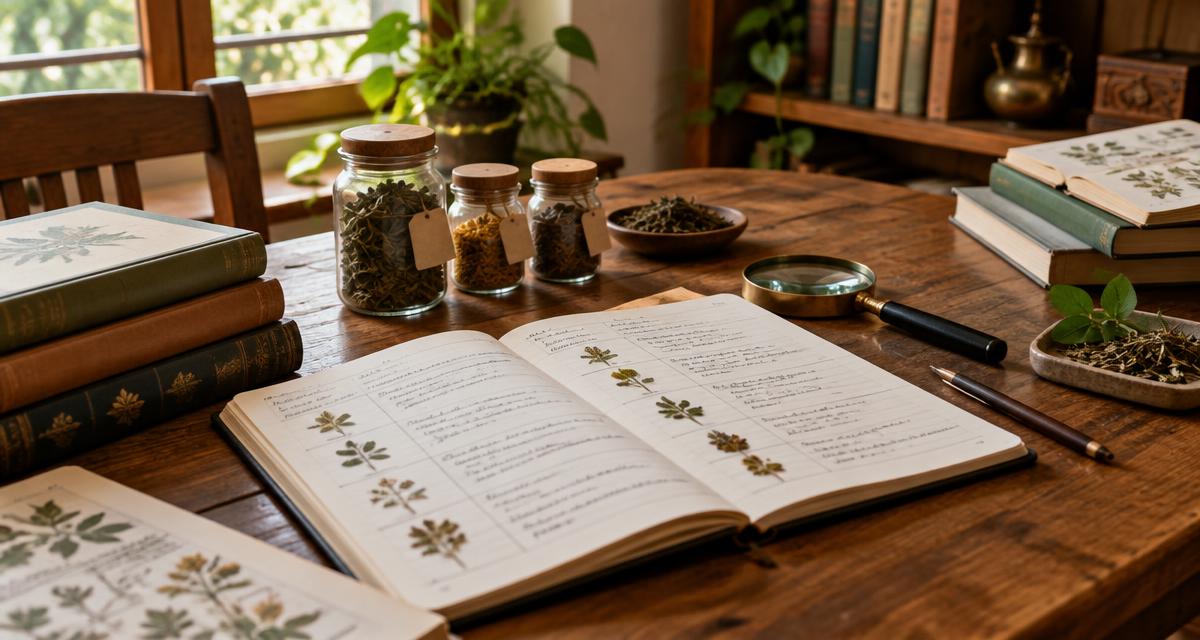
How We Evaluate a Traditional Claim
A household practice can be culturally meaningful without being medically proven. Here is the editorial test we use before presenting either kind of claim.
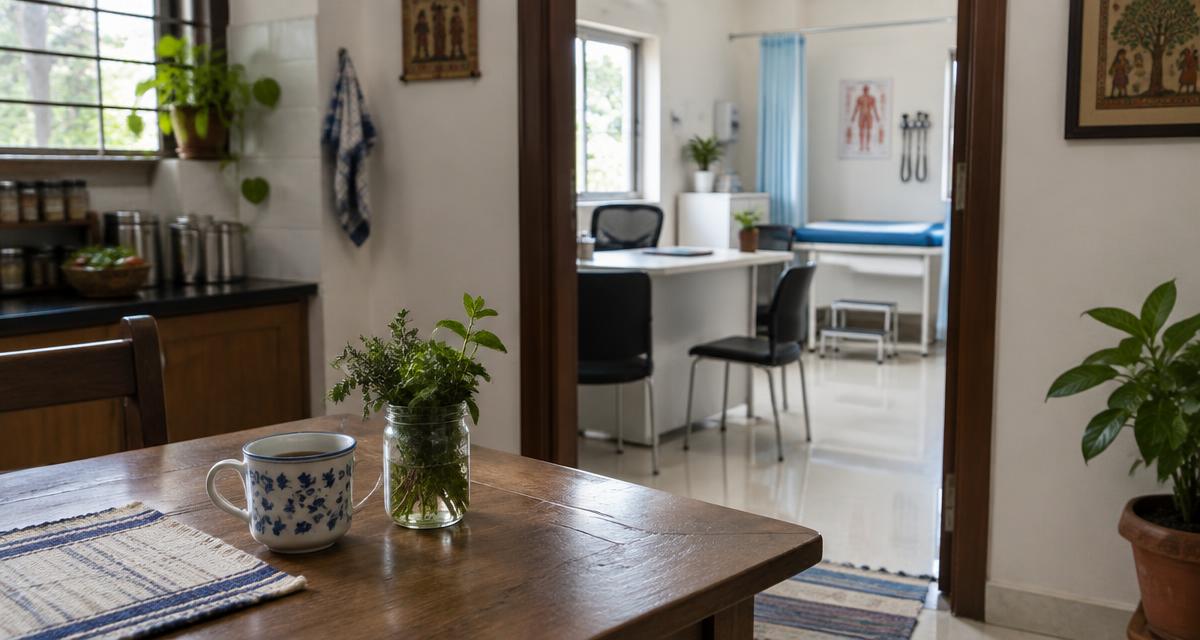
Where Household Care Ends
The most responsible household tradition includes a boundary: knowing when comfort and observation must give way to professional care.
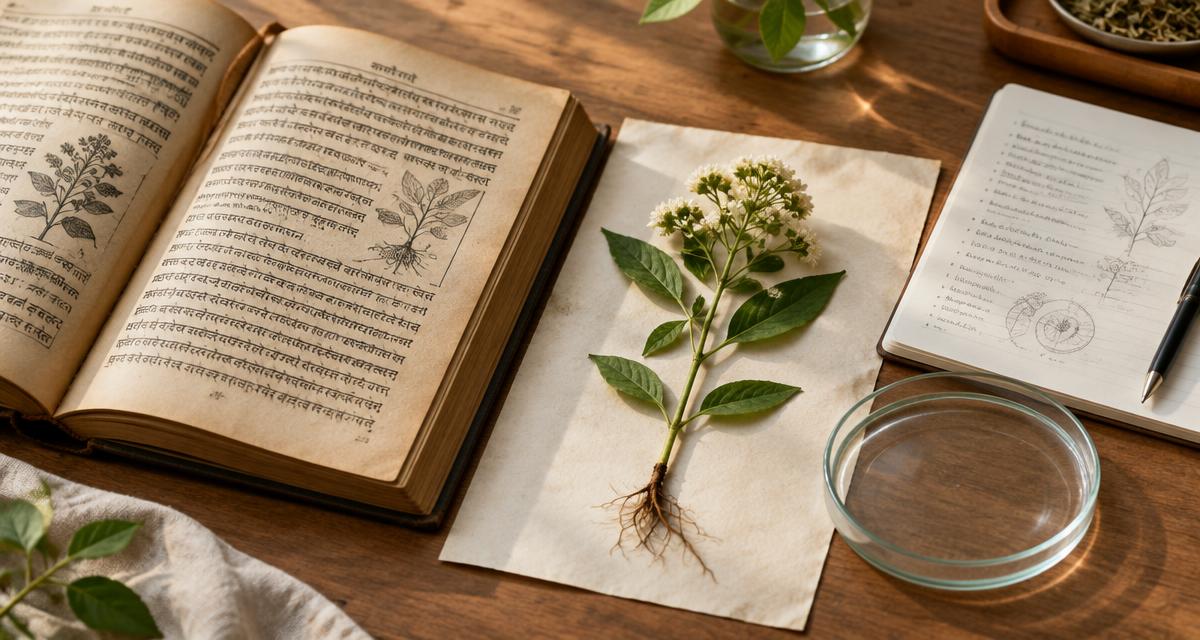
Reading Traditional Terms Alongside Modern Evidence
Traditional vocabularies and biomedical research may observe the same person through different frameworks. Translation should not pretend they are identical.
Continue exploring
Related on The Wisdom Jar
Ingredient
Turmeric
A warm, golden rhizome treasured for centuries as a kitchen healer for inflammation, immunity, and skin glow.
Read moreIngredient
Ginger
A pungent, warming root used worldwide for nausea, digestion, and respiratory comfort.
Read moreRemedy
Golden Milk for Winter Immunity
A warm, soothing nightly drink of turmeric, milk, and pepper to support immunity and rest.
Read moreRemedy
Ginger-Tulsi Decoction for Cough & Cold
A simple kitchen kadha that soothes scratchy throats and clears mild congestion.
Read moreDaily Wellness
Warm Water on Waking (Ushapan)
A simple, ancient cue that wakes digestion and gently flushes the system.
Read moreDaily Wellness
Tongue Scraping
Remove the overnight coating in 30 seconds — taste, breath and digestion improve.
Read more