
Editorial Stories
Where Household Care Ends
The most responsible household tradition includes a boundary: knowing when comfort and observation must give way to professional care.
When does a cup, compress or familiar meal remain ordinary care—and when does it become a dangerous delay? The answer does not depend on how old or beloved the practice is. It depends on the person, the symptom, its severity, its duration and what else is happening.
Household care has a legitimate but narrow role: comfort, hydration, rest, familiar food and observation during minor, short-lived discomfort. Its value may be practical and emotional even when it does not treat an underlying condition. That distinction should be stated, not hidden.
The boundary moves sooner for infants, pregnant or breastfeeding people, frail older adults, people with chronic conditions, and anyone taking medicines that may interact with herbs. A practice that was uneventful for one relative is not automatically safe for another.
Professional care is not a rejection of tradition. Historically, households also escalated beyond themselves—to a local practitioner, midwife, hakim, vaidya or doctor depending on place and period. Romanticising total household self-sufficiency misrepresents that history.
The strongest household wisdom is therefore not a remedy list but a decision habit: offer proportionate comfort, watch carefully, and know when to stop. Household self-care is for minor, short-lived discomforts—not diagnosis or delay. Severe, persistent or worsening symptoms, breathing difficulty, fainting, confusion, significant bleeding, dehydration, pregnancy concerns, or symptoms in an infant need prompt professional advice. Medicines should not be stopped or combined with herbs without a qualified clinician or pharmacist.
More from Editorial Stories
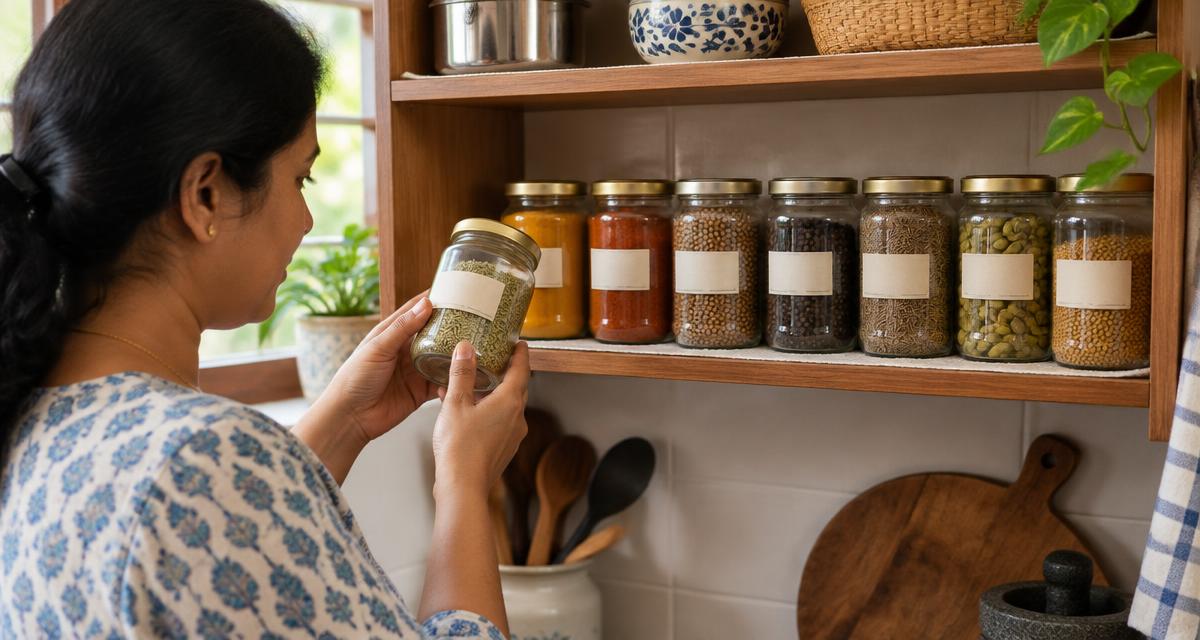
What Belongs on a Working Kitchen Shelf?
A useful household shelf is not a universal remedy list. It reflects ordinary cooking, local access, careful storage and clear limits.
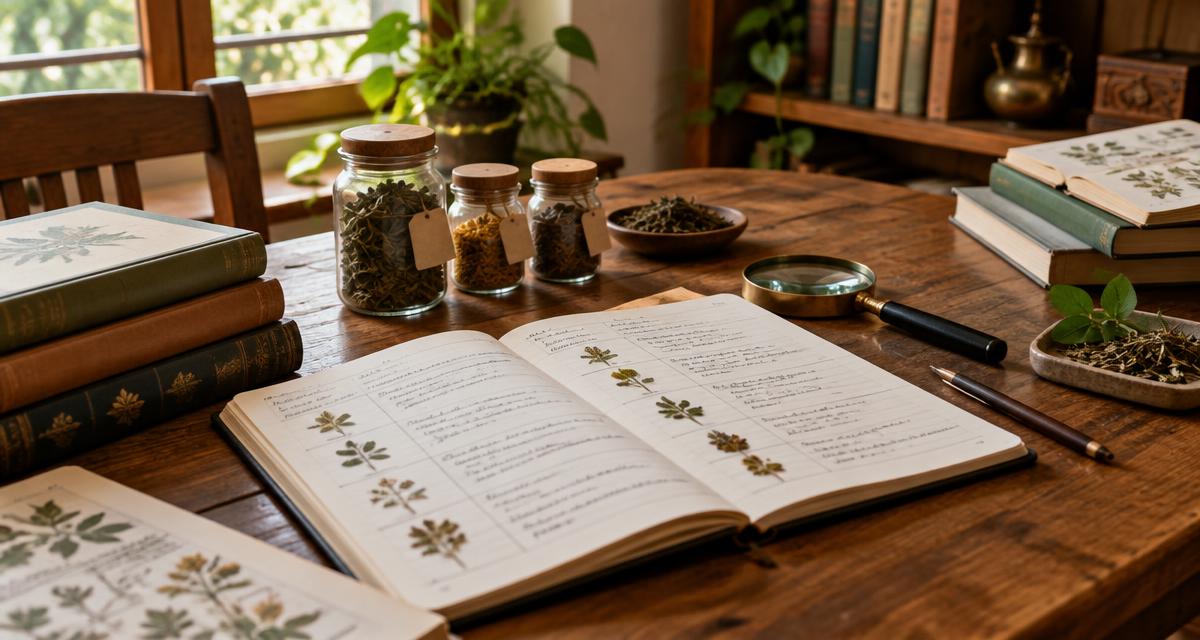
How We Evaluate a Traditional Claim
A household practice can be culturally meaningful without being medically proven. Here is the editorial test we use before presenting either kind of claim.
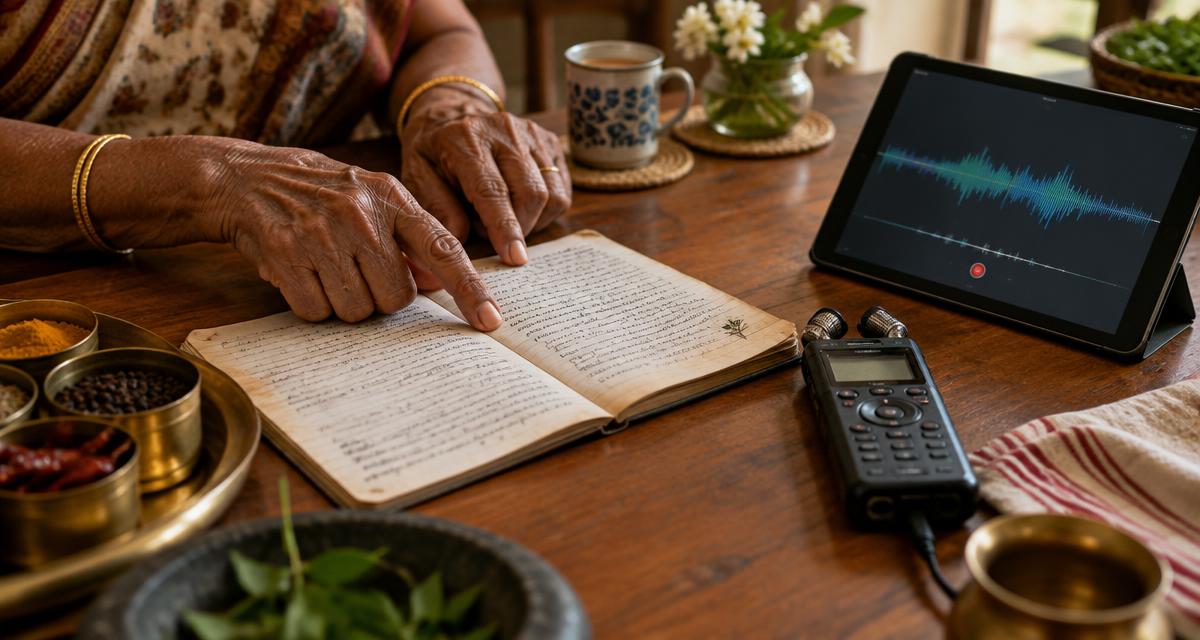
What Gets Lost in Translation
When spoken household knowledge becomes a transcript, database or search result, clarity grows—but tone, variation and practical judgment can disappear.
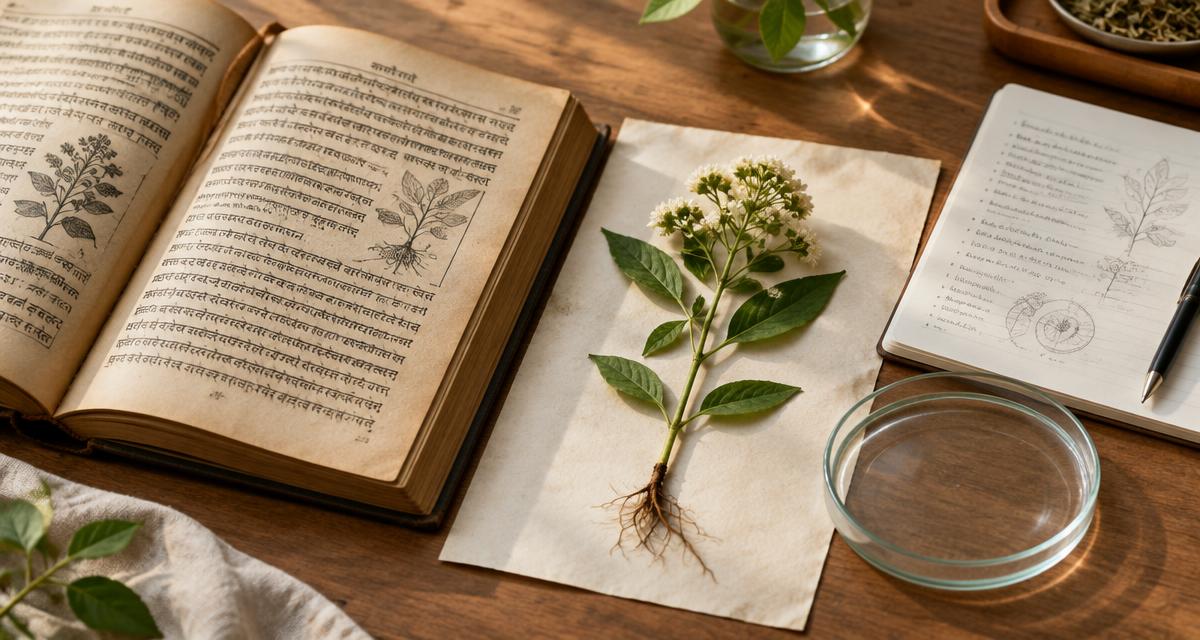
Reading Traditional Terms Alongside Modern Evidence
Traditional vocabularies and biomedical research may observe the same person through different frameworks. Translation should not pretend they are identical.
Continue exploring
Related on The Wisdom Jar
Ingredient
Turmeric
A warm, golden rhizome treasured for centuries as a kitchen healer for inflammation, immunity, and skin glow.
Read moreIngredient
Ginger
A pungent, warming root used worldwide for nausea, digestion, and respiratory comfort.
Read moreRemedy
Golden Milk for Winter Immunity
A warm, soothing nightly drink of turmeric, milk, and pepper to support immunity and rest.
Read moreRemedy
Ginger-Tulsi Decoction for Cough & Cold
A simple kitchen kadha that soothes scratchy throats and clears mild congestion.
Read moreDaily Wellness
Warm Water on Waking (Ushapan)
A simple, ancient cue that wakes digestion and gently flushes the system.
Read moreDaily Wellness
Tongue Scraping
Remove the overnight coating in 30 seconds — taste, breath and digestion improve.
Read more