Editorial Stories
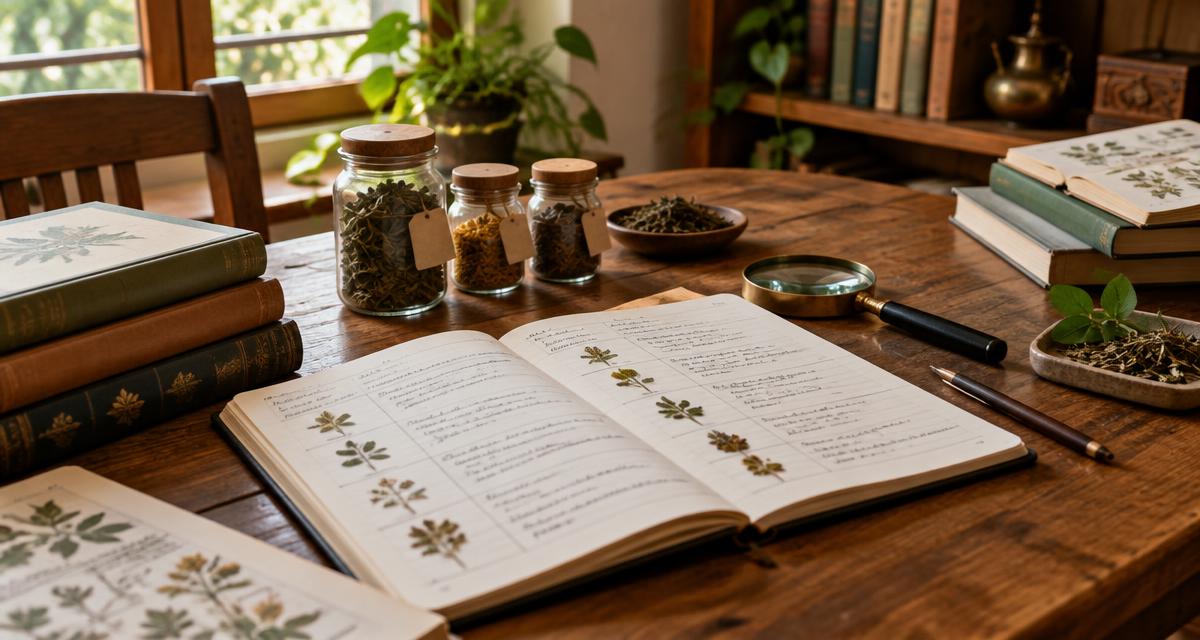
How We Evaluate a Traditional Claim
A household practice can be culturally meaningful without being medically proven. Here is the editorial test we use before presenting either kind of claim.
What should happen when a familiar household claim arrives at an editorial desk? The first task is not to prove or dismiss it. It is to identify exactly what is being claimed: a food custom, a comfort practice, a historical belief, or a medical effect. Those categories require different language and different evidence.
We then ask where the claim comes from. A named text, public institution, research paper and family memory are not interchangeable sources. Repetition across websites is not independent confirmation, and a long history of use establishes cultural continuity—not clinical effectiveness.
For a health claim, the details matter: which ingredient or preparation was studied, in whom, compared with what, and for which outcome? Laboratory findings, animal studies, observational research and clinical trials answer different questions. Evidence about an isolated compound cannot automatically be transferred to a kitchen preparation.
The editorial decision is therefore layered. Cultural context can be stated as culture; preliminary evidence can be described with its limits; unsupported certainty is removed. Relevant contraindications, interactions and care boundaries remain public. Recipes and ingredient profiles are linked rather than reproduced.
The useful conclusion is not that tradition and research must agree. It is that readers deserve to know which kind of knowledge they are reading, how confident the source allows us to be, and when a household practice is not the right response. Household self-care is for minor, short-lived discomforts—not diagnosis or delay. Severe, persistent or worsening symptoms, breathing difficulty, fainting, confusion, significant bleeding, dehydration, pregnancy concerns, or symptoms in an infant need prompt professional advice. Medicines should not be stopped or combined with herbs without a qualified clinician or pharmacist.
More from Editorial Stories
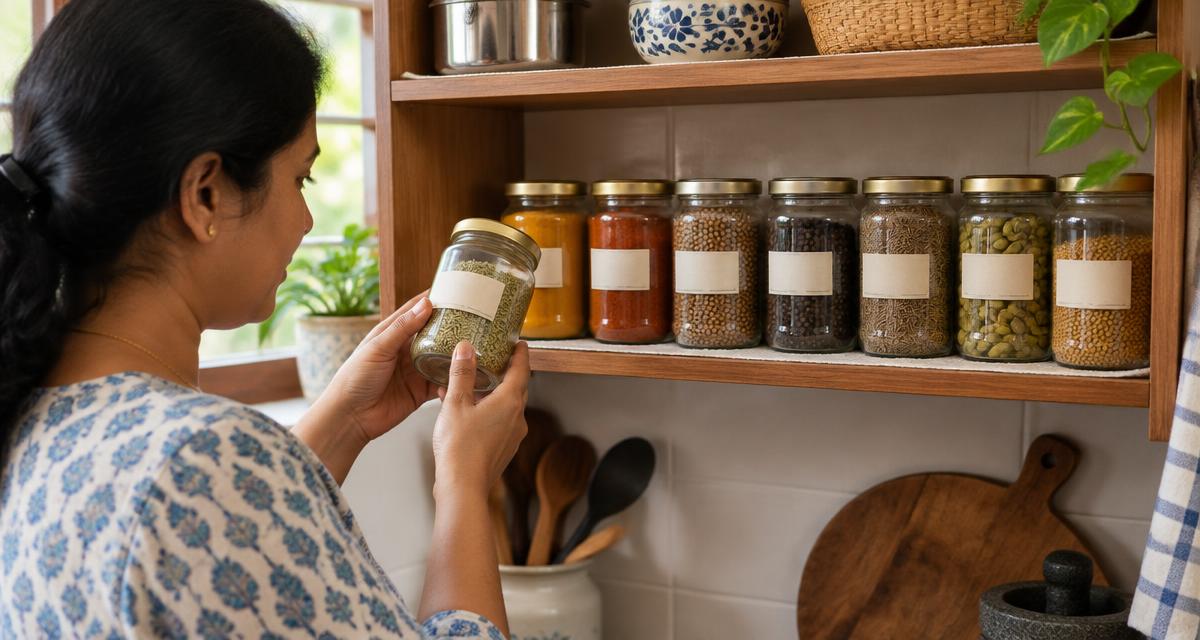
What Belongs on a Working Kitchen Shelf?
A useful household shelf is not a universal remedy list. It reflects ordinary cooking, local access, careful storage and clear limits.
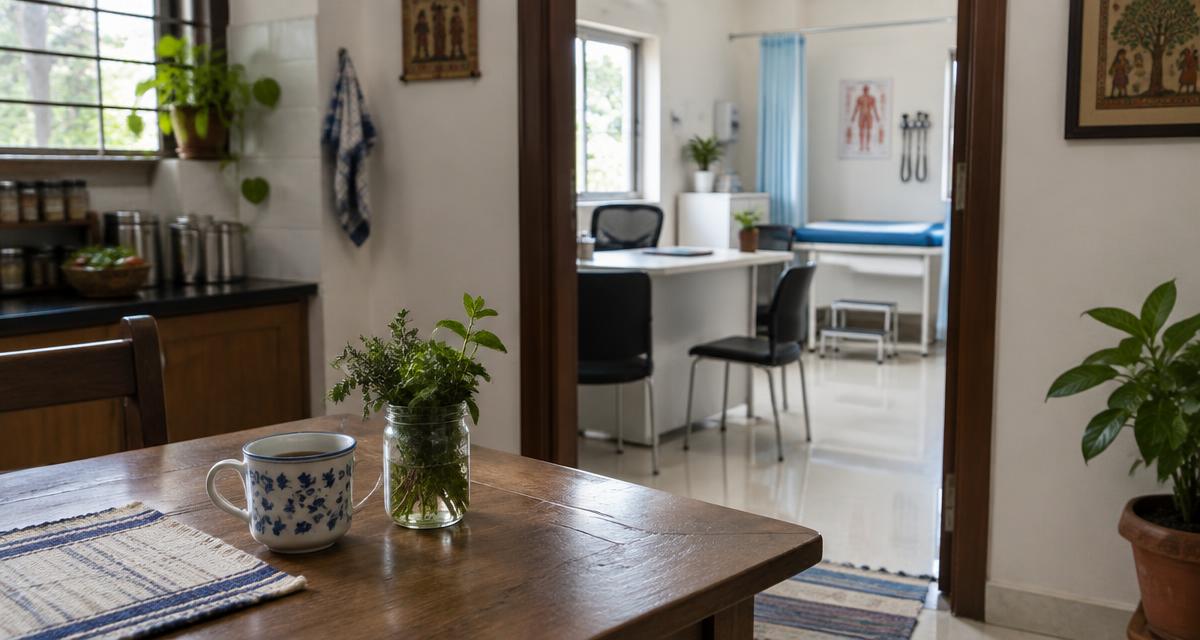
Where Household Care Ends
The most responsible household tradition includes a boundary: knowing when comfort and observation must give way to professional care.
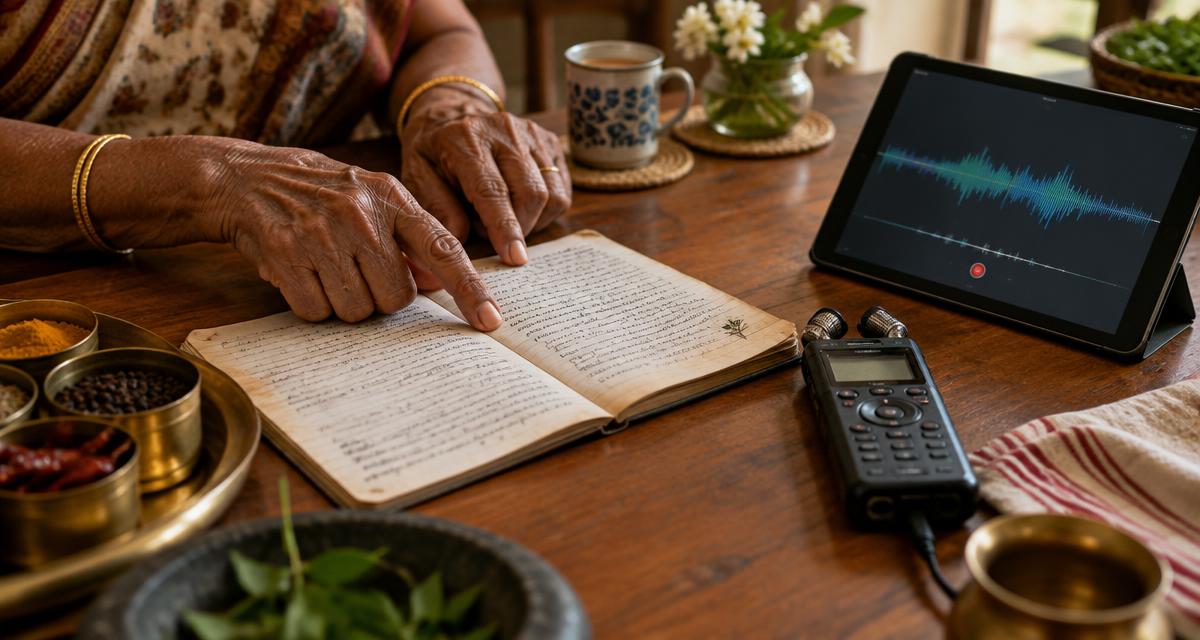
What Gets Lost in Translation
When spoken household knowledge becomes a transcript, database or search result, clarity grows—but tone, variation and practical judgment can disappear.
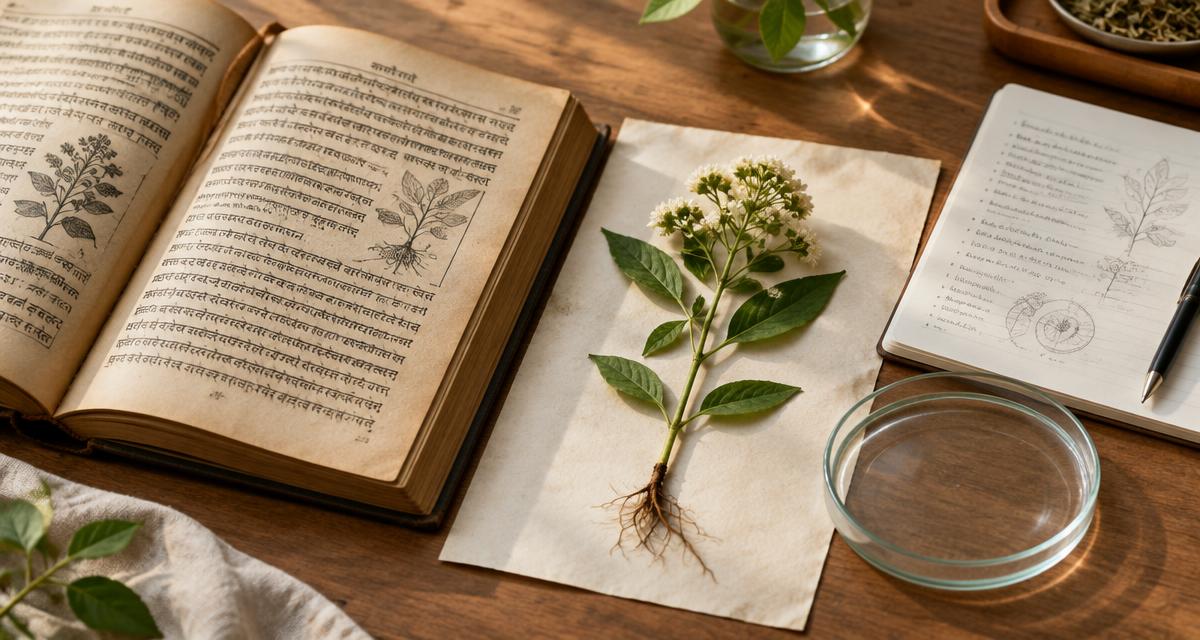
Reading Traditional Terms Alongside Modern Evidence
Traditional vocabularies and biomedical research may observe the same person through different frameworks. Translation should not pretend they are identical.
Continue exploring
Related on The Wisdom Jar
Ingredient
Turmeric
A warm, golden rhizome treasured for centuries as a kitchen healer for inflammation, immunity, and skin glow.
Read moreIngredient
Ginger
A pungent, warming root used worldwide for nausea, digestion, and respiratory comfort.
Read moreRemedy
Golden Milk for Winter Immunity
A warm, soothing nightly drink of turmeric, milk, and pepper to support immunity and rest.
Read moreRemedy
Ginger-Tulsi Decoction for Cough & Cold
A simple kitchen kadha that soothes scratchy throats and clears mild congestion.
Read moreDaily Wellness
Warm Water on Waking (Ushapan)
A simple, ancient cue that wakes digestion and gently flushes the system.
Read moreDaily Wellness
Tongue Scraping
Remove the overnight coating in 30 seconds — taste, breath and digestion improve.
Read more