Ancient Roots
Folk & Oral Knowledge Traditions
Knowledge carried through memory, work, landscape and family instruction—often without a named text or single system.
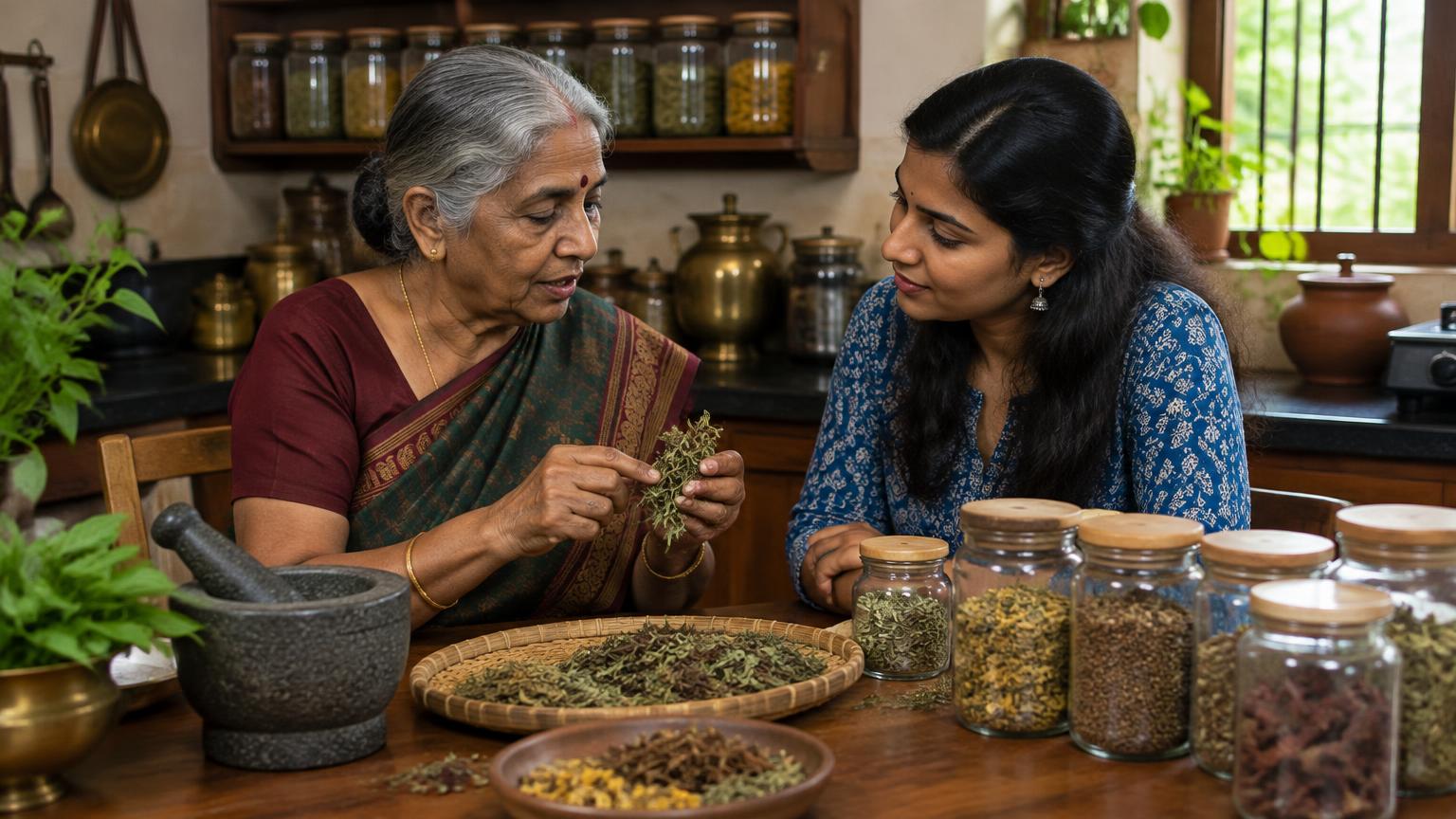
A large part of India's health knowledge never belonged to a classical manuscript. It travelled through speech and repeated work: a midwife teaching an apprentice, a pastoral community recognising local plants, a grandmother explaining food for a season, or a village specialist remembering what grew after the rains.
Oral does not mean unchanged. Knowledge shifted with migration, crop availability, language, caste, occupation, ecology and family experience. Two neighbouring communities could use different names or hold different cautions around the same plant. That variation is historical evidence, not a flaw to be tidied away.
Much household knowledge was carried by women whose expertise rarely appeared under their own names in formal archives. Songs, proverbs, food sequences, storage habits and demonstrations could all hold instruction. The person, timing and social setting were part of how the knowledge made sense.
Recording oral knowledge requires care. Cultural importance does not prove medical effectiveness, and publication can detach a practice from its safeguards or community ownership. Strong herbs, pregnancy, children, persistent symptoms and specialised procedures still require appropriate professional guidance.
More from Ancient Roots
The Five-Thousand-Year Lineage
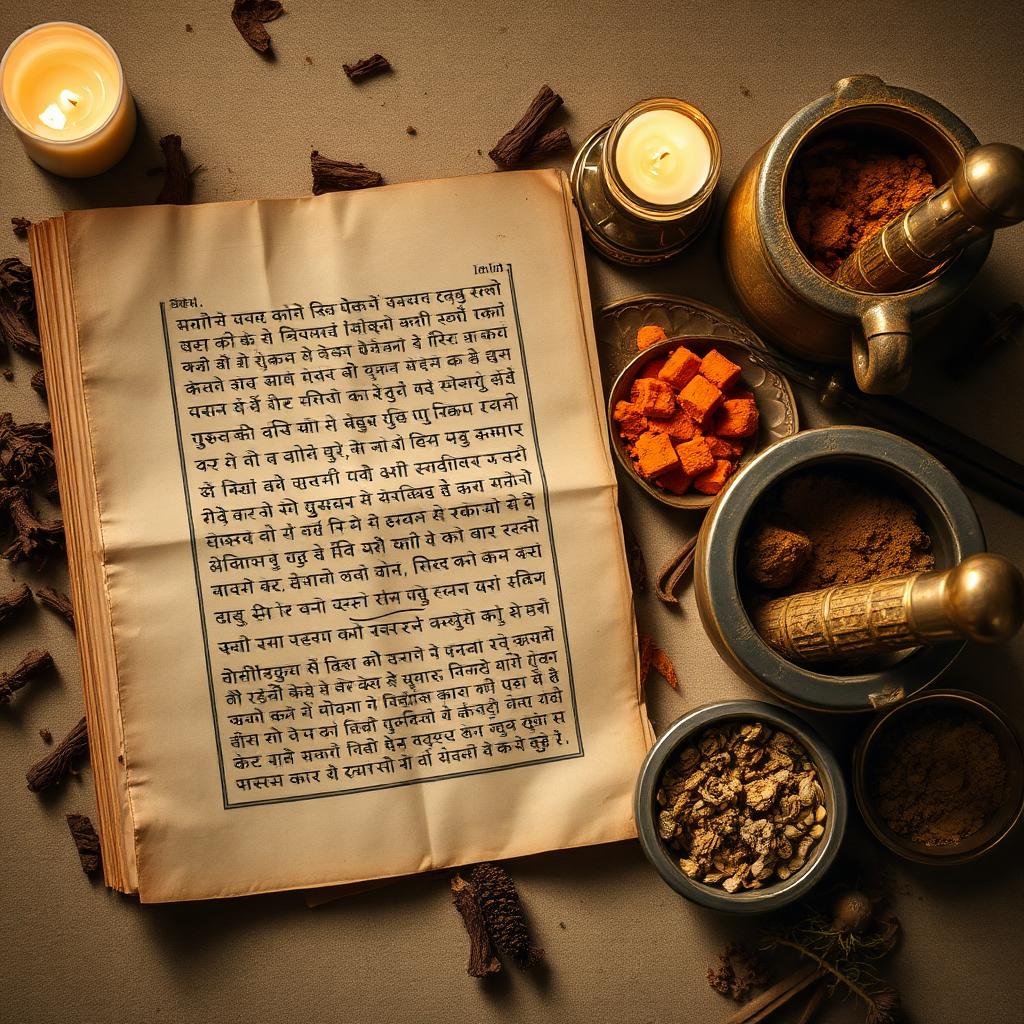
From the Atharva Veda to the Charaka Samhita — how India's healing knowledge was compiled, taught and carried for five millennia.
Why the Classics Still Read Modern
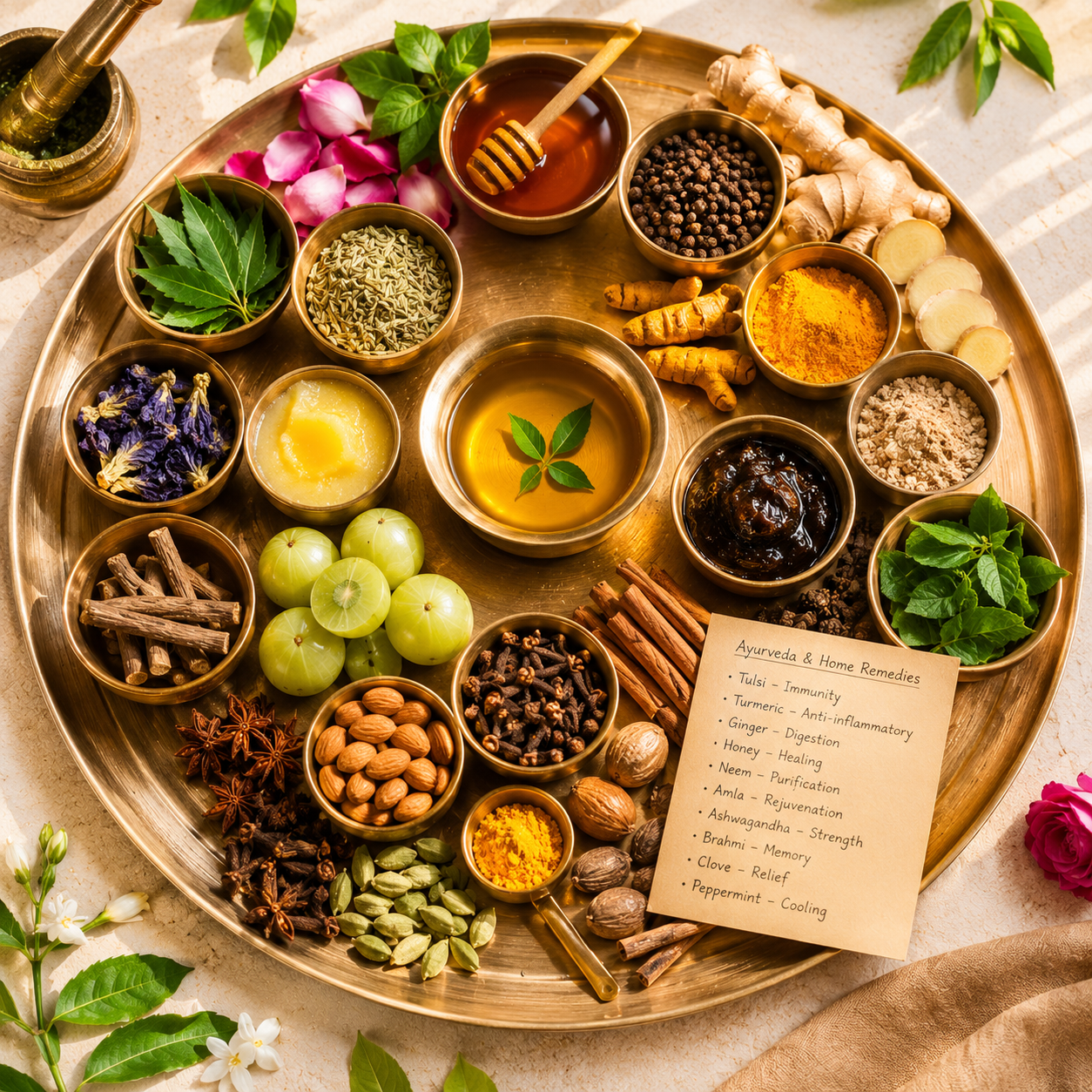
Curcumin, fenugreek, the microbiome — why centuries of patient observation still read like a method rather than a relic.
How Ancient Manuscripts Survived
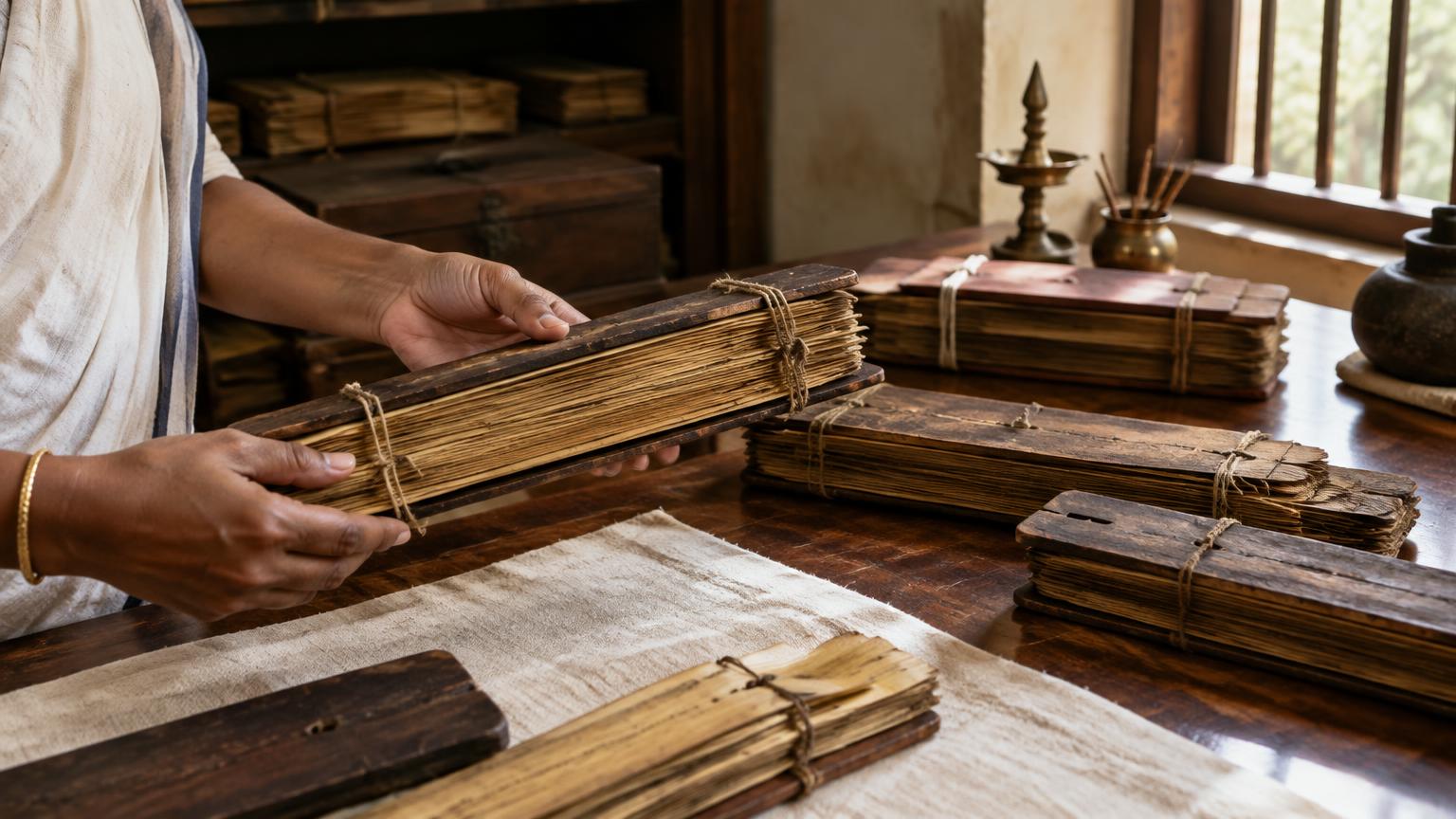
Palm leaf, birch bark, paper and patient recopying — the material work that carried medical texts across centuries.
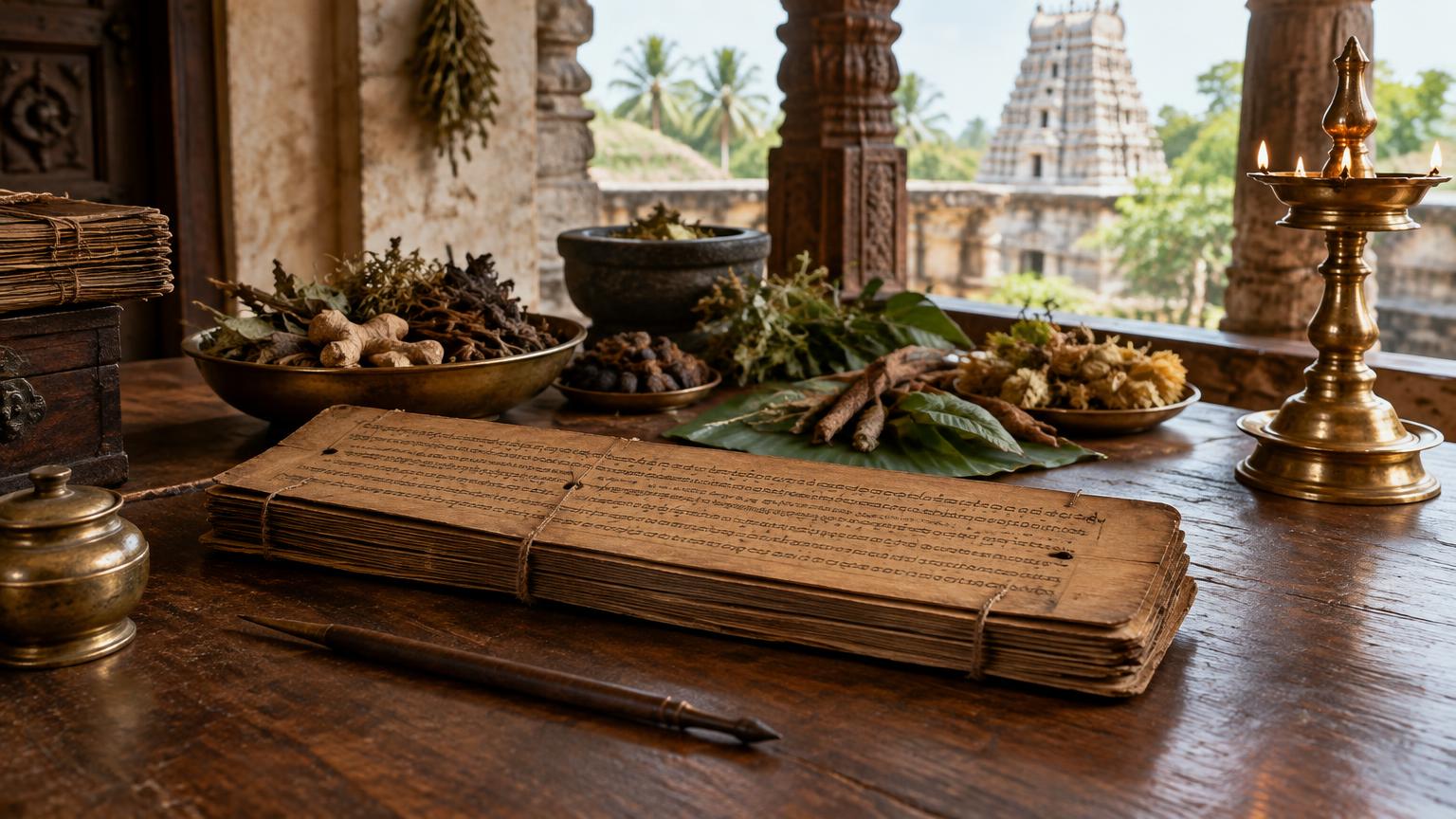
Siddha: Tamil Textual Roots
A distinct Tamil medical and philosophical tradition carried through palm-leaf texts, verse, commentary and practitioner lineages.
Continue exploring
Related on The Wisdom Jar
Ingredient
Turmeric
A warm, golden rhizome treasured for centuries as a kitchen healer for inflammation, immunity, and skin glow.
Read moreIngredient
Ginger
A pungent, warming root used worldwide for nausea, digestion, and respiratory comfort.
Read moreRemedy
Golden Milk for Winter Immunity
A warm, soothing nightly drink of turmeric, milk, and pepper to support immunity and rest.
Read moreRemedy
Ginger-Tulsi Decoction for Cough & Cold
A simple kitchen kadha that soothes scratchy throats and clears mild congestion.
Read moreDaily Wellness
Warm Water on Waking (Ushapan)
A simple, ancient cue that wakes digestion and gently flushes the system.
Read moreDaily Wellness
Tongue Scraping
Remove the overnight coating in 30 seconds — taste, breath and digestion improve.
Read more