Editorial Stories
Pre-Science, Not Anti-Science
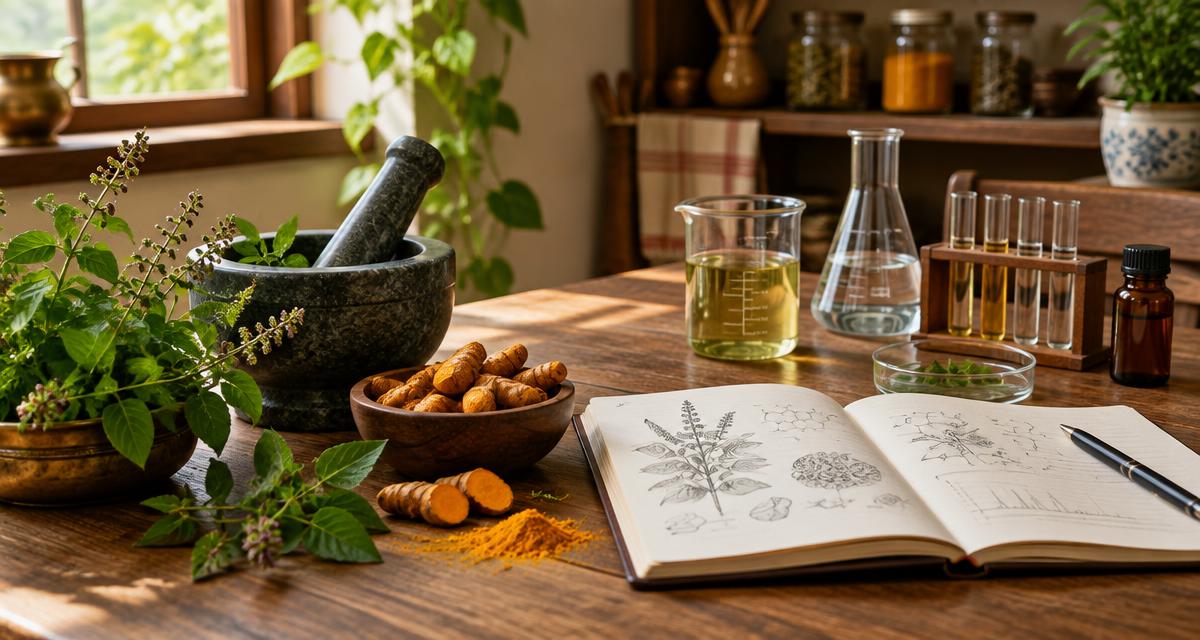
Traditional observation and modern research can be read together without pretending they use the same methods or reach the same conclusions.
How should we read knowledge formed before modern clinical science? “Pre-science” describes historical sequence, not automatic truth or error. Households and practitioners observed patterns, compared outcomes and transmitted what seemed useful, but they did not have today's trial designs, laboratory controls or diagnostic tools.
That history deserves neither ridicule nor blanket validation. Repeated use can identify a worthwhile research question and explain why a practice matters culturally. It cannot by itself establish effectiveness, safety for everyone or a biological mechanism.
Modern science is not a single verdict either. Evidence develops through different methods, replication, disagreement and revision. A laboratory signal is not a clinical result; a small trial is not a universal recommendation; lack of research is not proof of benefit or proof of harm.
The productive meeting point is specificity. Name the traditional observation accurately, name the preparation studied, report the strength and limits of the evidence, and keep professional-care boundaries clear. Do not retrofit modern terminology onto an older framework simply to make it sound validated.
Respect here means allowing both histories to remain visible. Traditional knowledge can guide questions and preserve cultural understanding; modern clinical evidence should guide modern medical claims. When you need a diagnosis or treatment decision, see a qualified professional. Household self-care is for minor, short-lived discomforts—not diagnosis or delay. Severe, persistent or worsening symptoms, breathing difficulty, fainting, confusion, significant bleeding, dehydration, pregnancy concerns, or symptoms in an infant need prompt professional advice. Medicines should not be stopped or combined with herbs without a qualified clinician or pharmacist.
More from Editorial Stories
What Belongs on a Working Kitchen Shelf?
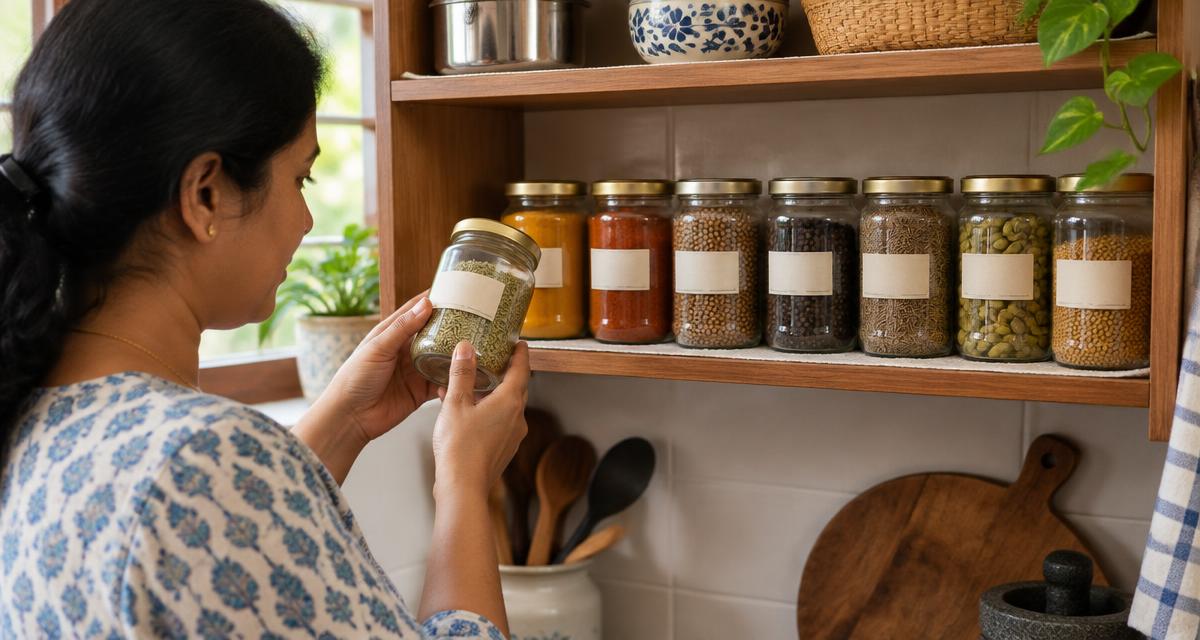
A useful household shelf is not a universal remedy list. It reflects ordinary cooking, local access, careful storage and clear limits.
How We Evaluate a Traditional Claim
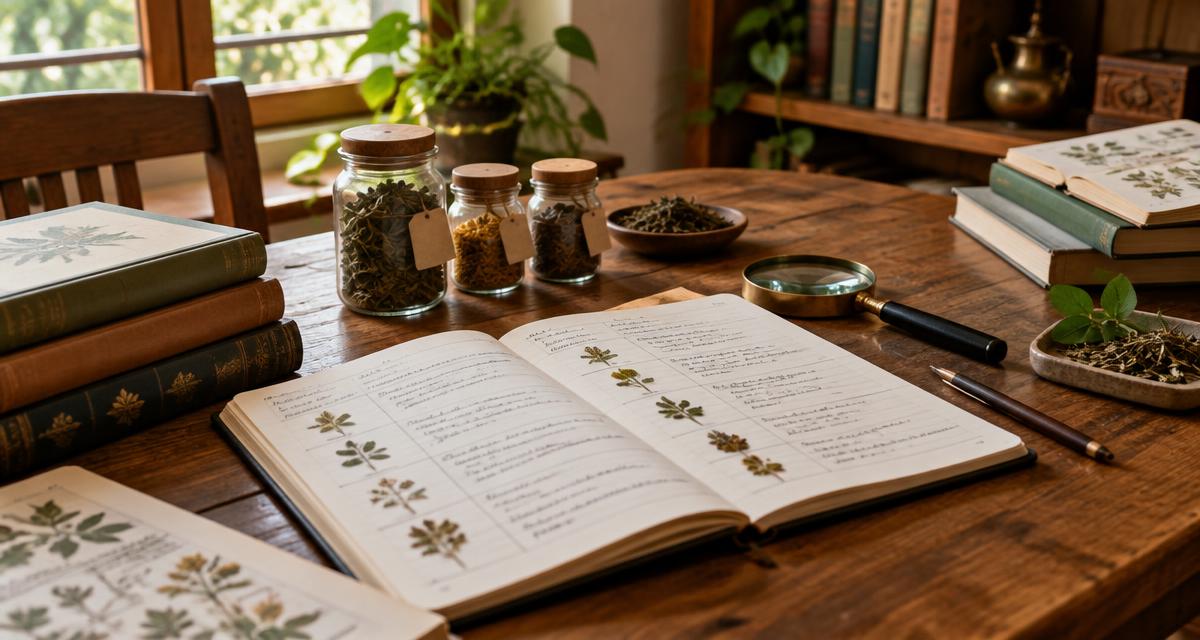
A household practice can be culturally meaningful without being medically proven. Here is the editorial test we use before presenting either kind of claim.
Where Household Care Ends
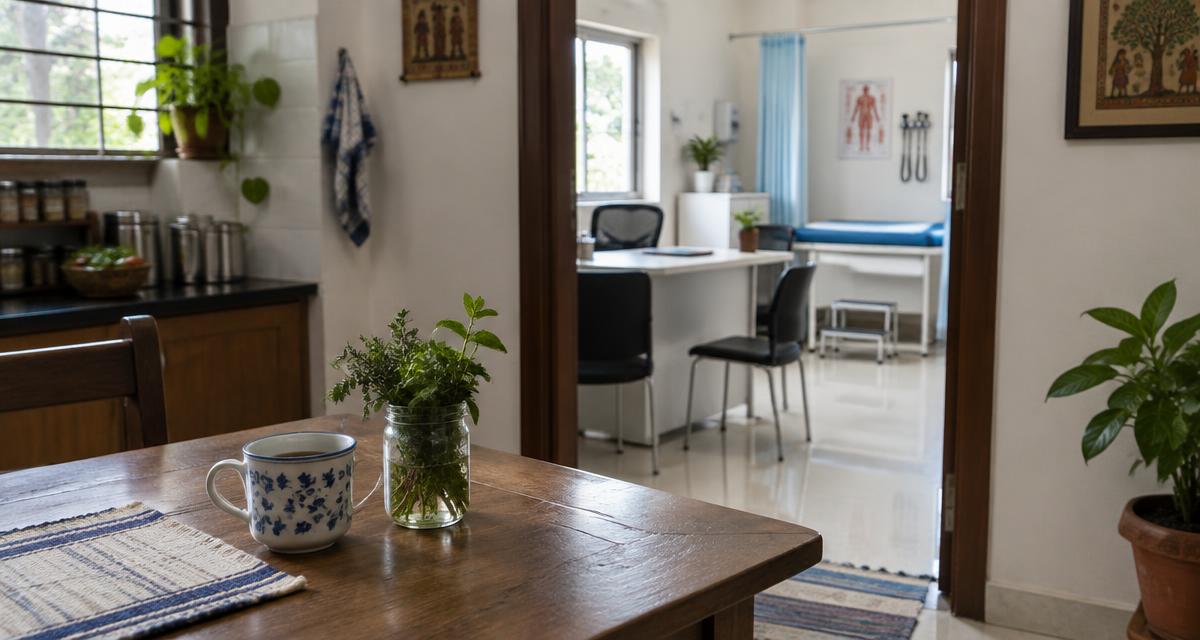
The most responsible household tradition includes a boundary: knowing when comfort and observation must give way to professional care.
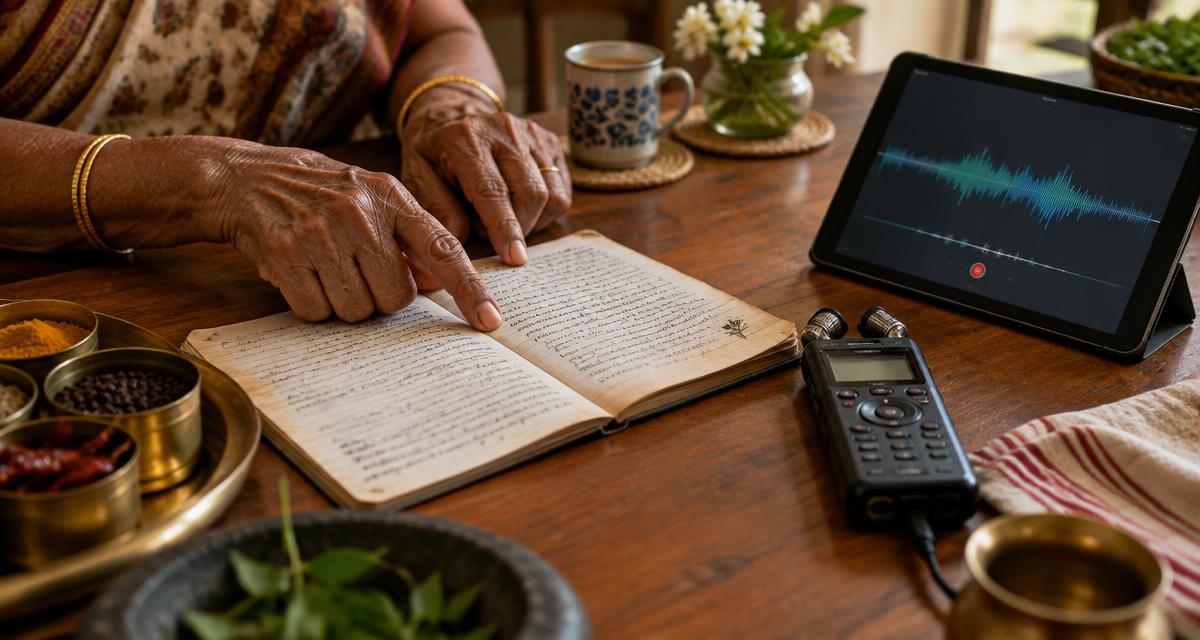
What Gets Lost in Translation
When spoken household knowledge becomes a transcript, database or search result, clarity grows—but tone, variation and practical judgment can disappear.
Continue exploring
Related on The Wisdom Jar
Ingredient
Turmeric
A warm, golden rhizome treasured for centuries as a kitchen healer for inflammation, immunity, and skin glow.
Read moreIngredient
Ginger
A pungent, warming root used worldwide for nausea, digestion, and respiratory comfort.
Read moreRemedy
Golden Milk for Winter Immunity
A warm, soothing nightly drink of turmeric, milk, and pepper to support immunity and rest.
Read moreRemedy
Ginger-Tulsi Decoction for Cough & Cold
A simple kitchen kadha that soothes scratchy throats and clears mild congestion.
Read moreDaily Wellness
Warm Water on Waking (Ushapan)
A simple, ancient cue that wakes digestion and gently flushes the system.
Read moreDaily Wellness
Tongue Scraping
Remove the overnight coating in 30 seconds — taste, breath and digestion improve.
Read more