Chyawanprash
Sanskrit: Chyavanaprasha
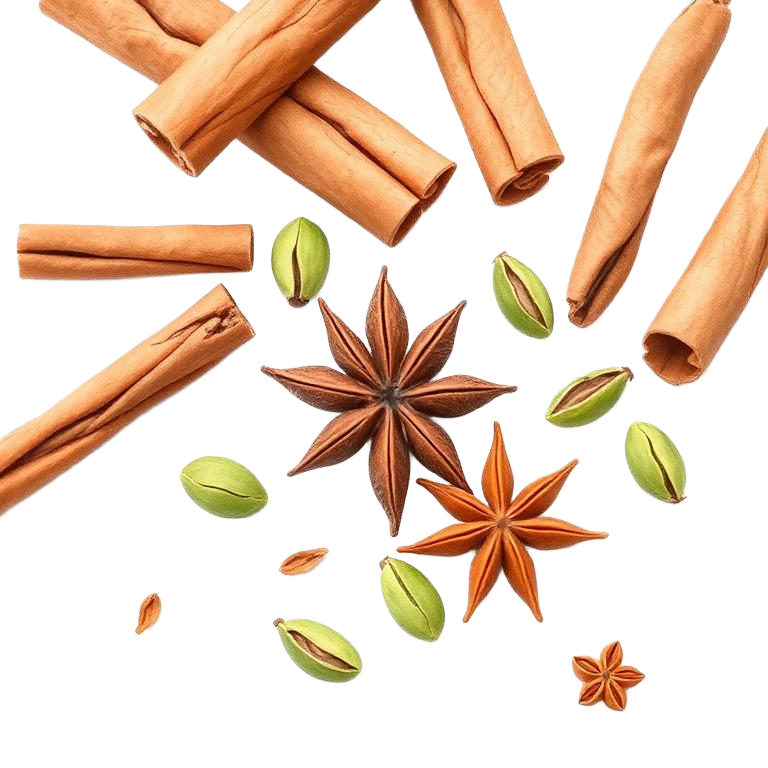
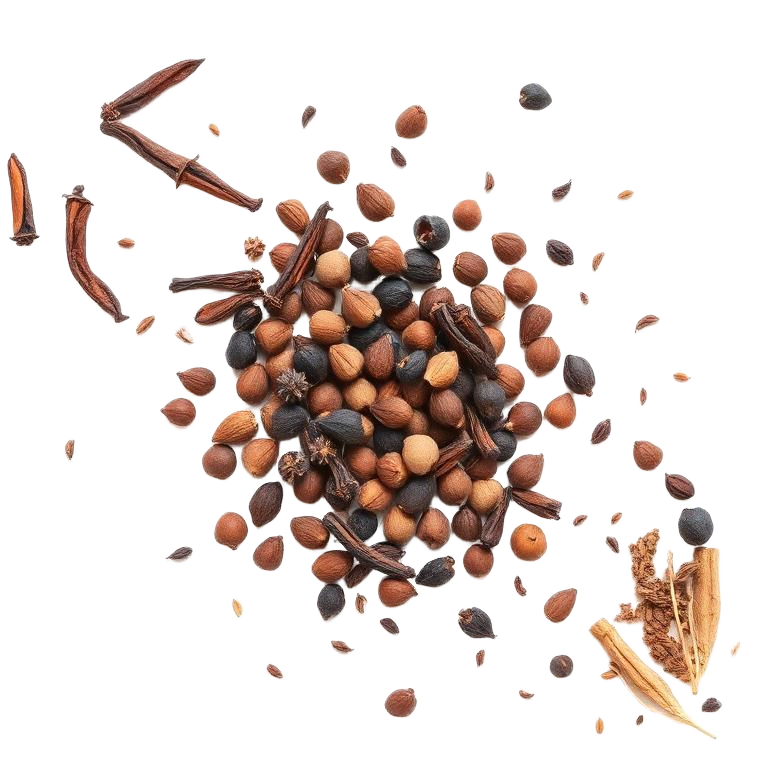
Chyawanprash is a multi-ingredient Ayurvedic herbal preserve, not a single herb: a cooked jam-like paste in which amla is traditionally the central ingredient, processed with a group of supporting herbs and spices, ghee, sesame oil and a sweetening base. Classical recipes list dozens of ingredients, but real commercial composition varies considerably between manufacturers, as do sugar content and ingredient quality. It is a traditional daily food-supplement preparation and should not be described or bought as an immunity cure.
Also known as
Chyavanaprasha
- hindi:
- Chyawanprash
- bengali:
- Chyabanprash
Key components
- Amla fruit as the central ingredient
- A group of supporting classical herbs and spices, varying by manufacturer
- Ghee
- Sesame oil
- A sweetening base, usually sugar or jaggery
- Honey in some traditional recipes
Traditional overview
- Taken traditionally as a small daily spoonful, often in the cooler months
- Classically framed as a rasayana, a nourishing preparation for general strength rather than a treatment
- Traditionally taken with warm milk or warm water at the start of the day
- Amla is the central ingredient, cooked with supporting herbs, ghee, sesame oil and a sweetening base
Common traditional forms
- ready-made herbal preserve (avaleha)
- with warm milk
- with warm water
- sugar-free variants
Wellness tags
- nourishment
- seasonal wellness
- rejuvenation tradition
Body focus
- whole body
- respiratory system
Concerns
- general nourishment and seasonal wellness
What to know before use
This is a sweet, fat-containing preserve, so people with diabetes, those watching weight, and anyone with a dairy or sesame allergy should check the label carefully or choose a suitable variant. It is not an immunity cure, does not prevent infection, and should not replace vaccination or medical care. Use a clean dry spoon and keep the jar closed, since contamination spoils it quickly.
Important cautions
This is a mixed formulation, and ingredients, sugar content and quality vary considerably between manufacturers, so always read the label. It is not an immunity cure and it is not suitable for everyone, particularly where sugar intake matters.
Who should avoid it
- People with diabetes or blood-sugar concerns, without medical advice
- People with acidity or reflux, as some versions are warming
- Anyone allergic to any listed ingredient
- People with dairy sensitivity, as most versions contain ghee
Medicine interactions
- Sugar content can affect diabetes medicines
- Check the ingredient list against any medicine you take regularly
PregnancyCheck with your doctor or practitioner before use in pregnancy, as formulations differ.
ChildrenChild-specific versions exist; check the label and ask a paediatrician or practitioner.
Quality and buying guidance
Read the complete ingredient label rather than the front of the jar: check the sugar or jaggery content per serving, the presence of honey or ghee if you avoid them, added preservatives, and any allergens such as dairy, sesame or nuts. Confirm the Ayurvedic manufacturing licence number, batch number and expiry date, and prefer established manufacturers whose amla content and herb list are clearly stated. Composition genuinely varies between brands, so two jars labelled Chyawanprash are not the same product.
What does the evidence say?
This entry rests on traditional and household use recorded over generations, not on clinical trials. Treat it as cultural and educational information.
For everyday, non-urgent self-care only. Seek medical advice for severe, persistent or worsening symptoms.